
Kayaking in Palau's Rock Islands: A Paddler's Guide
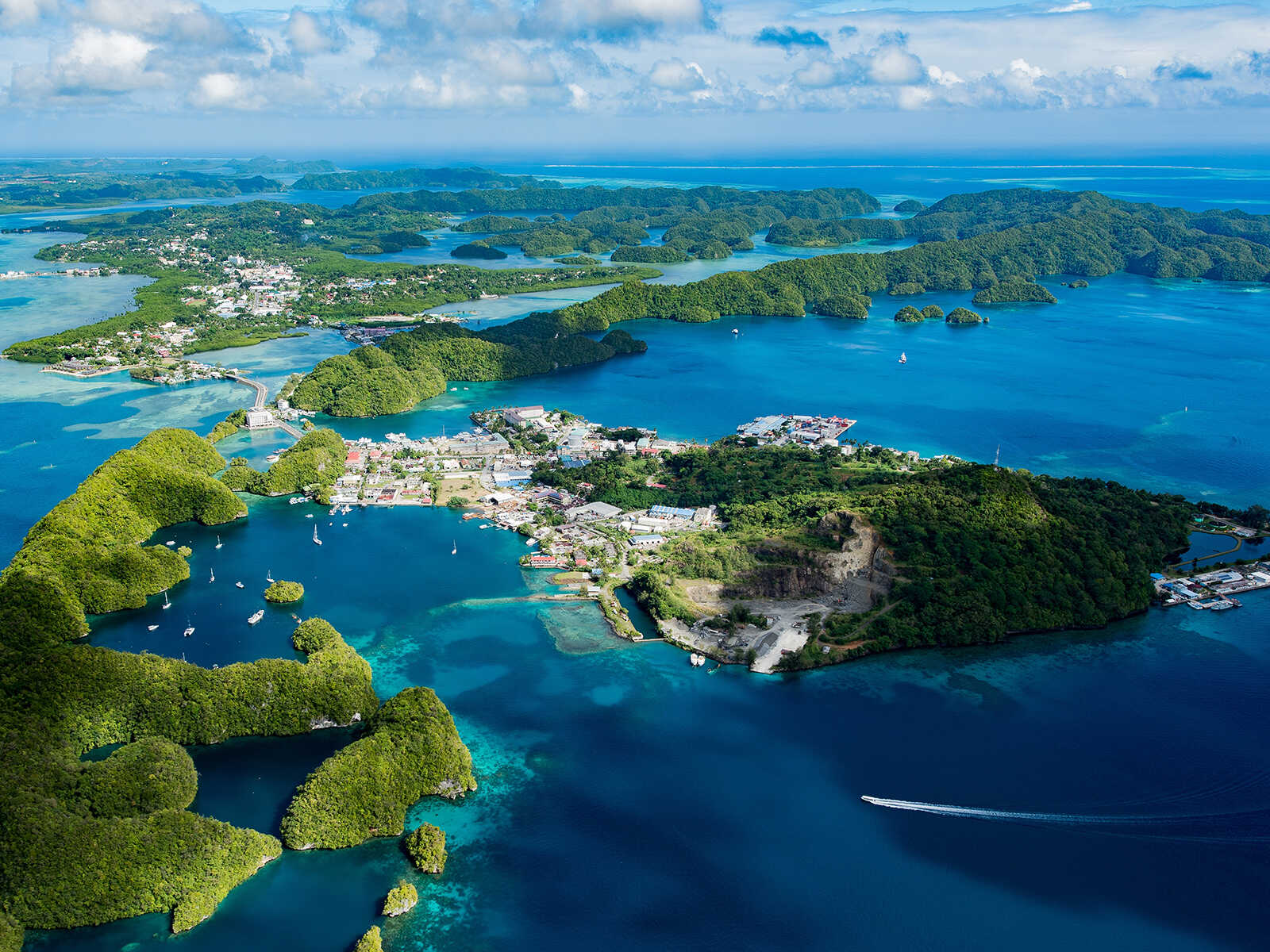
Embark on an unforgettable journey through the iconic Rock Islands of Palau, a UNESCO World Heritage site renowned for its emerald karsts and pristine waters. Kayaking offers an intimate and unparalleled way to explore this natural wonder, allowing paddlers to navigate hidden lagoons, ancient caves, and vibrant coral gardens at their own pace.
An Introduction to Palau's Rock Islands
The Rock Islands, known locally as Chelbacheb, are a spectacular archipelago of over 300 limestone and coral islands, largely uninhabited and rising majestically from the Pacific Ocean. Their mushroom-like shapes, sculpted by millennia of erosion, create a labyrinth of sheltered channels, turquoise lagoons, and secret beaches. This unique topography, combined with exceptional marine biodiversity, makes it a dream destination for kayakers seeking adventure and tranquility.
Why Kayak in Palau?
Kayaking in Palau offers a distinctive blend of adventure and serene exploration:
- Unrivaled Scenery:Paddle through breathtaking landscapes of lush green islands, dramatic cliffs, and crystal-clear waters that reflect the vibrant jungle canopy.
- Intimate Exploration:Access secluded spots unreachable by larger boats, discovering hidden coves, marine lakes, and limestone caves.
- Rich Marine Life:Encounter a kaleidoscope of marine species, from colorful reef fish and giant clams to rays and reef sharks, often visible directly beneath your kayak.
- Environmental Connection:Experience the pristine environment up close, fostering a deeper appreciation for Palau's conservation efforts.
- Peace and Quiet:Enjoy the tranquility of nature, with only the sound of your paddle breaking the surface, far from the crowds.
Planning Your Kayaking Adventure
Preparation is key to a rewarding kayaking experience in Palau.
Permits and Regulations
All visitors to the Rock Islands Southern Lagoon (RISL) must obtain a permit. These permits contribute directly to the conservation and management of this delicate ecosystem. Ensure your tour operator handles this, or inquire at the relevant government office if planning a self-guided trip.
Fact:The Rock Islands Southern Lagoon (RISL) was inscribed as a UNESCO World Heritage site in 2012, recognized for its outstanding universal value in both natural and cultural criteria.
Best Time to Visit
Palau enjoys a tropical climate year-round, but generally, the drier season from November to April offers calmer seas and less rain. The wet season (May to October) can bring more precipitation and choppier waters, though kayaking is still very feasible as many areas are sheltered.
Choosing Your Kayak
Most operators provide sit-on-top kayaks, which are stable, easy to re-enter if capsized, and perfect for snorkeling stops. Tandem (two-person) kayaks are popular, but single kayaks are also available for independent paddlers. Inflatable kayaks are sometimes used for their portability but may be less durable for rugged exploration.
Guided Tours vs. Self-Guided
For most visitors, especially first-timers, a guided tour is highly recommended. Local guides possess invaluable knowledge of the Rock Islands, including safe routes, weather patterns, and the best spots for wildlife viewing and snorkeling. They also ensure compliance with local regulations.
Experienced kayakers with local knowledge and appropriate gear might consider self-guided trips, typically organized through licensed outfitters based in Koror Island, who can arrange permits and drop-off/pickup services. This requires significant planning and adherence to safety protocols.
Essential Gear and What to Pack
To ensure a comfortable and safe kayaking trip, pack wisely:
- Sun Protection:High SPF reef-safe sunscreen, wide-brimmed hat, sunglasses, long-sleeved rash guard, and light pants are crucial under the equatorial sun.
- Hydration:Bring plenty of water. Dehydration can occur quickly.
- Dry Bag:Essential for protecting cameras, phones, and other valuables from water.
- Footwear:Water shoes or sandals are ideal for getting in and out of the kayak and walking on beaches or rocky areas.
- Snorkel Gear:Mask, snorkel, and fins are a must-have for exploring the vibrant underwater world.
- Light Rain Jacket:For unexpected showers.
- Basic First Aid Kit:For minor cuts or scrapes.
- Camera:Waterproof camera or phone case to capture the stunning scenery.
Recommended Kayaking Routes and Spots
Around Koror
Many day tours depart from Koror Island, offering access to the central Rock Islands. Popular destinations include:
- Milky Way:A unique lagoon famous for its white volcanic mud, believed to have rejuvenating properties. Kayak there, then swim and apply the mud for a natural spa experience.
- Jellyfish Lake:While swimming with the golden jellyfish is currently suspended for their conservation, some tours may paddle near its entrance or offer alternative marine lakes. Always check current regulations.
- Hidden Lagoons and Beaches:Explore countless small, unnamed lagoons perfect for a quiet paddle and a swim. Your guide will know the best spots.
Southern Lagoon Exploration
Delve deeper into the Chelbacheb archipelago to discover more intricate passages and historical sites:
- Mushroom Rock:A famous rock formation shaped distinctly like a mushroom, offering great photo opportunities.
- Secret Caves and Tunnels:Paddle through limestone caves, some with stalactites and stalagmites, leading to hidden marine lakes or secluded coves.
- Ngkesill Passage:A popular channel for drift snorkeling, where you can tie your kayak and let the current carry you over stunning coral gardens.
Mangrove Channels
Beyond the open lagoons, Palau's extensive mangrove forests offer a different kind of kayaking experience. These intricate waterways are vital nurseries for marine life and home to unique bird species. Paddling through the calm, shaded tunnels of mangroves provides a serene and educational journey.
Safety and Environmental Responsibility
As a paddler in Palau, you are an ambassador for conservation.
Marine Life Etiquette
Observe marine life from a respectful distance. Do not touch, chase, or feed any animals. This includes corals, fish, and larger creatures like sharks and rays. Use reef-safe sunscreen to protect the delicate coral ecosystems.
Reef Protection
When anchoring or pulling up your kayak, ensure you do not damage corals. Use designated mooring buoys where available, or pull your kayak onto sandy beaches away from sensitive areas.
Weather and Tides
Always be aware of weather conditions and tidal movements. Strong currents can be present in certain channels, and sudden squalls can occur. Tour guides are experienced in navigating these conditions. If self-guiding, consult local tide charts and weather forecasts.
Emergency Preparedness
Always have a communication device (e.g., VHF radio, satellite phone) and a whistle. Inform someone of your float plan if going self-guided. Carry a basic first aid kit.
Beyond Kayaking: Other Palau Adventures
While kayaking is a highlight, Palau offers a wealth of other activities to complement your trip:
- Snorkeling and Diving:Explore world-class dive sites like the German Channel and Blue Corner, or snorkel vibrant reefs directly from your kayak. Many resorts on Malakal Island offer dive excursions.
- Land Tours:Discover Palau's interior with visits to the Ngardmau Waterfalls or the ancient Stone Monoliths.
- Outer Islands:Consider a trip to the tranquil Kayangel Island, Palau's northernmost atoll, for a glimpse of traditional island life and pristine beaches.
Conclusion
Kayaking in Palau's Rock Islands is more than just a paddle; it's an immersive experience that connects you deeply with one of the world's most spectacular natural environments. With careful planning, respect for nature, and a spirit of adventure, you'll create memories that last a lifetime, discovering the magic of Palau one stroke at a time.