
Is Palau Worth Visiting? An Honest Traveler's Guide
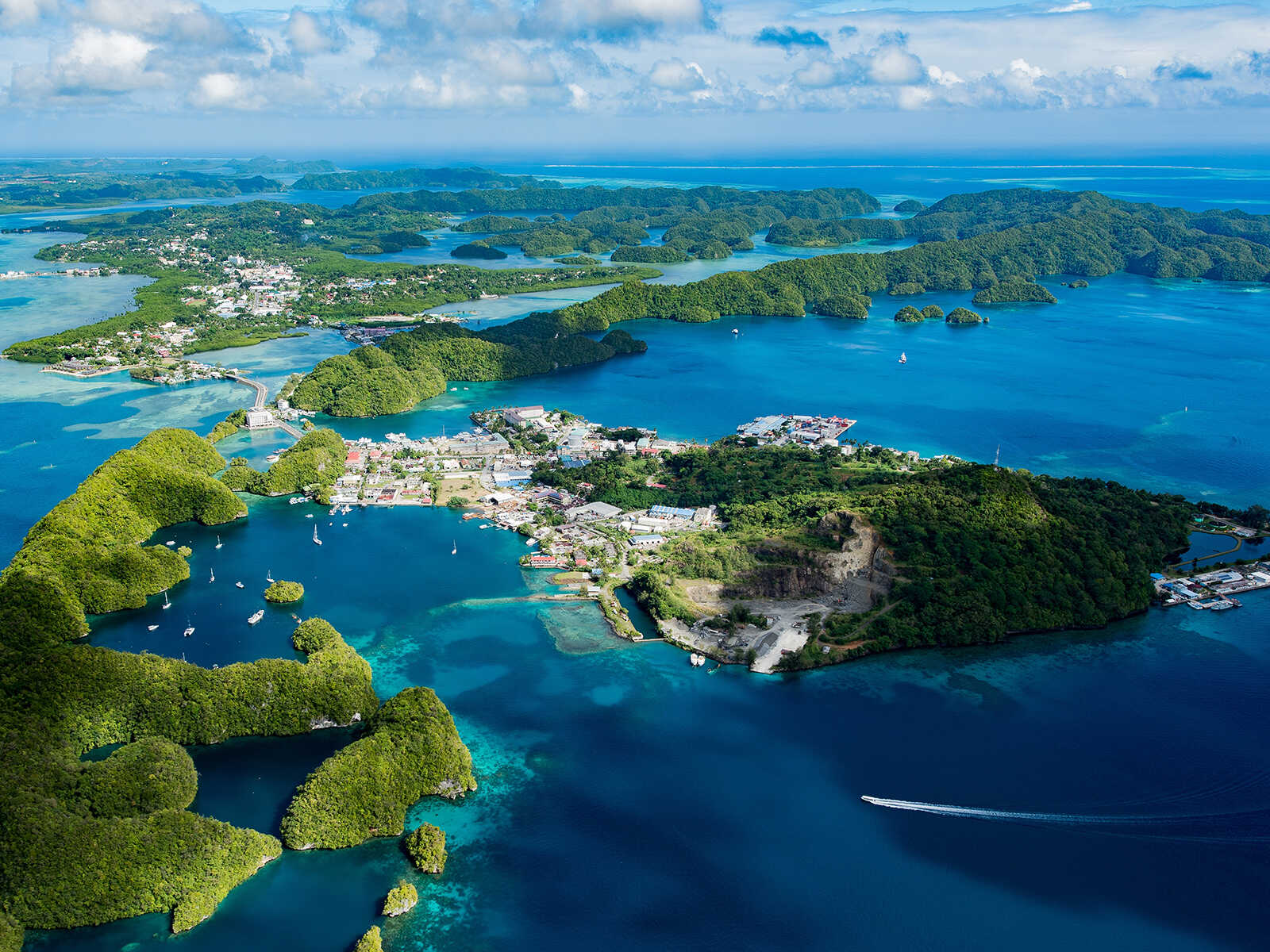
Palau, a secluded archipelago in Micronesia, beckons travelers with its pristine waters, unique marine life, and lush islands. But beyond the postcard-perfect images, what can an honest traveler expect from a visit to this remote paradise? Let's dive in.
Often hailed as one of the world's best diving and snorkeling destinations, Palau is more than just an aquatic playground. It's a nation deeply committed to preserving its natural wonders, offering a truly unique blend of adventure, relaxation, and environmental consciousness. From the iconic Rock Islands to its vibrant cultural heritage, Palau presents an experience unlike any other.
Why Visit Palau? The Irresistible Allure
Unparalleled Marine Biodiversity and Diving
For divers and snorkelers, Palau is nothing short of a dream. Its waters teem with an extraordinary array of marine life, from vibrant coral gardens and schools of pelagic fish to majestic sharks, manta rays, and turtles. The German Channel is renowned for its resident manta rays, while sites around the Chelbacheb(Rock Islands) offer breathtaking wall dives and intricate reef systems. World War II wrecks also lie beneath the surface, creating fascinating artificial reefs and historical dive sites.
Unique Natural Wonders
Palau is home to several natural phenomena found nowhere else. The most famous is undoubtedly Jellyfish Lake, a marine lake where millions of golden jellyfish have evolved to lose their sting, allowing visitors to swim harmlessly among them. Another distinctive experience is the Milky Way, a cove known for its mineral-rich white mud, said to have therapeutic properties, where visitors can enjoy a natural mud bath. Inland, you can explore the lush jungle and discover the impressive Ngardmau Waterfalls, the largest in Micronesia.
Rich History and Culture
Despite its small size, Palau boasts a rich history, evidenced by ancient stone structures and relics from its varied past. Visitors can explore the mysterious Stone Monoliths in Babeldaob, hinting at a complex ancient civilization. The islands also hold significant World War II history, with numerous battle sites and memorials scattered across the landscape, offering a poignant glimpse into the past.
A Commitment to Conservation
Palau stands as a global leader in marine conservation. The entire nation is essentially a marine sanctuary, with strict environmental regulations and the famous Palau Pledge, which requires all visitors to sign an environmental promise upon arrival. This dedication ensures that Palau's pristine environment remains protected for future generations, making it an ideal destination for eco-conscious travelers.
"The Palau Pledge is a world first, requiring all visitors to sign a promise to protect Palau’s pristine environment for its children and future generations."
Considerations Before You Go: An Honest Look
Remoteness and Accessibility
Palau is not a mass-tourism destination, largely due to its remote location in the western Pacific. This means fewer direct flights and potentially longer travel times. While this contributes to its untouched beauty, it also requires more planning and a willingness to embark on a journey.
Environmental Consciousness is Key
Visitors to Palau must embrace a strong sense of environmental responsibility. The Palau Pledge is more than just a signature; it's a commitment to respecting the fragile ecosystem. This means using reef-safe sunscreen, not touching marine life, and minimizing your environmental footprint. If you're not prepared to be an eco-conscious traveler, Palau might not be the right fit.
Infrastructure and Pace of Life
Compared to more developed tourist destinations, Palau's infrastructure is simpler. While there are comfortable accommodations and tour operators, the pace of life is slower, and options for dining and entertainment are more limited, particularly outside of Koror Island and Malakal Island. This is part of its charm for many, offering a genuine escape, but it might not suit those seeking bustling nightlife or extensive shopping.
Top Experiences in Palau: Making the Most of Your Visit
Diving and Snorkeling Paradise
- Blue Corner:A world-famous dive site offering incredible pelagic action, including sharks, barracudas, and snappers.
- Ulong Channel:Known for its strong currents that drift divers past stunning coral gardens and schools of fish.
- Chandelier Cave:An unforgettable cavern dive featuring multiple chambers with stalactites and stalagmites.
- Kayangel Atoll:Experience pristine reefs and a tranquil atmosphere at Kayangel Island, a remote northern atoll perfect for a day trip.
Explore the Rock Islands
A UNESCO World Heritage site, the Rock Islands are a collection of over 400 limestone islands, mostly uninhabited, covered in lush green vegetation. Kayaking, snorkeling, and boat tours through these mushroom-shaped islands are essential. Discover hidden coves, pristine beaches, and vibrant coral reefs tucked away in their sheltered lagoons.
Land-Based Adventures
Beyond the water, explore the main island of Babeldaob. Visit the Ngardmau Waterfalls, hike through dense jungles, or delve into the ancient history at the Stone Monoliths. These offer a different perspective of Palau's natural beauty and cultural depth.
Planning Your Trip: Essential Tips
Best Time to Visit
Palau enjoys a tropical climate year-round. The dry season, from November to April, generally offers calmer seas and more sunshine, making it ideal for diving and water activities. The wet season, from May to October, brings occasional rain showers but can also offer lush landscapes and fewer tourists.
Permits and Fees
All visitors are required to pay the Pristine Paradise Environmental Fee (PPEF), which contributes directly to Palau's conservation efforts. This fee is typically collected at the airport upon departure or included in your flight ticket, so check with your airline. Additional permits may be required for specific attractions like Jellyfish Lake or certain dive sites, usually arranged through tour operators.
Accommodation and Getting Around
Most accommodations are concentrated on Koror Island, ranging from boutique resorts to guesthouses. For getting around, taxis are available in Koror, and many resorts offer shuttle services. For exploring the islands and marine sites, licensed tour operators are the best and often only option.
The Verdict: Is Palau Worth Visiting?
Yes, Palau is absolutely worth visiting for the right kind of traveler. If you are an avid diver or snorkeler, an eco-conscious explorer, or simply someone seeking an unparalleled natural escape far from the crowds, Palau will exceed your expectations. Its commitment to conservation, unique marine ecosystems, and rich cultural heritage offer a profound and memorable travel experience. Be prepared for a journey that emphasizes environmental respect and a slower pace, and you'll discover why Palau is truly a pristine paradise.