
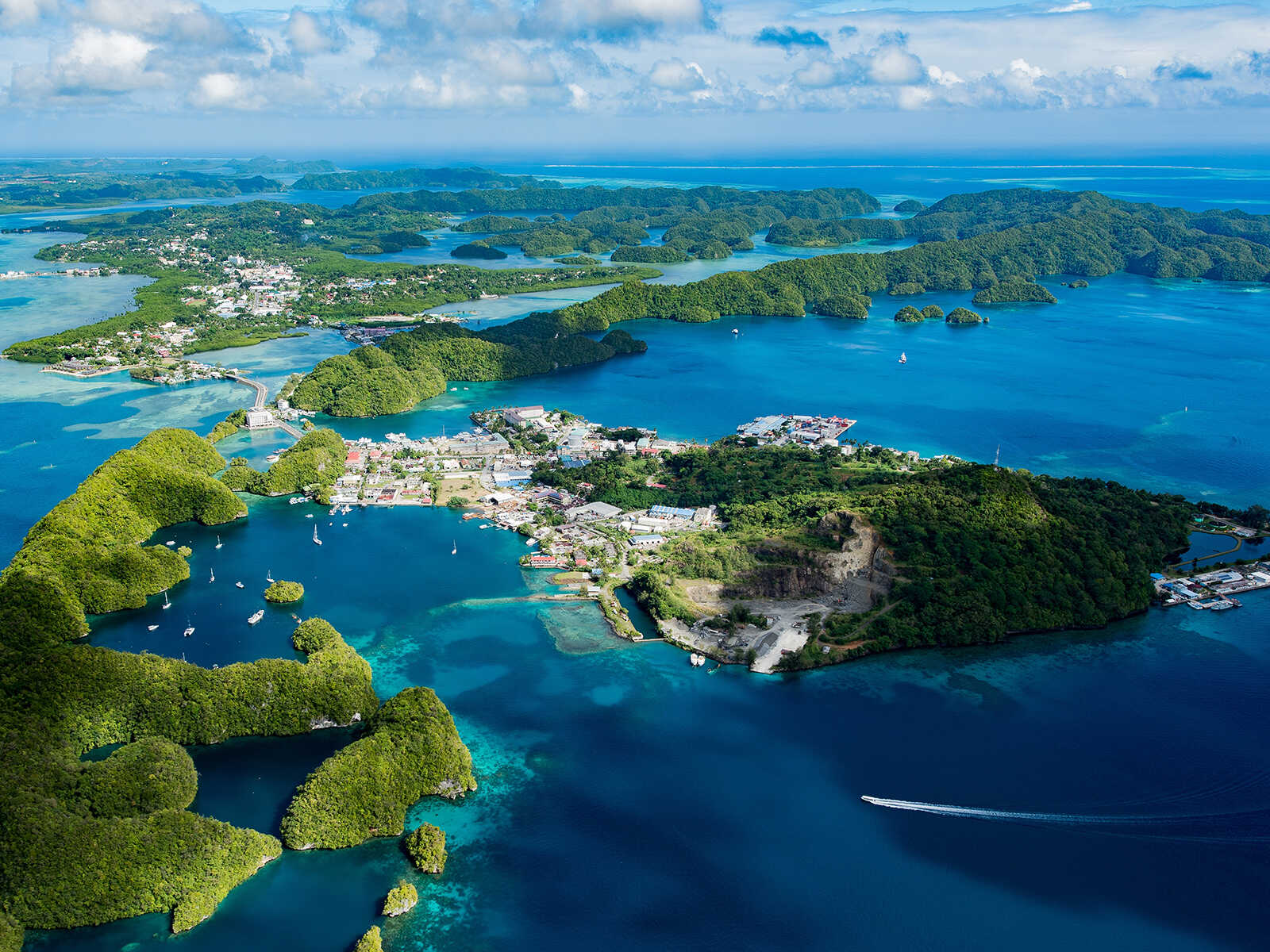
Exploring the Mystical Stone Monoliths of Palau
Nestled within the lush landscapes of Palau lies a captivating mystery: ancient stone monoliths, silent sentinels of a bygone era. These enigmatic structures offer a profound glimpse into the rich cultural heritage and spiritual beliefs of Palau's earliest inhabitants, inviting curious travelers to uncover their secrets.
What Are Palau's Stone Monoliths?
The stone monoliths of Palau are archaeological wonders, primarily found on the largest island, Babeldaob. Dating back as far as 100 AD, these megalithic structures include carved stone faces, pillars, and platforms, often arranged in intriguing patterns. Their exact purpose remains a subject of ongoing study and local legend, ranging from ancestral worship sites and burial grounds to navigational aids or markers for ancient villages and fortifications.
Unlike the more famous monolithic sites globally, Palau's stones possess a unique charm, often blending seamlessly with the dense jungle foliage. They are not grand, towering structures but rather intimate, powerful remnants that speak volumes about the sophisticated societies that once thrived here.
Where to Find These Ancient Wonders
While stone monoliths are scattered across various states on Babeldaob, several key sites offer the most compelling and accessible experiences. Exploring these locations often requires a local guide, who can provide invaluable historical context and help navigate the often-rugged terrain.
Badrulchau: The Crown Jewel
Arguably the most famous and impressive site is Badrulchau in Ngatpang State. This sprawling archaeological park features over 50 large basalt monoliths, including several intricately carved heads and human-like figures. Believed to have supported a massive ancient bai (men's meeting house), the site offers breathtaking panoramic views of the ocean and the surrounding jungle.
The central figures at Badrulchau, known as the "heads," are particularly striking, with distinct facial features that have sparked numerous theories about their origin and meaning. Walking among these weathered stones, one can almost hear the whispers of ancient chiefs and spirits.
Other Notable Sites on Babeldaob
Beyond Badrulchau, numerous other sites across Babeldaob hold significant monolithic structures, each with its own story:
- Ngarchelong State:The northernmost state of Babeldaob hosts several sites, including stone platforms and pathways that hint at extensive ancient settlements.
- Melekeok State:Home to the modern capital of Palau, Melekeok also contains ancient stone structures, some integrated into modern village life, reflecting the continuous cultural thread.
- Aimeliik State:Further south, Aimeliik offers sites with interesting stone arrangements, often linked to historical village layouts and defensive positions.
- Ngchesar State:This state features various smaller monolithic sites, contributing to the broader understanding of Palau's ancient landscape.
While many of these sites are less developed than Badrulchau, they offer a sense of raw discovery and an opportunity to connect with Palau's deep past away from more frequented paths.
Travel Tip:When visiting any monolithic site, remember that these are sacred cultural heritage locations. Always respect local customs, refrain from touching the stones unless permitted, and leave no trace of your visit.
The Mystery and Theories Behind the Monoliths
The true purpose and construction methods of Palau's monoliths remain largely speculative, fueling their allure. Local legends often attribute their creation to powerful chiefs, mythical gods, or even giants who shaped the landscape. These oral histories are deeply woven into the fabric of Palauan identity, connecting present generations to their ancestors.
Archaeological theories suggest various functions:
- Ceremonial Sites:Many believe the sites served as important gathering places for rituals, ceremonies, and political discussions, similar to the traditional bai.
- Navigational and Astronomical Markers:Some speculate that certain alignments of stones might have served as ancient calendars or navigational aids for seafaring peoples.
- Defensive Structures:Given Palau's history of inter-village warfare, some platforms and fortified areas could have served defensive purposes.
- Memorials or Burial Grounds:It is thought that some structures might have honored important ancestors or marked burial sites.
The sheer effort required to quarry, transport, and erect these massive stones without modern machinery speaks volumes about the ingenuity and societal organization of ancient Palauans.
Planning Your Monolith Exploration
A journey to Palau's monoliths is an adventure that combines cultural immersion with natural exploration. Careful planning ensures a rewarding experience.
Getting There and Around
Your journey will likely begin by flying into Palau International Airport (ROR) on Koror Island, the country's main hub. From Koror Island or nearby Malakal Island, you can arrange transportation to Babeldaob.
- Guided Tours:This is highly recommended. Local tour operators specialize in cultural and historical tours, providing knowledgeable guides who can lead you directly to the sites, offer historical context, and assist with navigating the jungle trails.
- Rental Car:While possible to rent a car, many of the roads leading to the monoliths, especially the less frequented ones, can be rough and poorly marked. A 4x4 vehicle is advisable, and a GPS with downloaded maps is essential.
The main artery through Babeldaob is the Compact Road, which provides relatively easy access to the states where monoliths are found.
What to Expect and What to Bring
Exploring the monoliths often involves walking through tropical jungle, which can be hot, humid, and home to various insects.
- Footwear:Sturdy, comfortable walking shoes or hiking sandals are a must.
- Hydration:Carry plenty of water. The humidity can be draining.
- Insect Repellent:Essential for protection against mosquitoes and other biting insects.
- Sun Protection:A hat, sunglasses, and reef-safe sunscreen are advisable.
- Lightweight Clothing:Long sleeves and pants can offer protection from sun and insects, but choose breathable fabrics.
- Camera:Capture the mystical beauty, but be mindful of your surroundings.
Combining Your Visit with Other Palau Adventures
Babeldaob offers more than just monoliths. You can easily combine your cultural exploration with other natural wonders:
- Hike to the impressive Ngardmau Waterfalls, the largest on Palau.
- Explore the diverse ecosystems of Babeldaob, from its pristine beaches to its dense forests.
Beyond Babeldaob, Palau is renowned for its spectacular marine environment. Consider adding world-class diving or snorkeling excursions to places like the German Channel, a visit to the unique Jellyfish Lake, or a refreshing mud bath at the Milky Way. For a truly remote island experience, a trip to Kayangel Island offers pristine atoll beauty.
The Chelbacheb, or Rock Islands, a UNESCO World Heritage site, are also a must-see, offering stunning limestone formations and vibrant marine life.
Responsible Tourism
When visiting Palau's ancient sites, practice responsible tourism. Support local guides and businesses, contribute to the preservation of these historical treasures, and always adhere to the "leave no trace" principle. Palau is a leader in marine conservation, and its cultural sites deserve the same respect and protection.
Exploring the stone monoliths of Palau is more than just sightseeing; it's a journey into the soul of an ancient civilization. These silent guardians stand as a testament to human ingenuity and spiritual connection, offering a unique and unforgettable adventure for those willing to seek them out.