
Best Time to Visit Palau for Diving & Island Adventures
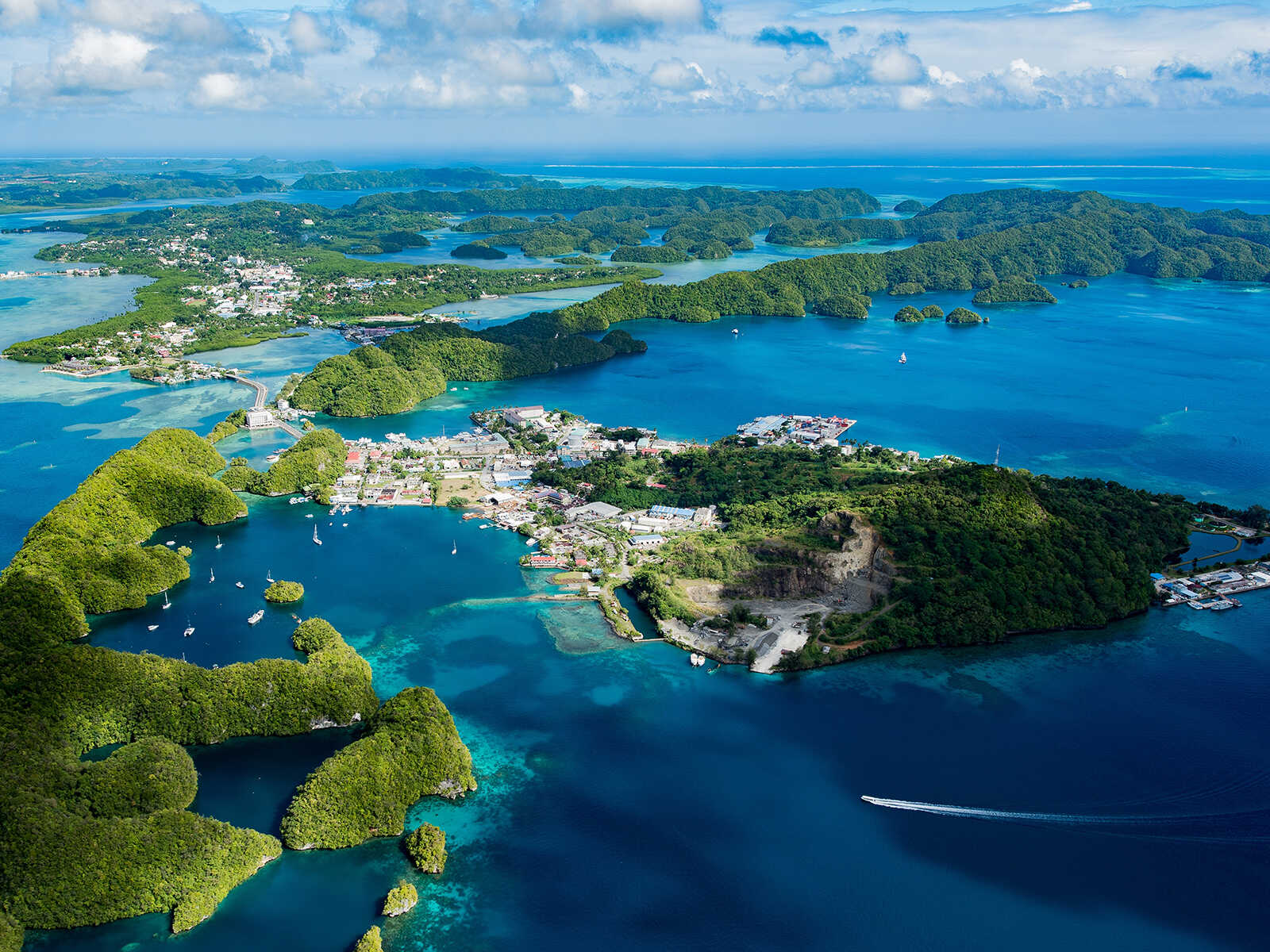
Palau, a pristine archipelago in Micronesia, offers a breathtaking array of marine life and lush island landscapes, making it a dream destination for divers and adventurers alike. While its tropical climate makes it a year-round paradise, understanding the subtle seasonal differences can significantly enhance your experience, ensuring you catch Palau at its absolute best for your chosen activities.
Understanding Palau's Climate: A Tropical Paradise
Palau enjoys a consistent tropical climate characterized by warm temperatures averaging around 27°C (81°F) throughout the year, with high humidity. The country generally experiences two main seasons: a dry season and a wet season, both offering unique advantages. Regardless of when you visit, the ocean temperatures remain inviting, typically hovering between 28-30°C (82-86°F), perfect for extended dives and water activities.
Fun Fact:Palau is home to approximately 1,300 species of fish and 700 species of coral, making it one of the most biodiverse marine environments on Earth.
The Dry Season: October to April (Peak Season for Diving)
The dry season is widely considered theprime timeto visit Palau, especially if your primary focus is diving and extensive island exploration. This period is marked by less rainfall, lower humidity, and generally calmer seas, leading to optimal conditions both above and below the water.
Why it's Great for Diving
During these months, visibility underwater can extend beyond 40 meters (130 feet), providing unparalleled views of Palau's vibrant coral reefs and abundant marine life. The calmer waters also mean easier access to some of Palau's most iconic dive sites. This season is particularly excellent for pelagic encounters, with higher chances of spotting large schools of fish, reef sharks, and the majestic manta rays at sites like the German Channel. Divers can expect consistent currents that bring nutrient-rich waters, attracting a diverse ecosystem.
Other Island Adventures
Beyond diving, the dry season's pleasant weather is ideal for exploring Palau's unique terrestrial and lagoon attractions. Kayaking through the labyrinthine Rock Islands (Chelbacheb) becomes an even more serene experience on calm waters. Visitors can easily access and enjoy the famous Jellyfish Lake(with proper permits) and take a soothing mud bath at the Milky Way. Exploring the main hub of Koror Island, with its museums and cultural sites, is also very comfortable during this time.
Considerations for Dry Season Travel
As the peak tourist season, the dry months naturally see more visitors. This means accommodations and liveaboard dive boats can book up quickly, and prices might be at their highest. It's highly recommended tobook your flights, hotels, and dive packages well in advance, especially if you plan to travel during major holidays.
The Wet Season: May to September (Green Season & Unique Opportunities)
While termed the "wet season," this period doesn't mean constant downpours. Instead, you can expect more frequent, but often short and heavy, tropical showers, interspersed with plenty of sunshine. Humidity levels are higher, and seas can be choppier, but this season offers distinct advantages for certain types of travelers.
Diving During the Wet Season
Don't let the "wet" label deter you from diving. Visibility remains excellent for the most part, though heavy rainfall can temporarily reduce it in some shallow, sheltered areas. The increased rainfall often invigorates the land, leading to lush landscapes and feeding waterfalls. For divers, the wet season can sometimes bring different current patterns, which can lead to unique marine life encounters. You might find dive sites less crowded, offering a more intimate experience with Palau's underwater wonders.
Land-Based Exploration
The wet season transforms Palau's islands into vibrant, verdant havens. This is an excellent time to explore the country's stunning waterfalls, such as the impressive Ngardmau Waterfalls, which are at their most powerful and picturesque. The lush jungle trails are alive with vibrant flora and fauna. Cultural sites like the Stone Monoliths and historical landmarks are also excellent to explore, often with fewer tourists around, allowing for a more reflective experience.
Considerations for Wet Season Travel
The main considerations for traveling during the wet season are the potential for rougher seas, which might occasionally affect dive site accessibility or make boat rides less comfortable. However, dive operators are highly experienced and prioritize safety, choosing the best sites based on daily conditions. While showers are common, they usually don't last all day, and there's still ample sunshine for activities. You'll likely find better deals on flights and accommodation due to lower demand.
Specific Interests: Tailoring Your Visit
Best for Pelagic Encounters (Manta Rays, Sharks)
Thedry season (October to April)generally offers the most consistent conditions for large pelagic sightings, especially manta rays at cleaning stations like the German Channel. The stronger currents and clearer waters create ideal conditions for these magnificent creatures.
Best for Kayaking & Rock Island Exploration
For serene kayaking trips through the iconic Rock Islands, visiting the Milky Way, or experiencing the pristine northern reaches of Kayangel Island, thedry seasonwith its calmer seas is preferable. This ensures smooth navigation and comfortable exploration of the lagoons.
Best for Avoiding Crowds
If you prefer a quieter, more tranquil experience with fewer tourists, consider traveling during thewet season (May to September). You'll often have dive sites and land attractions more to yourself, fostering a more intimate connection with Palau's natural beauty.
Best for Land-Based Exploration
While land exploration is possible year-round, thewet seasonbrings out the vibrant lushness of Palau's jungles and waterfalls, making sites like Ngardmau Waterfalls particularly spectacular. However, thedry seasonoffers easier access to all areas, including the main island of Koror Island and nearby Malakal Island, for general sightseeing and cultural visits.
Key Travel Tips for Palau
- Book in Advance:Especially during the dry season, secure your flights, accommodation, and dive tours early.
- Permits:Many popular sites, including the Rock Islands and Jellyfish Lake, require permits. Your tour operator or hotel can often assist with these.
- Packing Essentials:Bring light, breathable clothing, reef-safe sunscreen, insect repellent, a wide-brimmed hat, and sturdy walking shoes for land excursions.
- Respect the Environment:Palau is a leader in marine conservation. Always adhere to local guidelines, avoid touching marine life, and practice responsible tourism.
Conclusion
Palau truly is a year-round destination, each season offering a unique perspective on its unparalleled beauty. Thedry season (October to April)is ideal for pristine diving conditions, calmer waters, and easy access to all attractions, though it comes with more crowds and higher prices. Thewet season (May to September)offers lush landscapes, fewer tourists, and excellent diving nonetheless, making it perfect for those seeking a more secluded and vibrant natural experience. Ultimately, the best time to visit Palau depends on your priorities and what kind of adventure you seek.