
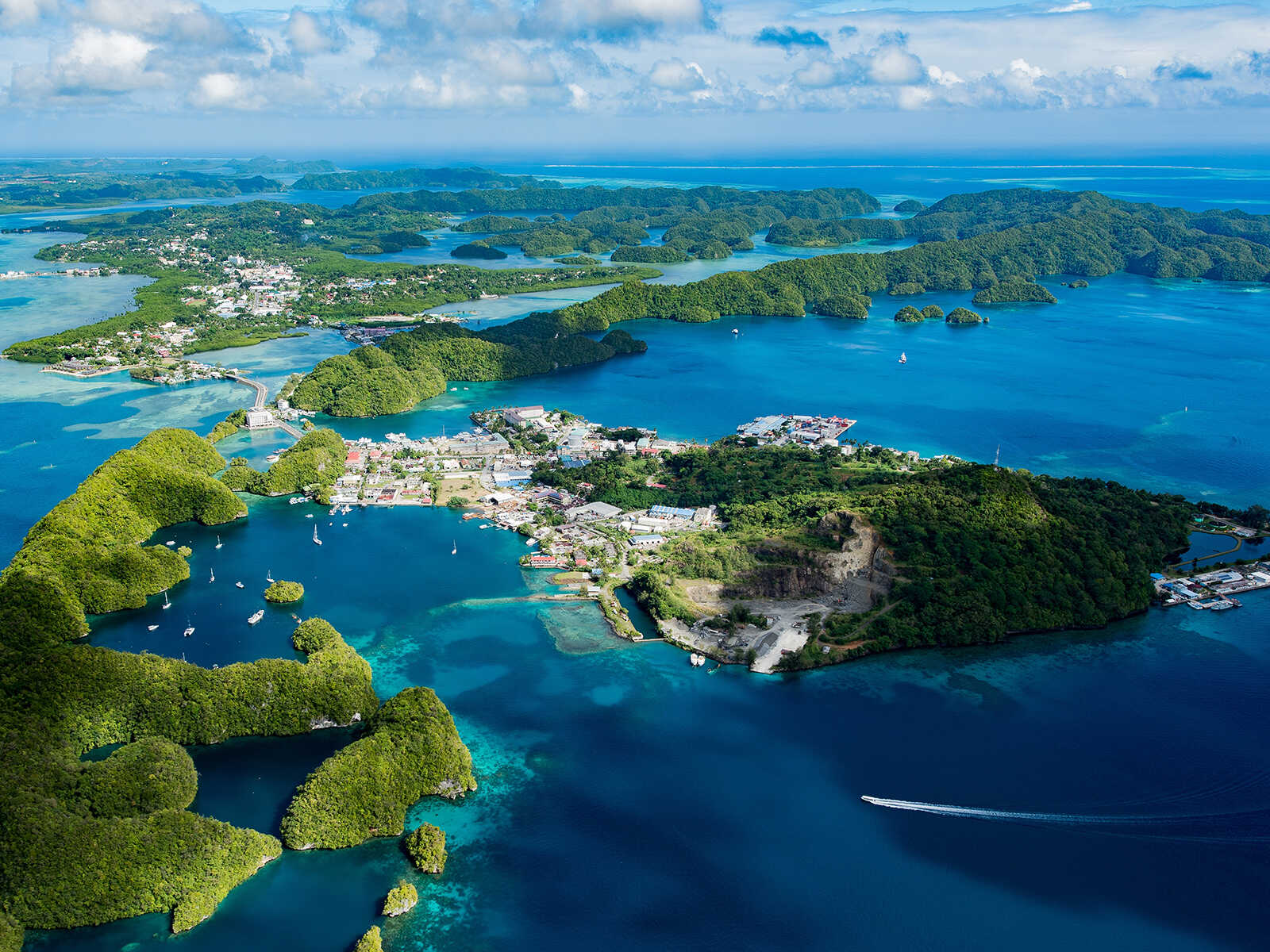
A Guide to Palau's Unique Geography: The Rock Islands & Beyond
Palau, an archipelago nation in Micronesia, captivates visitors with its extraordinary natural beauty. Its geography is a breathtaking tapestry of ancient limestone islands, vibrant coral reefs, and lush volcanic landscapes, offering a truly unparalleled experience for explorers. This guide delves into the distinctive geological formations and ecosystems that make Palau a world-renowned destination.
The Geological Canvas of Palau
Palau comprises over 340 islands and islets, stretching across a vast expanse of the western Pacific Ocean. While often pictured for its iconic mushroom-shaped islands, its geological story is far more complex, shaped by millions of years of volcanic activity, tectonic shifts, and the relentless forces of erosion. The archipelago is broadly divided into two main types of islands: the high, volcanic islands in the north (like Babeldaob) and the low, limestone and coral atolls and islands in the south and central regions (including the famous Rock Islands). This diverse geological foundation supports an equally diverse range of ecosystems, from dense rainforests to thriving marine environments.
The Iconic Rock Islands (Chelbacheb) – A UNESCO Marvel
At the heart of Palau's geographical fame lie the Chelbacheb, more commonly known as the Rock Islands. This stunning collection of some 300 uninhabited limestone islands is a designated UNESCO World Heritage site, celebrated for its unique geomorphology, rich biodiversity, and cultural significance.
Formation and Features
The Rock Islands are remnants of ancient coral reefs uplifted by volcanic activity millions of years ago. Over time, rain, wind, and waves sculpted the soft limestone into their characteristic mushroom-like shapes, with undercut bases and verdant caps. These islands rise dramatically from the turquoise waters, creating a labyrinthine network of channels, coves, and hidden lakes. Exploring these formations by kayak or small boat reveals hidden beaches and breathtaking vistas around every corner.
Biodiversity Hotspot
Beneath the surface, the waters surrounding the Rock Islands teem with an extraordinary array of marine life. The limestone foundations provide countless nooks and crannies for coral polyps to thrive, forming extensive reef systems that support thousands of species of fish, sharks, rays, turtles, and invertebrates. The Rock Islands are also home to several unique saltwater lakes, isolated for millennia, which have fostered the evolution of distinct species.
Did You Know?The Rock Islands are often referred to as 'marine lakes' due to their unique hydrological characteristics, where saltwater from the ocean filters through porous limestone, creating isolated but interconnected ecosystems.
Must-See Rock Island Wonders
- Jellyfish Lake:One of Palau's most famous natural wonders, this marine lake is home to millions of golden jellyfish that have lost their stinging ability due to isolation from predators. Swimming among them is a truly surreal experience.
- Milky Way:Tucked within a cove, the Milky Way is renowned for its mineral-rich white limestone mud, believed to have therapeutic properties. The water's opaque, milky-blue hue is a direct result of this suspended sediment.
- German Channel:A man-made channel originally blasted by German miners, it now serves as a major entry point for marine life into the inner reef systems, making it a prime diving and snorkeling spot for encounters with manta rays and sharks.
Beyond the Rock Islands – Palau's Diverse Landscapes
While the Rock Islands dominate Palau's image, the nation's geography extends to equally fascinating, though different, landscapes.
Babeldaob – The Volcanic Heartland
North of Koror Island lies Babeldaob, Palau's largest island and the second-largest in Micronesia. Unlike the limestone Rock Islands, Babeldaob is primarily volcanic in origin, characterized by rolling hills, fertile valleys, and dense rainforests. This island is the agricultural heartland of Palau and offers a stark contrast to the marine-dominated south.
- Waterfalls and Rivers:The volcanic terrain gives rise to several impressive waterfalls, including the magnificent Ngardmau Waterfalls, the tallest in Palau, offering refreshing freshwater swimming holes.
- Ancient Mysteries:Babeldaob also holds archaeological treasures, such as the enigmatic Stone Monoliths of Ngarchelong, massive basalt rocks whose origins remain a subject of local legend and historical intrigue.
Koror and Malakal – The Urban Hubs
Koror Island, though smaller than Babeldaob, serves as Palau's economic and population center. It's the gateway to the Rock Islands and home to most of the country's infrastructure. Connected by bridges and causeways,Malakal Island is also a vital part of this urban cluster, housing many of the dive and tour operators that facilitate exploration of Palau's marine wonders. While developed, these islands still offer beautiful coastal views and access to unique geographical features.
Kayangel – The Northern Atoll
Further north, beyond Babeldaob, lies Kayangel Island, a pristine coral atoll. Consisting of four small islets encircling a shallow lagoon, Kayangel represents a different geological formation: a classic atoll. Its remote location and undisturbed environment make it a haven for marine life and a perfect example of a healthy coral ecosystem. The exquisite beaches and vibrant reefs here offer a tranquil escape.
The Role of Ocean Currents and Reef Systems
Palau's location in the western Pacific places it squarely within the Western Pacific Warm Pool, a region of consistently warm ocean temperatures. This, combined with powerful ocean currents, contributes significantly to its extraordinary marine biodiversity. The strong currents bring nutrient-rich waters, feeding the extensive coral reef systems that fringe nearly all of Palau's islands. These reefs are not just beautiful; they are vital ecological engines, providing food, shelter, and breeding grounds for countless marine species, and acting as natural breakwaters protecting the islands from ocean swells. The diversity of Palau's reef structures, from barrier reefs to fringing reefs and submerged atolls, offers a myriad of diving and snorkeling experiences.
Conserving Palau's Unique Geography
The geological wonders and rich biodiversity of Palau are precious, and the nation is a global leader in conservation efforts. The Palau National Marine Sanctuary protects 80% of its exclusive economic zone, safeguarding its marine ecosystems for future generations. Visitors are encouraged to engage in responsible tourism, respecting the delicate balance of this unique environment. The Palau Pledge, a mandatory immigration policy, asks all visitors to sign a commitment to protect Palau's natural and cultural heritage, reinforcing the nation's dedication to preserving its extraordinary geography.
Exploring Palau's Geographical Marvels – Practical Tips
To truly appreciate Palau's unique geography, consider these practical tips:
- Boat Tours:The most common way to explore the Rock Islands is via guided boat tours. These range from full-day excursions covering multiple spots to more specialized diving or snorkeling trips.
- Kayaking/SUP:For a more intimate experience, kayaking or stand-up paddleboarding through the Rock Islands' calm lagoons and channels allows you to get up close to the limestone formations.
- Hiking:On Babeldaob, explore the lush interior by hiking to waterfalls or ancient sites. Always go with a local guide for safety and insight.
- Reef-Safe Products:Use reef-safe sunscreen and avoid touching corals or marine life to protect the delicate ecosystems.
- Permits:Be aware that permits are required for entry to many protected areas, including the Rock Islands Southern Lagoon and Jellyfish Lake.
Conclusion
Palau's geography is a masterpiece of nature, a testament to millions of years of geological and biological evolution. From the iconic, verdant mushroom islands of Chelbacheb to the volcanic peaks of Babeldaob and the pristine atoll of Kayangel Island, every corner of this archipelago offers a distinct and awe-inspiring landscape. Understanding its unique formations enriches the experience, revealing not just beautiful scenery, but a dynamic, living environment that continues to inspire and amaze all who visit.