
Understanding Oman: Traditions, Religion, and Daily Life
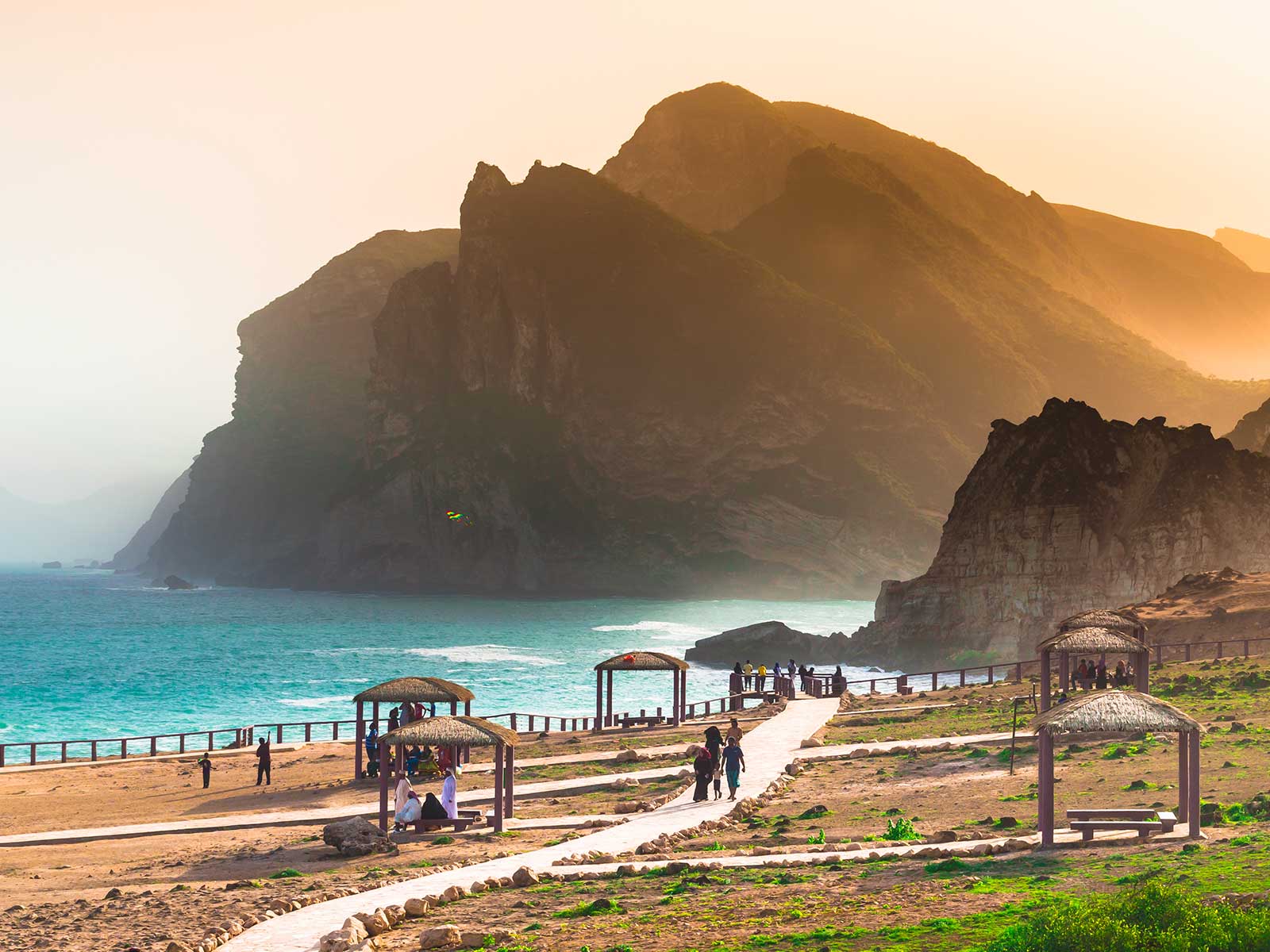
Oman, a jewel of the Arabian Peninsula, captivates visitors with its breathtaking landscapes and a culture deeply rooted in ancient traditions. To truly appreciate this remarkable nation, it’s essential to understand the intricate tapestry of its customs, the profound influence of its religion, and the rhythm of daily life that harmoniously blends the past with the present.
A Land Shaped by Ibadism: Religion in Oman
At the heart of Omani identity lies Islam, specifically the Ibadi branch, which distinguishes it from many of its neighbors. Ibadism is characterized by its principles of tolerance, moderation, and peaceful coexistence. While adherents are devout, the faith emphasizes a practical and just approach to life, fostering a society known for its stability and openness.
Religion permeates daily life, from the rhythmic calls to prayer echoing five times a day to the social etiquette observed by all. Visitors will find that Islamic holidays, particularly Eid al-Fitr and Eid al-Adha, are significant periods of celebration, family gatherings, and traditional feasts. Mosques are central community hubs, and respectful behavior, especially during prayer times, is highly valued. A visit to the majestic Sultan Qaboos Grand Mosque in Muscat offers a profound insight into Omani Islamic architecture and devotion, welcoming non-Muslims to observe its grandeur outside of prayer hours.
Did you know?Ibadism is one of the oldest schools of Islam, predating Sunni and Shia divisions. Its emphasis on consensus and righteous leadership has historically contributed to Oman's peaceful political landscape.
Time-Honored Traditions: The Fabric of Omani Society
Omanis take immense pride in their heritage, with traditions forming the very bedrock of their society. These customs are not mere relics of the past but living practices that shape interactions and celebrations.
Hospitality and Generosity (Karam)
Omani hospitality is legendary. Guests are treated with immense respect and generosity, a core tenet of both Islamic and Bedouin traditions. It’s common for visitors to be offeredQahwa(Omani coffee infused with cardamom) and dates upon arrival, a gesture of welcome that should always be accepted gracefully. When visiting an Omani home, it’s customary to remove your shoes, accept refreshments, and engage in polite conversation. Gifts are not expected but always appreciated as a sign of respect.
Dress Code and Modesty
Traditional dress is a powerful symbol of Omani identity and modesty. Men typically wear thedishdasha, a long, collarless gown, often accompanied by akumma(embroidered cap) or amuzzar(turban). Women wear elegantabayats(long, loose robes) and headscarves, often adorned with intricate embroidery. While visitors are not expected to wear traditional attire, dressing modestly is highly recommended and appreciated by locals. For women, this means covering shoulders and knees, especially in public places and religious sites. For men, long trousers and shirts are appropriate.
Family Values and Community
The family unit is paramount in Oman. Extended families often live together or nearby, fostering strong bonds and mutual support. Respect for elders is deeply ingrained, and their wisdom is highly valued. Community ties are equally strong, with neighbors and friends often gathering for social occasions, celebrations, and to assist one another. These connections create a sense of belonging and collective responsibility that underpins Omani society.
Arts, Crafts, and Heritage
Oman boasts a rich legacy of traditional crafts. Silverware, particularly the iconic curved dagger known as thekhanjar, is a highly prized symbol of Omani manhood and craftsmanship. Pottery, weaving, and traditional boat-building (dhows) are also prominent. Frankincense, historically a key trade commodity from regions like Salalah, continues to be cherished for its aromatic and cultural significance. Traditional music, often accompanied by instruments like theoud, and various dance forms are integral to celebrations and cultural events. Historical sites like the imposing Nizwa Fortress stand as magnificent testaments to Oman's rich past and architectural prowess.
Daily Life in Oman: A Blend of Old and New
Oman successfully navigates the balance between preserving its heritage and embracing modernity. This blend is evident in the daily routines and lifestyles of its people.
Modernity Meets Tradition
While ancient traditions thrive, Oman is a forward-looking nation with excellent infrastructure, modern cities like Muscat, and a growing economy. However, even in urban centers, traditional values remain strong. The rapid development has not eroded the Omani character; instead, it has created a unique environment where state-of-the-art facilities exist alongside bustling traditional souqs and ancient fortresses. This harmonious coexistence is a defining characteristic of Omani society.
Work, Leisure, and Socializing
The typical work week in Oman runs from Sunday to Thursday, with Friday and Saturday forming the weekend. Leisure time is often spent with family, visiting relatives, or enjoying Oman's diverse natural beauty. Popular activities include exploring the stunning wadis like Wadi Bani Khalid or Wadi Shab, hiking in the majestic mountains of Jebel Shams or Jebel Al Akhdar, or experiencing the vast tranquility of the Wahiba Sands. Shopping is also a popular pastime, with modern malls offering global brands alongside traditional souqs selling local crafts, spices, and perfumes. Evenings often involve communal meals or visits to coffee shops and parks, fostering social interaction.
Cuisine: A Taste of Oman
Omani cuisine is a delightful reflection of its history and trade routes, with influences from Indian, Persian, and East African flavors. Staple dishes often feature rice, marinated meats (lamb, goat, chicken), and a blend of aromatic spices. Signature dishes includeshuwa(slow-cooked marinated lamb or goat, often prepared in an underground oven),harees(wheat and meat porridge), andmajboos(spiced rice with meat). Seafood is also prominent, given Oman's extensive coastline. Meals are often a communal affair, emphasizing family and friendship.
Navigating Omani Culture: Tips for Travelers
To ensure a respectful and rewarding experience, consider these cultural tips:
- Dress Modestly:As mentioned, covering shoulders and knees is advisable for both men and women, especially when visiting religious sites or traditional areas.
- Observe Ramadan:If traveling during the holy month of Ramadan, be aware that most Omanis fast from dawn to dusk. Eating, drinking, and smoking in public during fasting hours are considered disrespectful.
- Greetings:A handshake is common between people of the same gender. A simple "As-salamu alaykum" (peace be upon you) is a polite greeting.
- Photography:Always ask for permission before photographing people, particularly women. It's generally acceptable to photograph landscapes and architecture.
- Public Displays of Affection:Keep public displays of affection to a minimum out of respect for local customs.
Understanding Oman's traditions, religion, and daily life allows travelers to connect more deeply with this enchanting country. It’s a place where ancient customs are cherished, faith guides daily interactions, and modernity is embraced without sacrificing a profound sense of identity. Embrace the opportunity to immerse yourself in its unique culture, and you will discover a land of warmth, dignity, and unparalleled beauty.