
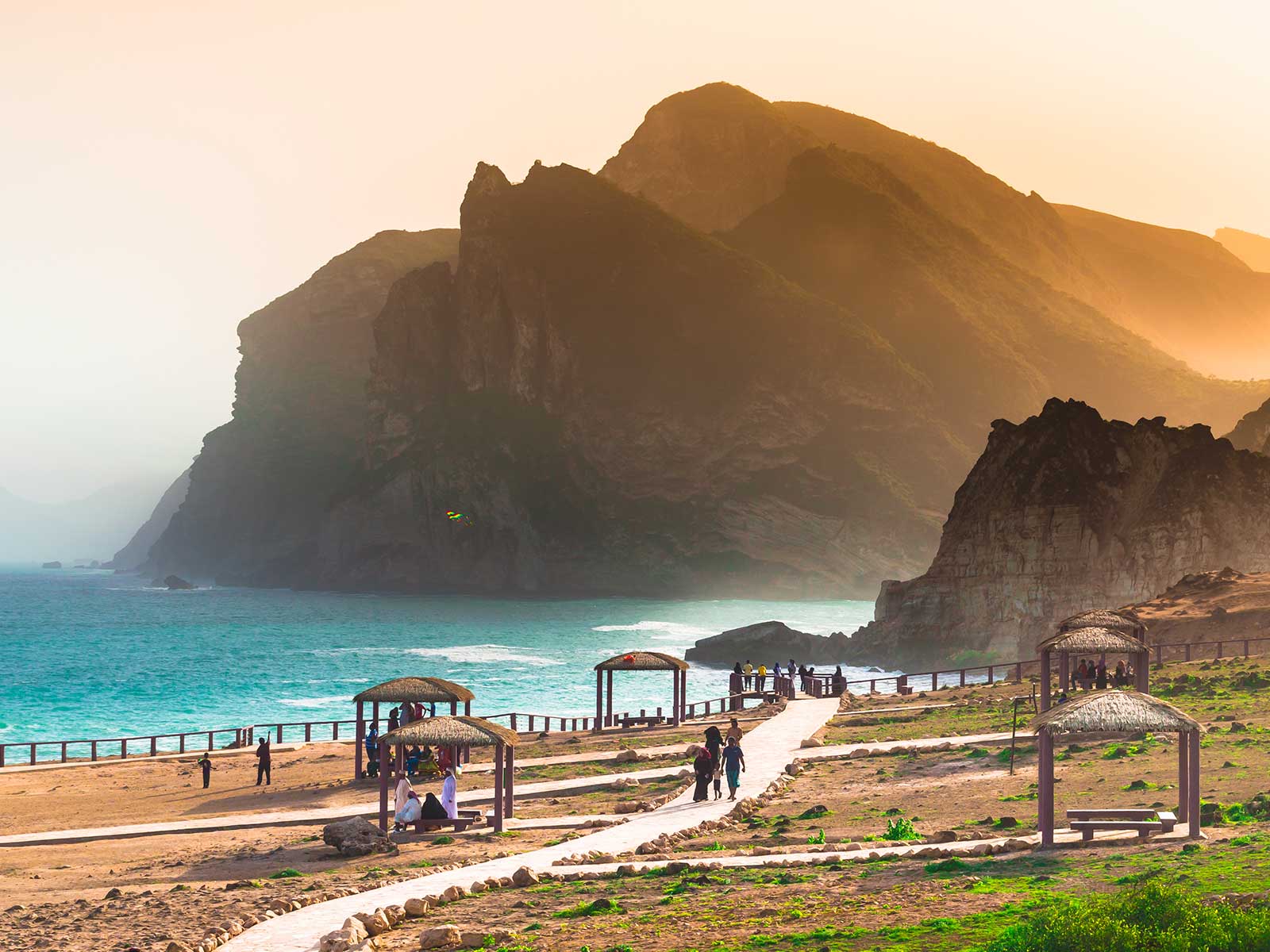
Salalah Travel Guide: Exploring Oman's Southern Gem
Salalah, the capital of Oman's Dhofar region, offers a captivating escape unlike any other destination in the Arabian Peninsula. Famous for its unique monsoon season, lush landscapes, and ancient frankincense heritage, this southern city presents a refreshing blend of natural beauty and cultural richness.
Discovering Salalah: Oman's Green Jewel
While much of Oman is characterized by dramatic mountains and vast deserts,Salalah stands apart with its tropical monsoon climate, known locally as the Khareef. From June to September, the parched brown earth transforms into a vibrant green paradise, attracting visitors seeking cooler temperatures and verdant scenery. This seasonal change brings misty mountains, cascading waterfalls, and a refreshing ambiance that makes Salalah a truly unique destination.
The Best Time to Visit Salalah
The ideal time to experience Salalah heavily depends on what you wish to see and do:
- Khareef Season (June to September):This is the peak season when the monsoon rains transform the region into a lush, misty haven. Waterfalls flow, mountains are green, and temperatures are significantly cooler, often in the mid-20s Celsius. Expect crowds, especially during local holidays.
- October to May:Outside the Khareef, Salalah enjoys pleasant, sunny weather with warm temperatures, ideal for beach activities, desert excursions, and exploring historical sites without the mist. The landscape is drier but still beautiful.
Getting to and Around Salalah
Salalah is well-connected and relatively easy to navigate.
Arrival
Salalah International Airport (SLL) serves the city with direct flights from major Omani and regional cities. For those seeking an adventurous journey, a scenic drive from Muscat, though long, offers breathtaking views of Oman's diverse topography, a stark contrast to the mountainous landscapes near Jebel Shams or the desert expanse of Wahiba Sands.
Transportation
While taxis are readily available, renting a car is highly recommended for exploring Salalah and its surrounding areas at your own pace. Many popular attractions are spread out, and a vehicle provides the flexibility to discover hidden gems. Reputable tour operators also offer guided excursions for those who prefer not to drive.
Top Attractions and Things to Do
Natural Wonders and Coastal Beauty
- Al Mughsail Beach:Famous for its dramatic blowholes, which erupt with seawater during high tide and rough seas, and its long stretch of pristine white sand. The drive along the winding road offers stunning coastal views.
- Wadi Darbat:A natural park that truly comes alive during the Khareef. Here, you'll find seasonal waterfalls, tranquil lakes, and lush vegetation, perfect for picnics and leisurely strolls. You might even spot camels grazing freely.
- Ain Razat:A natural spring and park, offering a peaceful retreat with caves and greenery, especially vibrant after the rains.
- Jebel Samhan:Home to the Jebel Samhan Nature Reserve, this area offers panoramic views of the coastline and is a prime spot for spotting Arabian leopards, though sightings are rare. The drive itself is spectacular.
- Fazayah Beach:A more secluded and pristine beach further west of Salalah, known for its untouched beauty and clear waters.
Historical and Cultural Insights
- Al Baleed Archaeological Park (UNESCO World Heritage Site):This ancient site was once a major port for frankincense trade. Explore the ruins of the ancient city and visit the Museum of the Frankincense Land, which showcases the region's maritime history and the significance of frankincense.
- Museum of the Frankincense Land:Located within Al Baleed Park, this museum offers fascinating insights into Oman's rich history, its maritime prowess, and the pivotal role frankincense played in ancient trade routes.
- Sultan Qaboos Mosque (Salalah):While not as grand as the Sultan Qaboos Grand Mosque in Muscat, Salalah's mosque is an impressive architectural landmark and an important place of worship. Non-Muslims are generally welcome outside prayer times, adhering to respectful dress codes.
- Al Haffa Souq:Immerse yourself in the scent of frankincense, spices, and perfumes at this traditional market. It's the perfect place to buy high-quality frankincense, local textiles, and souvenirs.
- Nabi Ayoub's Tomb (Job's Tomb):Perched on a hill overlooking Salalah, this site is believed to be the resting place of the Prophet Job. It offers serene views and a glimpse into local religious beliefs.
Fun Fact:Dhofar is the world's primary source of the finest frankincense, a fragrant resin used for millennia in perfumes, incense, and traditional medicine. Its trade was once as valuable as gold.
Beyond the City
For the adventurous, consider a day trip to the edge of the Empty Quarter (Rub' al Khali), one of the world's largest sand deserts, where you can experience towering dunes and camel rides, a stark contrast to the greenery of the Khareef season.
Where to Stay and What to Eat
Accommodation
Salalah offers a range of accommodation options, from luxurious resorts along the pristine coastline to comfortable city hotels and guesthouses. During the Khareef season, it's advisable to book well in advance due to high demand.
Culinary Delights
Omani cuisine is a delightful fusion of Arabian, Indian, and East African influences. In Salalah, you'll find numerous restaurants serving local dishes likeshuwa(slow-cooked marinated lamb or goat),machboos(rice dish with meat or fish), and fresh seafood. Don't miss trying the local dates and camel milk. International dining options are also available, particularly in hotels.
Practical Tips for Travelers
- Dress Code:Oman is a conservative country. While Salalah is more relaxed than some other regions, it's respectful to dress modestly, especially when visiting religious sites or traditional markets. Women should carry a headscarf for mosque visits.
- Language:Arabic is the official language, but English is widely spoken in tourist areas, hotels, and by many locals.
- Currency:The Omani Rial (OMR) is the local currency. Credit cards are accepted in most hotels and larger establishments, but cash is useful for souqs and smaller vendors.
- Safety:Oman is considered a very safe country with low crime rates. However, always exercise standard travel precautions.
- Respect Local Customs:Be mindful of local traditions, especially during religious holidays like Ramadan. Always ask for permission before photographing people.
Salalah offers a truly unique Omani experience, a world away from the desert landscapes and bustling cities of the north. Whether you're chasing waterfalls during the Khareef, exploring ancient ruins, or simply relaxing on a pristine beach, Salalah promises an unforgettable journey into the heart of Oman's southern gem.