
Renting a Car in Oman: Ultimate Guide for Road Trippers
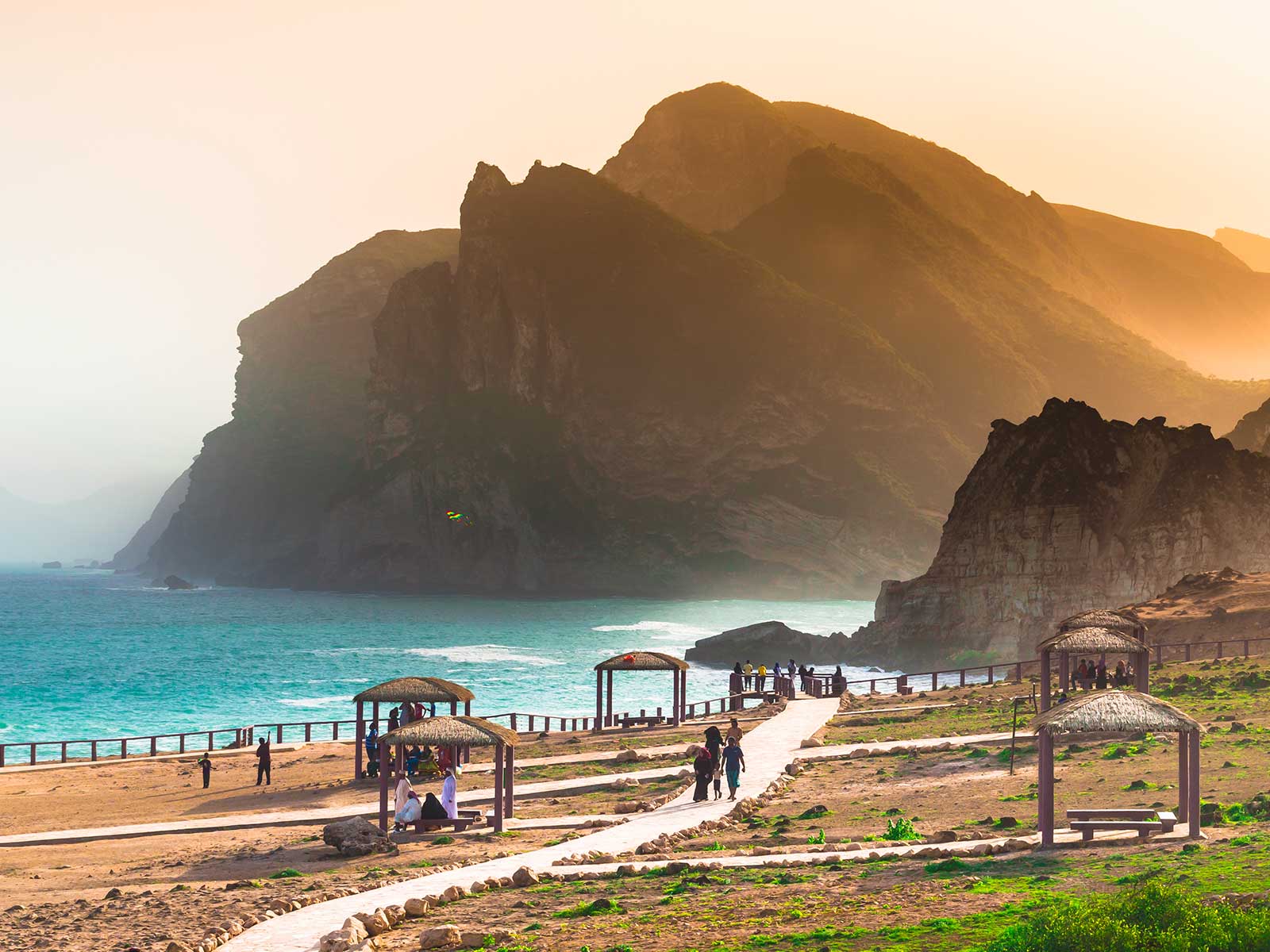
Oman, a land of majestic mountains, ancient forts, and stunning coastlines, truly reveals its magic when explored by road. Renting a car offers unparalleled freedom to discover hidden wadis, dramatic desert landscapes, and vibrant cities at your own pace, transforming a trip into an unforgettable adventure.
Why Rent a Car in Oman?
While public transport options exist, they are not comprehensive enough for independent exploration beyond major cities. Renting a car provides the flexibility to craft your own itinerary, linger longer at breathtaking viewpoints, and venture off the beaten path. Imagine spontaneously deciding to detour to a secluded beach or chasing a sunset over the dunes of Wahiba Sands.
The road network in Oman is generally excellent, with well-maintained highways connecting major towns and tourist attractions. This makes self-driving not just convenient but also a pleasure, allowing you to fully immerse yourself in the diverse beauty of the Sultanate.
Essential Requirements for Renting
Before you hit the road, ensure you meet the standard rental criteria:
- Driver's License:International visitors typically need their valid national driver's license alongside an International Driving Permit (IDP). While some rental agencies might accept a national license from certain countries for short stays, an IDP is highly recommended to avoid any issues, especially with traffic authorities.
- Age Restrictions:Most rental companies require drivers to be at least 21 years old. Some may impose a surcharge for drivers under 25, and certain vehicle categories might have higher age requirements.
- Credit Card:A major credit card in the primary driver's name is essential for the security deposit, which is standard practice for car rentals worldwide. Debit cards are generally not accepted for this purpose.
Choosing the Right Vehicle for Your Adventure
The type of vehicle you choose will significantly impact your Omani road trip experience:
- Sedans & Compact Cars:Ideal for city driving in Muscat, exploring historical sites like Nizwa Fortress, or cruising along the coastal roads to Salalah. They are fuel-efficient and perfectly adequate for the country's superb main highways.
- SUVs & 4x4s:If your itinerary includes venturing into the mountains, wadis, or deserts, a 4x4 is highly recommended, and often essential. Destinations like Jebel Al Akhdar and Jebel Shams require a 4x4 to access their upper reaches, with checkpoints enforcing this rule. For exploring the stunning Wadi Bani Khalid or the challenging terrain around Wadi Shab, a 4x4 provides the necessary clearance and traction.
Consider your planned route carefully. If you anticipate any off-road excursions or tackling steep, unpaved mountain roads, investing in a 4x4 will enhance your safety and allow you to fully experience Oman's diverse landscapes.
Where to Rent Your Car
Car rental services are widely available across Oman:
- Muscat International Airport (MCT):This is the most convenient option for most visitors, with numerous international and local rental agencies operating desks directly at the airport.
- Major City Centers:You can also find rental offices in key cities like Muscat (near attractions like the Sultan Qaboos Grand Mosque or Al Alam Palace), Salalah, and Sohar.
Booking in advance, especially during peak season (October to April), is advisable to secure your preferred vehicle type and potentially better rates.
Understanding Insurance Options
Navigating car rental insurance can be complex, but it's crucial for peace of mind:
- Collision Damage Waiver (CDW):This covers damage to the rental vehicle itself. It usually comes with an excess (deductible), meaning you'll be responsible for the first portion of repair costs.
- Theft Protection (TP):Covers the cost of the vehicle if it's stolen. Like CDW, it often has an excess.
- Third-Party Liability (TPL):This is mandatory and covers damage to other vehicles or property, and injuries to third parties.
- Full Coverage / Zero Excess:Many rental companies offer optional "super" CDW or full protection packages that reduce or eliminate your excess. While seemingly more expensive upfront, this can save significant costs in the event of an accident. Carefully review what each package covers.
Always inspect the vehicle thoroughly before driving off and document any existing damage with photos or videos. Ensure all damage is noted on the rental agreement to avoid disputes upon return.
Driving in Oman: What to Expect
Driving in Oman is generally a pleasant experience, but here are some key considerations:
- Road Conditions:Oman boasts excellent, well-maintained asphalt roads. However, venturing into wadis, mountains, or desert areas will often involve unpaved, gravel, or sandy tracks, necessitating a 4x4.
- Traffic & Speed Limits:Traffic in Muscat can be heavy during peak hours, but outside the capital, roads are usually quiet. Speed limits are clearly signposted (e.g., 120 km/h on highways, 80 km/h on main roads, 40-60 km/h in urban areas). Speed cameras are common and actively enforced.
- Fuel Stations:Fuel stations are plentiful on major routes and in towns. They offer various grades of petrol, and payment is typically made by cash or card. Fuel attendants usually pump the fuel for you.
- Navigation:GPS is highly reliable in Oman. Google Maps and other navigation apps work well, but it's wise to download offline maps, especially when heading to remote areas with patchy mobile signal, such as parts of Jebel Shams or the more secluded spots in the Wahiba Sands.
- Local Driving Etiquette:Driving is generally disciplined. Overtaking on the right is common, and flashing headlights often signal intent to pass. Always be mindful of camels and goats, especially in rural and desert areas – they have the right of way!
- Police Checkpoints:You might encounter police checkpoints, particularly on routes leading to sensitive areas or at regional borders. They are usually quick and polite; simply present your license and rental documents if requested.
Oman's diverse landscapes, from the vibrant capital to the tranquil fjords of Ras Musandam Fjords, are best explored with the freedom of your own vehicle.
Key Tips for a Smooth Rental Experience
- Inspect the Vehicle Thoroughly:Before accepting the car, walk around it with the rental agent, noting every scratch or dent, no matter how small, on the rental agreement. Take photos or videos for your records.
- Understand the Fuel Policy:Clarify whether you need to return the car with a full tank, or if it's a 'full-to-empty' policy. Returning it with less fuel than agreed can incur significant surcharges.
- Know Emergency Procedures:Familiarize yourself with the location of the spare tire, jack, and emergency tools. Ask for the rental company's roadside assistance number.
- Plan Your Route:While spontaneity is great, a basic plan, especially for longer journeys or trips to remote areas, is essential. Check road conditions and accessibility, particularly for wadis during rain or mountain passes.
- Stay Hydrated and Prepared:Oman can be hot, especially outside the cooler months. Always carry plenty of water, snacks, a first-aid kit, and a fully charged phone. Inform someone of your itinerary if you're heading to very remote locations.
Renting a car in Oman is more than just a convenience; it's an invitation to an unparalleled adventure. With careful planning and the right vehicle, you'll unlock the full potential of this magnificent country, creating memories that will last a lifetime.