
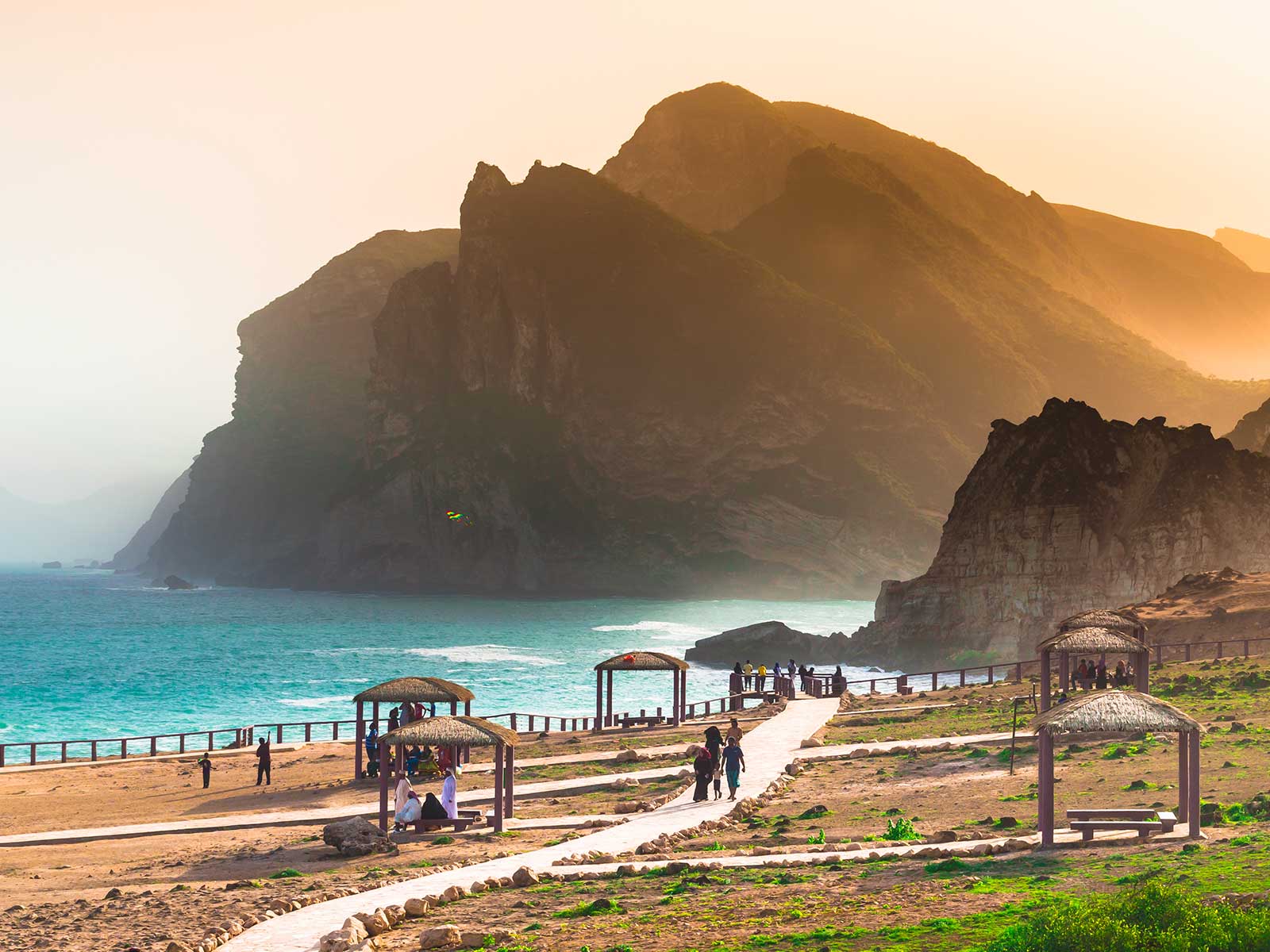
Oman's Rich History: A Journey Through Time
Oman, a jewel of the Arabian Peninsula, boasts a captivating history stretching back millennia. From ancient trade routes to powerful maritime empires, its past is a tapestry woven with resilience, innovation, and enduring cultural heritage. Embark on a journey through time to uncover the fascinating layers of this remarkable nation.
Ancient Roots: From Magan to Early Islam
Oman's story begins in antiquity, a land whose strategic location on the Arabian Sea made it a crucial nexus for trade and cultural exchange long before written records. Archaeological discoveries across the country paint a vivid picture of early civilizations.
Magan and the Copper Age
As early as the 3rd millennium BCE, the region now known as Oman was identified withMagan, a land frequently mentioned in Sumerian cuneiform texts. Magan was renowned for its abundant copper resources and its skilled mariners, who facilitated trade between Mesopotamia and the Indus Valley. Evidence of copper mining and smelting sites, alongside distinctive pottery, attests to a sophisticated early society. The archaeological sites of Bat, Al-Khutm, and Al-Ayn, recognized as UNESCO World Heritage sites, offer remarkable insights into these Bronze Age settlements and their unique beehive tombs.
The Frankincense Route
For centuries, Oman was at the heart of the lucrative Frankincense Route, an ancient network of trade paths that transported precious frankincense resin from the Dhofar region to empires across the Mediterranean, Mesopotamia, and India.Salalah, in the southern region of Dhofar, served as a primary port for this trade, with sites like Sumhuram (Khor Rori) and Al Baleed acting as vital hubs. This trade brought immense wealth and cultural influence, shaping Oman's identity as a crossroads of civilizations. The enduring aroma of frankincense still permeates many traditional Omani markets today.
Did you know?Frankincense was considered more valuable than gold in ancient times, used in religious ceremonies, medicines, and perfumes across the ancient world.
Arrival of Islam
The dawn of Islam in the 7th century CE marked a pivotal moment in Omani history. Unlike many regions that saw conquest, Oman embraced Islam peacefully, largely through letters and emissaries from Prophet Muhammad. The country became one of the first to adopt the new faith, establishing an early Ibadi Imamate. This distinct branch of Islam, known for its emphasis on justice, scholarship, and community governance, has profoundly shaped Omani society, politics, and culture for over a millennium.
The Age of Imams and Seafaring Empires
Following the peaceful adoption of Islam, Oman entered an era of remarkable internal stability and external expansion, driven by its unique political structure and unparalleled maritime prowess.
The Ibadi Imamate
The Ibadi Imamate, a system where the leader (Imam) is chosen by the community based on piety and justice, provided a stable framework for governance. This decentralized yet cohesive system allowed for periods of significant prosperity and cultural flourishing. The Imams often resided in cities like Nizwa, which became a center of learning and a strategic stronghold.
Maritime Supremacy
Oman's strategic location and the skill of its navigators propelled it to become a dominant maritime power. Omani ships, known as dhows, plied the waters of the Indian Ocean, establishing trade routes that stretched from East Africa to India and beyond. They traded in spices, textiles, ivory, and slaves, creating a vast network of influence. This maritime legacy is still visible in coastal towns and the traditional shipbuilding that continues today.
Traveler's Tip:To truly grasp Oman's seafaring heritage, consider visiting coastal towns like Sur or exploring the vibrant fish markets in Muscat, where the echoes of ancient trade are still strong.
European Encounters and Colonial Influence
The arrival of European powers in the Indian Ocean in the 16th century brought new challenges and conflicts to Oman's shores.
Portuguese Occupation
In the early 16th century, the Portuguese, seeking to control the lucrative spice trade, established a presence in key Omani coastal cities, including Muscat. They built formidable forts to protect their interests, such as the iconic Fort Al Jalali and Fort Al Mirani flanking Al Alam Palace in Muscat today. This period of foreign occupation lasted for over a century, marking a challenging chapter in Omani history.
Omani Resistance and Expulsion
Despite the Portuguese military might, Omani resistance simmered. Under the leadership of successive Imams, a concerted effort was made to expel the occupiers. In 1650, after years of struggle, Omani forces successfully drove out the Portuguese from Muscat, restoring national sovereignty. This victory not only liberated Oman but also set the stage for its own imperial expansion, particularly along the East African coast.
The Al-Busaidi Dynasty and Modern Oman
The 18th century saw the rise of the Al-Busaidi dynasty, which continues to rule Oman to this day, guiding the nation through periods of immense change and modernization.
Consolidation of Power and Regional Influence
Ahmad bin Said Al-Busaidi, who rose to power in 1744, founded the current ruling dynasty. He unified the country, expelled Persian invaders, and re-established Oman's position as a regional power. Under his successors, notably Sultan Said bin Sultan in the early 19th century, the Omani Empire reached its zenith, controlling vast territories in East Africa, including Zanzibar, and parts of the Persian coast. This period solidified Oman's diplomatic and commercial ties with major global powers.
Sultan Qaboos: A Visionary Leader
The modern transformation of Oman began in 1970 with the accession of His Majesty Sultan Qaboos bin Said Al Said. Inheriting a nation that was largely isolated and underdeveloped, Sultan Qaboos embarked on an ambitious program of modernization, using Oman's oil wealth to build infrastructure, establish a modern education system, and develop healthcare. He fostered a policy of peaceful coexistence and non-interference internationally, earning Oman a reputation as a stable and mediating force in the region. His legacy of progress, cultural preservation, and national unity is deeply revered. Visitors can witness this legacy in the grandeur of the Sultan Qaboos Grand Mosque or the numerous development projects across the country.
Experiencing Oman's History Today
For travelers, Oman's history is not just confined to books; it's a living, breathing part of the landscape and culture. Exploring its historical sites offers an unparalleled insight into its past.
Forts and Castles
Oman is famously dotted with over 500 forts and castles, each telling a story of defense and dominion. The imposing Nizwa Fortress, with its massive cylindrical tower, offers panoramic views and a deep dive into Omani military architecture. Bahla Fort, a UNESCO World Heritage site, is another magnificent example, showcasing intricate mud-brick construction. Exploring these fortresses provides a tangible link to the nation's strategic past.
Ancient Cities and Archaeological Sites
Step back in time at the archaeological sites of Bat, Al-Khutm, and Al-Ayn, where Bronze Age tombs and settlements reveal Oman's prehistoric connections. In the south, near Salalah, the ancient port city of Sumhuram (Khor Rori) and the ruins of Al Baleed testify to the immense wealth generated by the frankincense trade. These sites offer quiet contemplation and a sense of profound antiquity.
Museums and Heritage Houses
For a curated journey through Oman's past, visit the National Museum of Oman in Muscat. Its comprehensive collections cover everything from prehistoric artifacts to maritime history and the modern renaissance. The Bait Al Zubair Museum, also in Muscat, offers a more intimate look at Omani culture and heritage through its private collections of traditional clothing, weapons, and household items.
Religious Sites and Traditional Markets
The peaceful embrace of Islam is evident in the many beautiful mosques throughout Oman. The magnificent Sultan Qaboos Grand Mosque in Muscat is an architectural marvel and a spiritual heart, welcoming non-Muslim visitors to appreciate its grandeur and serenity. Traditional souqs (markets) like the Mutrah Souq in Muscat or the souq in Nizwa offer a vibrant glimpse into continuous trade traditions, where the scent of frankincense and spices still fills the air, connecting the present to a timeless past.
Oman's history is a testament to its enduring spirit, a narrative of resilience, wisdom, and a deep connection to the sea. A visit here is more than a vacation; it's an immersive journey through the annals of time, revealing a truly unique Arabian story.