
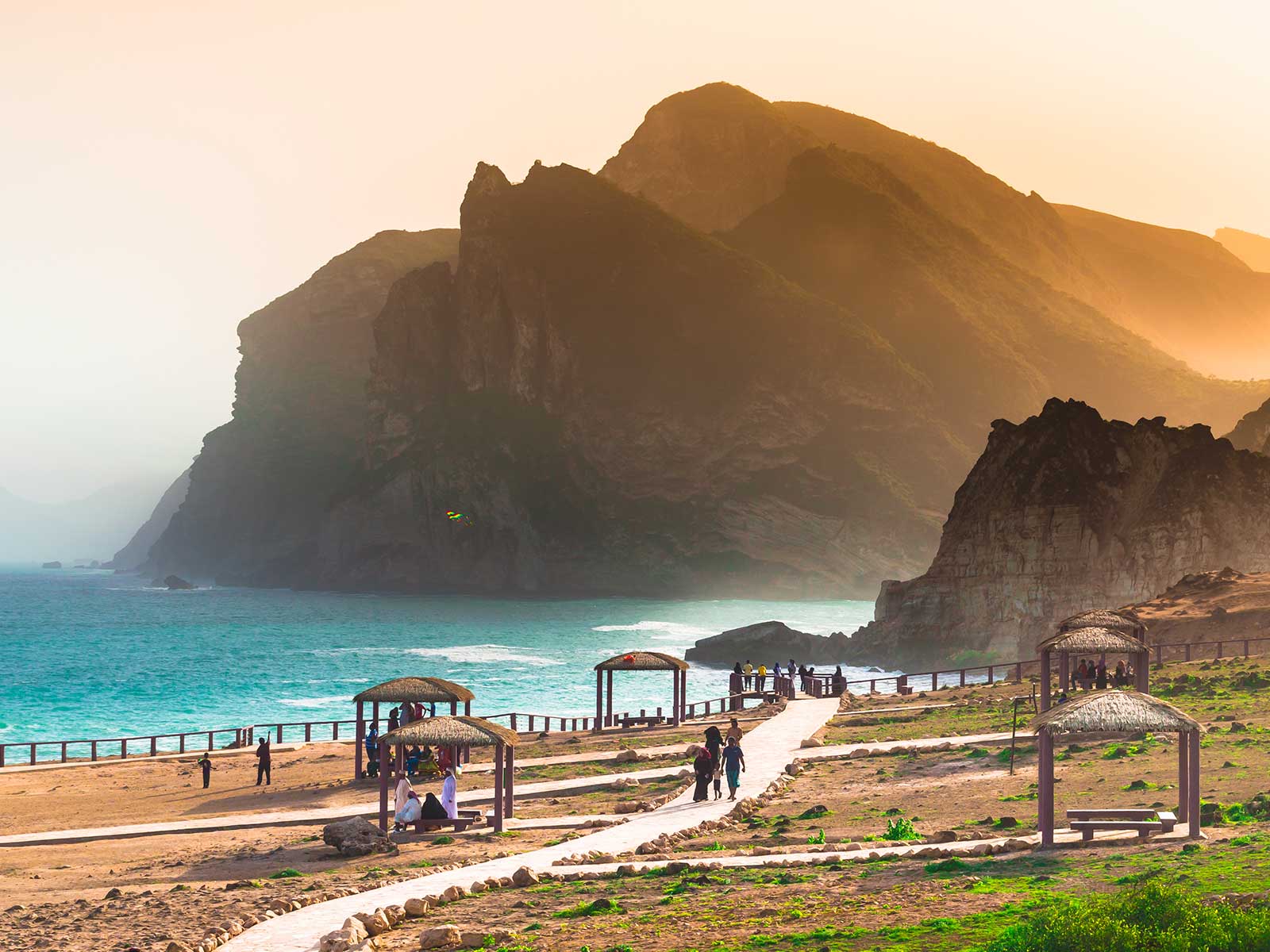
Is Oman Safe for Tourists? Essential Safety Tips for Travelers
Oman, often called the "Jewel of Arabia," consistently ranks among the safest countries in the world, making it an increasingly popular destination for discerning travelers. Its reputation for low crime rates, political stability, and a genuinely welcoming populace ensures a peaceful and enriching experience for visitors. This guide will delve into what makes Oman so secure and provide practical advice for a worry-free journey.
Oman's Reputation for Safety
Oman prides itself on its exceptionally low crime rates and a strong sense of community, where respect and hospitality are deeply ingrained cultural values. The Sultanate maintains a politically stable environment, fostering a peaceful society that extends to its treatment of tourists. Visitors frequently report feeling safe even when exploring remote areas or walking alone at night. The government places a high priority on security, and local authorities are efficient and approachable, further contributing to the country's tranquil atmosphere. This inherent safety allows travelers to focus on experiencing Oman's stunning landscapes, rich history, and vibrant culture without undue concern.
Understanding Local Culture and Etiquette
While Oman is progressive and accustomed to foreign visitors, showing respect for local customs is paramount and contributes significantly to a harmonious trip.
Dress Code
Modesty is appreciated throughout Oman, particularly in public places and religious sites. For women, this generally means covering shoulders and knees. Loose-fitting clothing is always a good choice, and a headscarf is advisable for visits to mosques, such as the magnificent Sultan Qaboos Grand Mosque in Muscat. Men should also opt for trousers or longer shorts and and avoid going shirtless in public. Adhering to these simple guidelines demonstrates respect and ensures you'll be welcomed warmly wherever you go.
Respectful Interactions
Omanis are known for their hospitality. When interacting with locals, a polite greeting and a smile go a long way. Always ask for permission before taking photos of people, especially women. Public displays of affection are generally frowned upon. During the holy month of Ramadan, it is respectful to refrain from eating, drinking, and smoking in public during daylight hours, although many tourist establishments may still operate with discretion.
"Oman's deep-rooted hospitality, known as 'karam,' means guests are treated with utmost respect and generosity. Embrace this cultural trait, and you'll find genuine warmth everywhere."
General Safety Precautions
Even in a very safe country like Oman, standard travel precautions are always advisable.
Personal Belongings
While petty crime like pickpocketing is rare, it's always wise to keep an eye on your valuables, especially in crowded markets (souqs) or tourist hotspots. Use hotel safes for passports, extra cash, and important documents. Avoid flashing large amounts of cash or expensive jewelry.
Solo Travel
Oman is an excellent destination for solo travelers, including solo female travelers. The low crime rate and respectful culture mean women generally feel very secure. However, standard precautions still apply: inform someone of your itinerary, avoid walking alone in very isolated areas at night, and trust your instincts. Local women are often happy to assist or offer advice if approached respectfully.
Transportation
Taxis are readily available in cities, and it's best to agree on a fare beforehand or ensure the meter is used. For exploring outside urban centers, renting a car is a popular option. Roads are generally well-maintained, but be aware of speed cameras and occasional camels or goats on rural roads. A 4x4 vehicle is recommended if you plan to venture into mountainous regions like Jebel Al Akhdar or the desert landscapes of Wahiba Sands.
Health and Medical Facilities
Oman boasts modern and well-equipped medical facilities, particularly in Muscat and other major cities like Salalah. For minor ailments, pharmacies are widespread. Tap water is generally safe to drink in most urban areas, but bottled water is widely available and often preferred by visitors. Ensure you have comprehensive travel insurance that covers medical emergencies and potential evacuation. Protect yourself from the sun with hats, sunglasses, and high-SPF sunscreen, and stay hydrated, especially during the hotter months.
Adventure and Outdoor Safety
Oman's diverse landscapes offer incredible opportunities for adventure, but responsible planning is key.
Desert Safaris and Wadis
Exploring the desert or the stunning wadis (riverbeds) is a highlight. When visiting places like Wadi Bani Khalid or Wadi Shab, ensure you go with a reputable tour operator or a local guide, especially if you're unfamiliar with the terrain. Always carry plenty of water, wear appropriate footwear, and be aware of potential flash floods during rainy seasons, even if the skies above you are clear. Never swim in wadis after heavy rainfall.
Mountain Trekking
For treks in areas like Jebel Al Akhdar or to the summit of Jebel Shams(Oman's highest peak), wear sturdy hiking shoes and bring layers of clothing as temperatures can vary significantly between day and night, and at different altitudes. Inform someone of your hiking plans and estimated return time, and consider hiring a local guide for challenging routes.
Water Activities
Oman's coastline offers fantastic opportunities for swimming, snorkeling, and diving, particularly around the Daymaniyat Islands. Always check local conditions and respect marine life. Be mindful of strong currents in some areas and heed any warnings. If participating in organized water sports, ensure your chosen operator is certified and adheres to safety standards.
Wildlife
While encounters are rare, Oman is home to scorpions and snakes, particularly in arid and rocky regions. Most will avoid humans if given space. When hiking or camping, wear appropriate footwear, shake out shoes before putting them on, and avoid putting hands into crevices. Larger wildlife, like Arabian leopards, are extremely rare and found only in remote, protected areas.
Navigating Specific Regions
Each region of Oman offers its unique charm, all within a safe and welcoming environment.
Muscat
The capital city is highly cosmopolitan and extremely safe. Whether exploring the Al Alam Palace, strolling along the Muttrah Corniche, or visiting a bustling souq, you can do so with peace of mind.
Nizwa
Known for its historical significance and the impressive Nizwa Fortress, this interior city is equally safe and offers a glimpse into Oman's rich heritage. The atmosphere is generally more conservative, so cultural etiquette is especially important here.
Salalah and the Dhofar Region
The southern region of Salalah, famed for its monsoon season (khareef) and frankincense trees, offers a different cultural and climatic experience but maintains the same high safety standards as the rest of the country.
Ras Musandam Fjords
The rugged, isolated beauty of the Ras Musandam Fjords, an exclave separated from the rest of Oman by the UAE, is best explored via organized tours from Khasab. These tours are well-regulated and safe, offering breathtaking dhow cruises and snorkeling opportunities.
Emergency Information
While unlikely to be needed, it's always prudent to have emergency contacts handy.
- Police/Emergency Services:9999
- Ambulance:9999
- Fire:9999
Additionally, keep your country's embassy or consulate contact information stored on your phone or in a readily accessible place.
Conclusion
Oman stands out as a beacon of safety and tranquility in the Middle East, offering travelers an immersive and secure experience. By understanding and respecting local customs, taking sensible precautions, and planning your adventures responsibly, you can fully enjoy the Sultanate's unparalleled beauty, warm hospitality, and rich cultural tapestry. Embark on your Omani journey with confidence, knowing you're visiting one of the world's most welcoming and secure destinations.