
How to Get Around Oman: Transportation Guide for Travelers
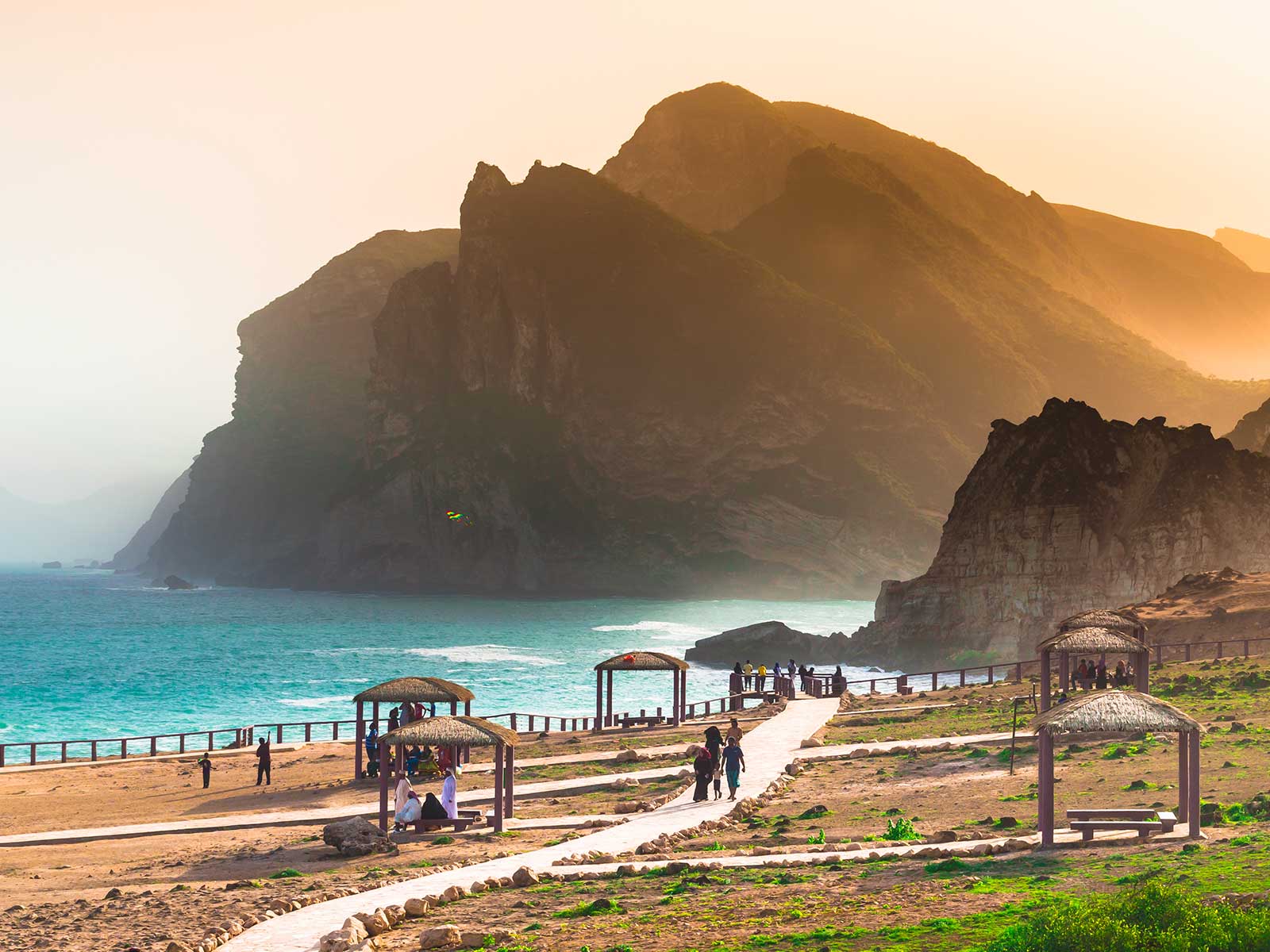
Oman, a land of dramatic mountains, pristine coastlines, and vast deserts, offers travelers an incredible array of experiences. To truly unlock the Sultanate's treasures, understanding its transportation options is key to navigating its diverse landscapes with ease and confidence.
From the bustling streets of Muscat to the serene wadis and towering jebels, getting around Oman can be an adventure in itself. This comprehensive guide will walk you through the various modes of transport available, helping you plan your journey whether you're seeking independence on the open road or the convenience of guided tours.
Renting a Car: The Ultimate Freedom
For many visitors, renting a car is the most popular and highly recommended way to explore Oman. The country boasts an excellent network of well-maintained roads, making self-driving a convenient and rewarding experience. Having your own vehicle offers unparalleled flexibility, allowing you to venture off the beaten path and discover hidden gems at your own pace.
Why Rent a Car?
- Flexibility:Stop whenever and wherever you please, whether it's for a scenic photo opportunity or an impromptu visit to a local market.
- Accessibility:Reach remote and stunning locations that public transport doesn't serve, such as the breathtaking views from Jebel Shams, the ancient beauty of Nizwa Fortress, or the lush oases of Wadi Bani Khalid.
- Cost-Effective for Groups:When traveling with family or friends, a rental car can often be more economical than multiple taxi fares or tour bookings.
Important Considerations for Car Rental
- Vehicle Type:While a standard sedan is sufficient for city driving and major highways, a4x4 vehicle is highly recommended, if not essential, for exploring mountainous regions like Jebel Al Akhdar or the shifting sands of Wahiba Sands. Many rental companies offer reliable 4x4 options.
- Driving License:An International Driving Permit (IDP) is usually required in conjunction with your national driving license. Always verify the specific requirements with your rental agency.
- Navigation:While major roads are well-signposted, a GPS device or a reliable offline map application on your smartphone is invaluable, especially for rural areas.
- Fuel:Petrol stations are generally plentiful along main routes, but it's wise to keep your tank topped up when embarking on longer journeys into more remote areas.
"Oman's roads are among the best in the Middle East, offering smooth journeys and stunning vistas. However, venturing into wadis or mountains often requires a vehicle with higher clearance and four-wheel drive capabilities."
Taxis: Convenient City Travel
Taxis are readily available in Omani cities, particularly in Muscat. They offer a convenient way to get around for shorter distances or when you prefer not to drive.
Types of Taxis
- Orange-and-White Taxis:These traditional taxis are common in Muscat. They typically operate without meters, so it's crucial to agree on the fare before starting your journey. A bit of friendly negotiation is often expected.
- App-Based Ride-Hailing Services:Popular apps like Otaxi and Careem operate in Muscat and other major cities, offering fixed prices and the convenience of booking via your smartphone. This can be a more transparent and often preferred option for many travelers.
- Hotel Taxis:Hotels often have their own fleet of taxis or can arrange them for guests. These are usually more expensive but offer reliability and comfort.
Tips for Using Taxis
- Always confirm the destination and agree on the fare before entering the taxi.
- Have smaller denominations of local currency ready.
- For longer trips or excursions (e.g., from Muscat to the Sultan Qaboos Grand Mosque or Al Alam Palace), consider hiring a taxi for half or a full day, negotiating a rate beforehand.
Public Buses: Affordable Intercity Connections
Oman's national transport company, Mwasalat, operates a modern and efficient network of public buses connecting major cities and towns. This is a budget-friendly option for intercity travel.
Mwasalat Bus Services
- Intercity Routes:Mwasalat buses connect Muscat with key destinations such as Salalah, Nizwa, Sohar, and Sur. The buses are comfortable and air-conditioned.
- City Routes (Muscat):Mwasalat also runs an expanding network of city buses within Muscat, offering an affordable way to navigate the capital's sprawling districts.
Tips for Bus Travel
- Check schedules and routes on the Mwasalat website or at bus stations.
- For longer journeys, it's advisable to book your ticket in advance, especially during peak travel times.
- Be aware that bus services may not reach all tourist attractions, especially those located in remote or mountainous areas.
Private Drivers and Tour Operators: Convenience and Expertise
If you prefer not to drive or wish to benefit from local expertise, hiring a private driver or joining an organized tour is an excellent option.
Advantages of Private Drivers/Tours
- Local Knowledge:Drivers and guides offer invaluable insights into Omani culture, history, and hidden gems. They know the best routes and can often access areas that might be tricky for self-drivers.
- Hassle-Free:No need to worry about navigation, parking, or local driving customs. Sit back and enjoy the scenery.
- Specialized Excursions:Tour operators offer tailored excursions to specific attractions like Wadi Shab, desert safaris into Wahiba Sands, or exploring the dramatic landscapes of Ras Musandam Fjords(which often involves a combination of land and boat transport).
When to Consider This Option
- For day trips from Muscat to specific attractions.
- If you are uncomfortable driving in a foreign country.
- For adventurous activities requiring specialized vehicles or knowledge, such as trekking in the mountains or dune bashing.
Ferries and Boats: Exploring the Coastline and Islands
Oman's extensive coastline and beautiful islands offer unique travel opportunities by sea.
National Ferries
- The National Ferries Company (NFC) operates modern catamaran ferries connecting coastal cities, most notably between Muscat and the Musandam exclave, offering stunning views of the Omani coastline.
Boat Tours
- Various private operators offer boat trips for dolphin watching, snorkeling, diving, or exploring destinations like the pristine Daymaniyat Islands. These are often arranged through hotels or tour companies in coastal towns.
Walking and Cycling: For Local Exploration
While not practical for intercity travel, walking and cycling can be excellent ways to explore specific areas.
- City Exploration:In areas like the Muttrah Corniche in Muscat, walking is the best way to soak in the atmosphere, browse the souq, and enjoy the waterfront.
- Nature Trails:Oman has developed several hiking trails in its wadis and mountains, allowing for immersive experiences in nature.
- Cycling:Cycling is gaining popularity, with some resorts offering bike rentals. However, due to the climate and vast distances, it's generally limited to specific recreational areas or cooler months.
Essential Travel Tips for Getting Around Oman
- Plan Ahead:Research your routes, especially if venturing into remote areas. Inform someone of your itinerary.
- Stay Hydrated:Oman can be very hot, especially outside of the winter months. Always carry plenty of water, regardless of your mode of transport.
- Respect Local Customs:Dress modestly, especially when visiting religious sites or traditional villages.
- Emergency Contacts:Keep local emergency numbers handy (Police: 9999).
Oman offers a range of transportation choices to suit every traveler's budget and style. Whether you choose the freedom of a rental car, the convenience of a private driver, or the affordability of public buses, navigating this enchanting country is an integral part of its rich travel experience. Embrace the journey, and prepare to be captivated by Oman's majestic beauty and warm hospitality.