
Best Time to Visit Oman: A Seasonal Guide for Travelers
Oman, a captivating blend of ancient traditions and stunning natural beauty, offers an unforgettable journey for every kind of adventurer. From dramatic mountains and vast deserts to pristine coastlines and historic forts, knowing the optimal time to visit can significantly enhance your experience.
Understanding Oman's Climate
Oman generally experiences two main seasons: a hot summer and a mild winter. However, this broad categorization overlooks the subtle regional variations and unique microclimates that influence travel experiences. The country's diverse topography, ranging from coastal plains to towering mountain ranges and expansive deserts, means that weather conditions can vary significantly across different areas at any given time.
The majority of Oman, including the capital Muscat, endures high temperatures and humidity from May to September. In contrast, the winter months, from October to April, bring cooler, more comfortable weather across most of the country, making it the peak tourist season. An exception to this pattern is the southern Dhofar region, particularly around Salalah, which experiences a unique monsoon season (Khareef) during the summer, transforming its arid landscapes into lush green havens.
The Peak Season: Oman's Glorious Winter (October to April)
Without a doubt, the cooler months from October to April are widely considered the best time to visit Oman for most travelers. During this period, temperatures are pleasant, ranging from the low 20s to low 30s Celsius (68-86°F) during the day, with cooler evenings, especially in the desert and mountain regions. This comfortable climate is ideal for exploring Oman's rich outdoor offerings and cultural sites.
November to March: Ideal Conditions for Exploration
These months offer the most consistently perfect weather for a wide range of activities. Days are sunny and warm, perfect for sightseeing, hiking, and desert adventures, while nights are cool enough for comfortable camping under the stars.
- City Sightseeing:Explore the grandeur of the Sultan Qaboos Grand Mosque and the historic Al Alam Palace in Muscat, or delve into the ancient history of Nizwa Fortress. The cooler temperatures make walking around cities and towns much more enjoyable.
- Desert Adventures:Embark on a thrilling desert safari into the Wahiba Sands. Enjoy dune bashing, camel rides, and unforgettable nights at a desert camp. The mild daytime temperatures are perfect for outdoor activities, and the cool desert nights are magical.
- Mountain Escapes:Hike the dramatic terrains of Jebel Shams, Oman's Grand Canyon, or explore the terraced farms and picturesque villages of Jebel Al Akhdar. These high-altitude regions offer refreshing daytime temperatures and often drop below freezing at night, especially in peak winter.
- Wadi Exploration:Discover the stunning natural pools and lush greenery of wadis like Wadi Bani Khalid and Wadi Shab. Swimming in the cool, clear waters is particularly invigorating after a hike, and the pleasant weather makes the journey more comfortable.
- Coastal Activities:Enjoy snorkeling and diving around the pristine Daymaniyat Islands, where marine life thrives in clear waters. Boat trips along the dramatic coastlines of the Ras Musandam Fjords are also highly recommended during this period.
Travel Tip:While booking during the peak season, especially from December to February, ensure you reserve accommodations and popular tours well in advance, as demand is high.
October & April: Shoulder Season Sweet Spots
These months act as transitional periods, offering a compelling balance for travelers seeking fewer crowds and slightly warmer, yet still comfortable, temperatures. While daytime temperatures can be warmer than the peak winter months, particularly in October, they are still manageable for most activities, especially in the mornings and late afternoons.
- Pros:Fewer tourists, potentially more relaxed atmosphere, and still excellent weather for most outdoor activities.
- Considerations:Coastal areas might still experience some humidity in October. April sees temperatures begin to rise significantly as summer approaches, so plan strenuous outdoor activities for early mornings.
Embracing the Heat: Oman in Summer (May to September)
Oman's summer months are characterized by intense heat and high humidity, particularly in coastal areas and the interior. Daytime temperatures often soar above 40°C (104°F), making extensive outdoor exploration challenging and less comfortable for many travelers. However, this period offers unique experiences that are not available at other times of the year.
Salalah's Khareef: A Unique Summer Escape
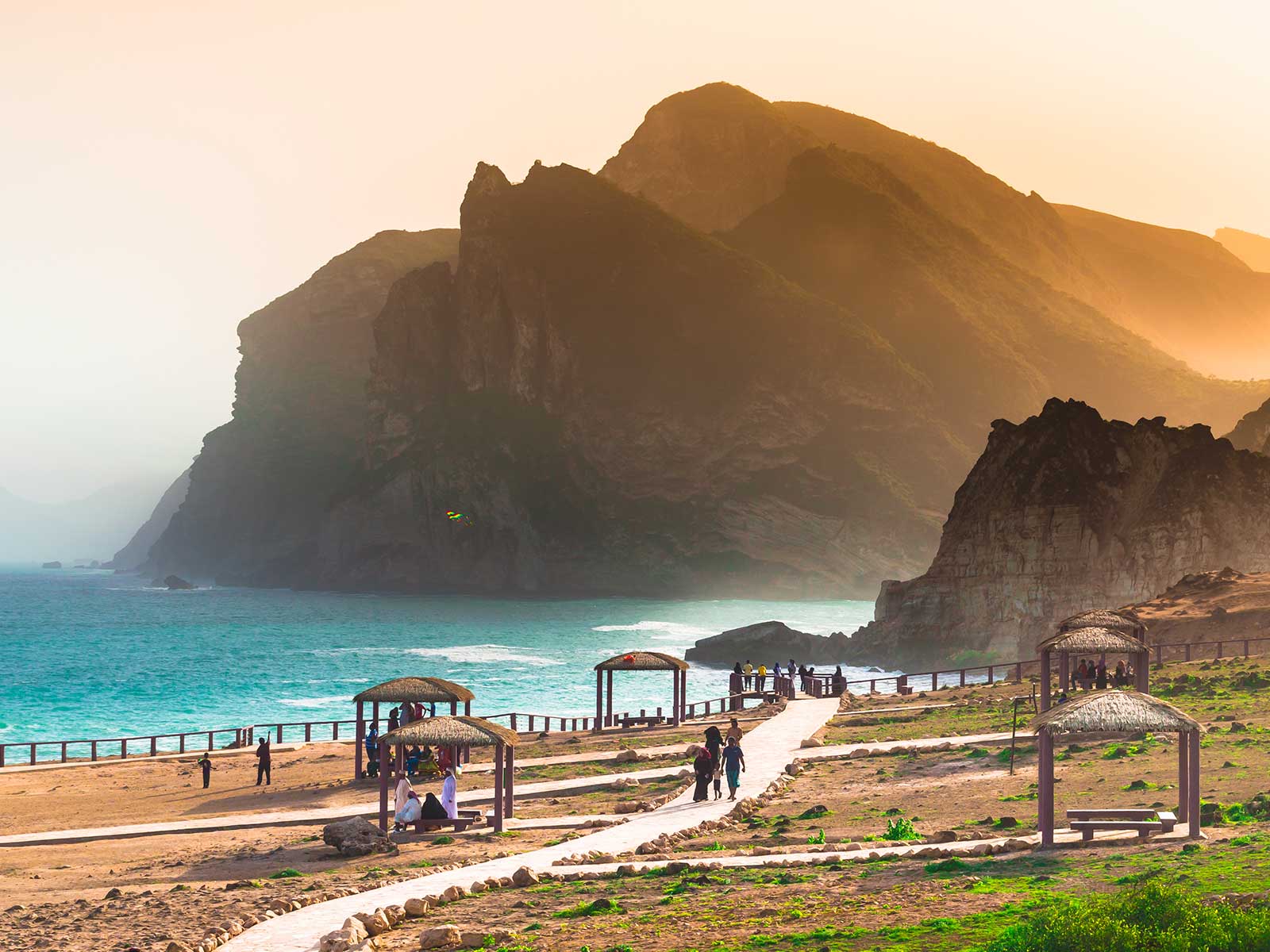
The Dhofar region, home to Salalah, experiences the unique Khareef (monsoon) season from late June to early September. During this time, the region is transformed by misty rains and lush greenery, a stark contrast to the rest of the arid Arabian Peninsula. This makes Salalah a popular domestic and regional tourist destination during summer.
- Activities:Enjoy the cool, misty weather, explore verdant mountains and waterfalls, visit traditional markets, and relax by the surprisingly green landscape. It’s a completely different side of Oman.
- Considerations:While the weather is cooler and misty, visibility can be reduced, and some popular sites might be crowded with local tourists.
Mountain Retreats: Higher Altitude Comfort
Even during the scorching summer, Oman's higher mountain regions like Jebel Al Akhdar and Jebel Shams offer a significant reprieve from the heat. Temperatures here can be 10-15°C (18-27°F) cooler than in the plains, making them viable options for a summer escape.
- Activities:Enjoy scenic drives, short hikes in the cooler mornings or evenings, and relax at mountain resorts. The views are spectacular year-round.
- Considerations:While cooler, it can still be quite warm during the peak of the day. Remember to pack layers for the evenings, which can still get chilly at higher elevations.
Fun Fact:The temperatures on Jebel Al Akhdar are cool enough to grow pomegranates, walnuts, and roses, a rarity in the Arabian Peninsula.
Planning Your Omani Adventure
Regardless of when you choose to visit, a few practical tips will ensure a smoother trip:
- Book Ahead:Especially during the peak winter season and Salalah's Khareef, popular accommodations and tours can fill up quickly.
- Dress Appropriately:Oman is a conservative country. Modest clothing is respectful and often more comfortable in the heat. Pack light, breathable fabrics, and consider layers for cooler evenings or mountain excursions.
- Stay Hydrated:Always carry water, especially if you plan outdoor activities, regardless of the season.
- Respect Local Customs:Be mindful of local traditions and Islamic culture, particularly when visiting religious sites.
Conclusion: Your Perfect Omani Journey Awaits
Oman's diverse climate and breathtaking landscapes offer something for every traveler, no matter the season. For most, the mild winter months from October to April provide the ideal conditions for exploring the country's vast array of attractions, from desert dunes to ancient forts and vibrant wadis. However, if you're seeking a unique summer experience, the lush monsoon season in Salalah or the refreshing mountain air of Jebel Al Akhdar present compelling alternatives. By understanding Oman's seasonal rhythms, you can tailor your visit to create an unforgettable adventure in this jewel of the Arabian Peninsula.