
Viking History in Norway: Museums, Sites & Heritage
Norway, a land of breathtaking fjords and dramatic landscapes, is also the undisputed heartland of the Vikings. Delve into the fascinating sagas of the Norsemen, exploring ancient burial sites, world-class museums, and vibrant cultural experiences that bring this legendary era to life.
Tracing the Roots of the Norsemen
The Viking Age (c. 793–1066 AD) saw Norse explorers, traders, and warriors leave an indelible mark across Europe and beyond. In Norway, their legacy is woven into the very fabric of the nation, from its language and customs to its archaeological treasures. Discover where fierce chieftains ruled, magnificent longships were built, and powerful sagas unfolded.
Oslo: The Gateway to Viking Treasures
Norway’s capital city, Oslo, serves as an essential starting point for any Viking history enthusiast, hosting significant collections and sites.
Museum of the Viking Age & The Historical Museum
While the renowned Viking Ship Museum is currently closed as it undergoes a transformation into the new Museum of the Viking Age (expected to open in 2026), its precious artifacts are being carefully preserved and prepared for their grand unveiling. During this period, visitors can still immerse themselves in Norse history at the Historical Museum in central Oslo.
Here, you'll find an impressive array of Viking Age artifacts, including intricate jewelry, weapons, and everyday objects that offer a glimpse into the daily lives and craftsmanship of the Norse people. It provides a crucial context for understanding the broader Viking narrative while awaiting the new museum's completion.
Did you know?The new Museum of the Viking Age will be a state-of-the-art facility designed to house and display the world's best-preserved Viking ships – the Oseberg, Gokstad, and Tune ships – alongside thousands of other artifacts, using cutting-edge exhibition technology.
Rogaland: The Birthplace of a Kingdom
The southwestern region of Rogaland holds immense significance in Norway's Viking history, particularly around Stavanger, where some of the most iconic events took place.
Swords in Rock (Sverd i fjell)
Just outside Stavanger, you’ll find the striking monument ofSverd i fjell(Swords in Rock). This powerful memorial commemorates the Battle of Hafrsfjord in 872 AD, where Harald Fairhair united Norway into a single kingdom. Three massive bronze swords, standing ten meters tall, are planted into the rock beside the fjord, symbolizing peace, unity, and freedom.
Avaldsnes: Norway's Oldest Royal Seat
On the island of Karmøy, near Haugesund, lies Avaldsnes, which was considered Norway's oldest royal seat and a key strategic point along the Norwegian coastal route. For centuries, kings and chieftains controlled the bustling shipping lane known as the Nordvegen – "the way to the North," from which Norway derives its name.
Today, the Viking Farm at Avaldsnes is a reconstructed settlement showcasing longhouses, workshops, and traditional crafts, offering an authentic, living history experience. Nearby, the Nordvegen History Centre provides deeper insights into the area's rich past, from the Bronze Age through to the medieval period, with a strong focus on its Viking rulers.
Lofoten Islands: Where Vikings Roamed the Arctic Seas
Far north, amidst the dramatic peaks and turquoise waters of the Å and Lofoten islands archipelago, lies a remarkable testament to Viking life.
Lofotr Viking Museum
At Borg in Lofoten, archaeologists unearthed the largest Viking longhouse ever found, dating back to 500 AD. The magnificent Lofotr Viking Museum has meticulously reconstructed this 83-meter-long chieftain's abode, offering an immersive journey back in time. Visitors can explore the longhouse, interact with "Vikings" in period costume, witness traditional crafts, and even row a replica Viking ship on the museum's lake. It’s an unforgettable experience that truly brings the harsh and beautiful realities of Viking life in the Arctic to the forefront.
Vestfold: Burial Mounds and Royal Power
The Vestfold region, south of Oslo, is historically significant for its rich Viking burial sites, particularly the area around Borre.
Borre National Park & Midgard Viking Centre
Borre National Park is home to one of Norway’s most important collections of monumental burial mounds, remnants of powerful Viking chieftains and kings. The Midgard Viking Centre, located within the park, serves as an educational hub, delving into the history of the Vestfold region during the Viking Age. It offers interactive exhibitions, a reconstructed Viking feast hall (Gildehallen), and guided tours of the burial mounds, providing a comprehensive understanding of the social and political structures of the time.
Bergen: A Merchant City with Viking Foundations
While Bergen’s most visible historical layers are medieval, its strategic location and trading prowess have roots in the Viking Age.
Exploring Bryggen's Past
The iconic wooden houses of Bryggen, a UNESCO World Heritage site, represent the city's Hanseatic past, but Bergen itself was founded around 1070 AD, at the very end of the Viking Age. Its natural harbor and access to trade routes made it a vital hub long before the Hanseatic League. While specific Viking-era structures are scarce due to fires and rebuilding, archaeological excavations continue to reveal traces of earlier settlements, connecting this vibrant city to its Norse origins.
Experiencing the Viking Age Today
Beyond museums and archaeological sites, Norway offers numerous ways to actively engage with its Viking heritage.
Festivals and Reenactments
Throughout the summer months, various Viking festivals and markets take place across Norway. These events feature historical reenactments, traditional music, storytelling, and craftsmanship, allowing visitors to step into a vibrant, living representation of the Viking world. Popular festivals include the Midgard Viking Festival at Borre and the Gudvangen Viking Market near the Sognefjord.
Longships and Traditional Crafts
Many sites and museums offer demonstrations of traditional Viking crafts, such as blacksmithing, woodworking, and textile production. You might also encounter impressive replicas of Viking longships, some of which offer short cruises, giving you a sense of the vessels that carried the Norsemen across oceans.
Planning Your Viking Journey
To make the most of your exploration into Norway's Viking past, consider these tips:
- Timing:Summer (June-August) offers the best weather for outdoor sites and festivals. Spring and autumn provide fewer crowds and beautiful scenery.
- Accessibility:Most major Viking sites are accessible by car or public transport. Consider renting a car for flexibility, especially in rural areas like Lofoten or Rogaland.
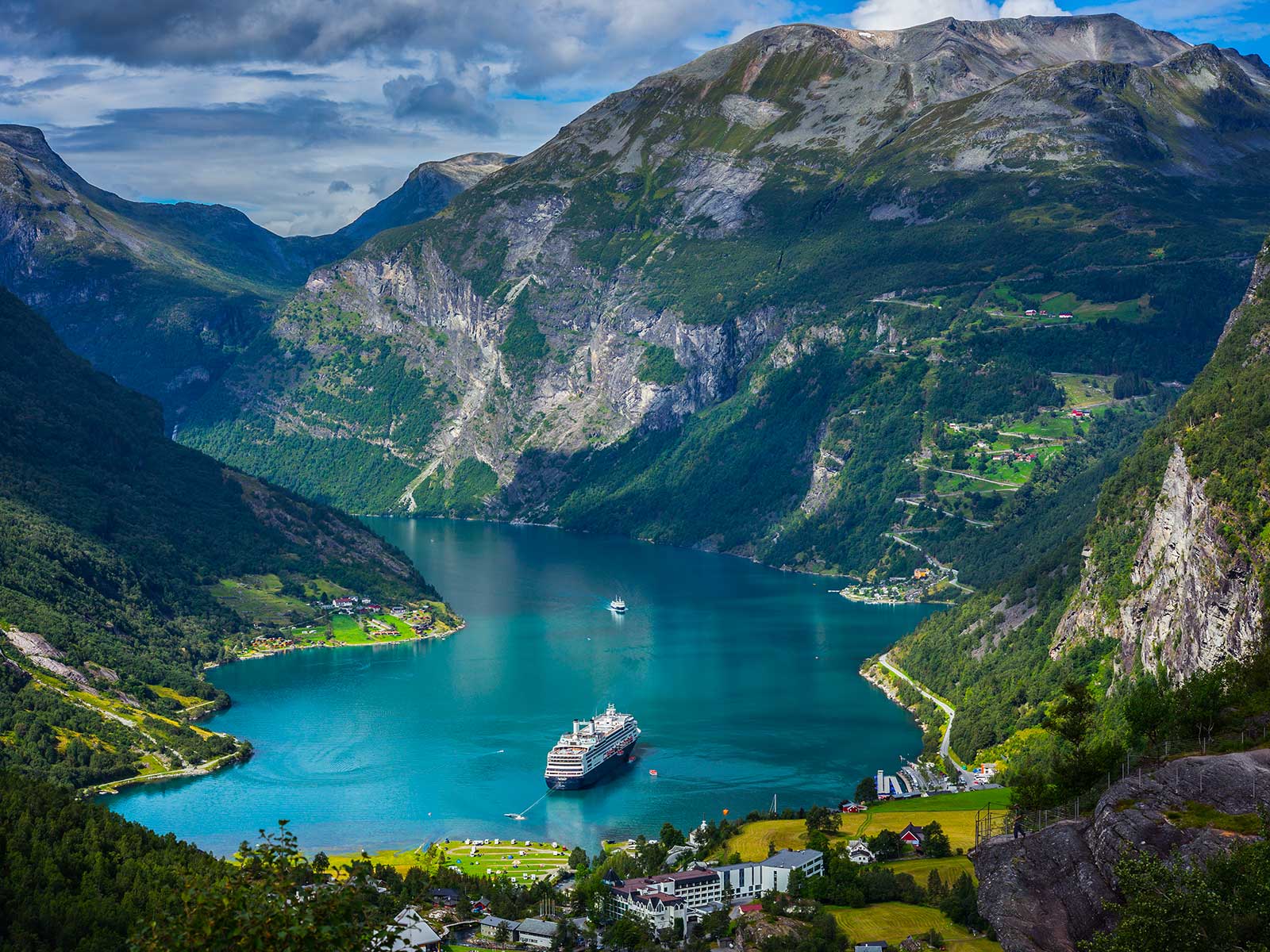
- Combining History with Nature:Easily combine your Viking adventure with Norway’s stunning natural wonders. Explore the dramatic cliffs of Geirangerfjord or sail through the serene waters of the Sognefjord, imagining the longships that once navigated these very same routes. Inland, the Lillehammer region also offers glimpses into Norway's deep cultural history, albeit from a later period.
- Local Guides:Enhance your experience by joining guided tours, often led by passionate experts who can share detailed insights and captivating stories.
The Enduring Legacy
Norway's Viking heritage is not just a collection of old stories and artifacts; it's a living, breathing part of its national identity. From the fierce warriors and skilled navigators to the innovative artisans and sagacious rulers, the Vikings have left an extraordinary legacy. Exploring these sites and museums offers a profound connection to a pivotal era that shaped not only Norway but much of the world beyond its shores.