
Understanding Norwegian Culture: Customs, Traditions & Etiquette for Travelers
Venturing into Norway offers breathtaking landscapes, from dramatic fjords to vibrant cities, but truly enriching your journey means understanding its unique cultural fabric. Norwegians are known for their deep connection to nature, strong sense of community, and subtle yet distinct social norms that, once understood, can unlock a more authentic and enjoyable travel experience.
The Essence of Norwegian Culture
Norwegian culture is shaped by centuries of living in harmony with a powerful landscape, fostering a spirit of independence, resilience, and community. Key pillars include a strong emphasis on equality, a love for the outdoors, and a certain reserved modesty often summarized byJanteloven, a social code encouraging humility and discouraging individual boasting. This collective ethos values quiet competence over overt display.
Social Etiquette: Navigating Interactions
While generally welcoming, Norwegians appreciate respect for their customs. Understanding these nuances can make your interactions smoother and more pleasant.
Greetings and Introductions
- Handshakes:A firm handshake is common upon introduction, accompanied by direct eye contact.
- Directness:Norwegians tend to be direct and honest in their communication. This isn't rudeness; it's a preference for clarity.
- First Names:It's common to use first names even in formal settings.
Politeness and Personal Space
Norwegians are generally reserved. They value personal space, so avoid overly familiar gestures with strangers. While not overly chatty with unfamiliar people, they are very helpful if you ask for directions or assistance. Queueing politely and waiting your turn is expected.
Dining Etiquette
Dining in Norway, whether in a private home or a restaurant, follows certain unspoken rules:
- Punctuality:Being on time, or even a few minutes early, is highly valued, especially when invited to someone's home.
- Host Gifts:If invited for dinner, it's customary to bring a small gift for the host, such as flowers, a bottle of wine, or chocolates.
- Toasts:If someone toasts you, it's polite to make eye contact with everyone at the table, take a sip, and then make eye contact again. The host usually initiates the first toast.
- Splitting Bills:In restaurants, it's common for friends to split bills evenly, especially among younger generations, rather than meticulously calculating individual items.
Tipping
While tipping is not deeply ingrained in Norwegian culture like in some other countries, it is appreciated for exceptional service in restaurants and taxis. A gratuity of 5-10% for good service is a kind gesture, but never obligatory.
Traditions and Celebrations: Joining the Festivities
Norwegian traditions are often deeply tied to family, community, and the changing seasons.
Constitution Day (Syttende Mai)
The 17th of May is Norway's National Day, celebrating its constitution. It's a joyful, family-friendly celebration marked by children's parades, brass bands, and people dressed in traditional folk costumes (bunad). If you're in a city like Oslo or a charming town like Lillehammer during this time, it's an unforgettable experience.
Christmas (Jul)
Christmas is a deeply cherished family holiday, observed from Christmas Eve through the New Year. Traditions include special meals likeribbe(pork ribs) orpinnekjøtt(salted lamb ribs), decorating with lights and ornaments, and spending quality time with loved ones.
Midsummer (Sankthansaften)
Celebrated around June 23rd, Midsummer's Eve marks the longest day of the year. Families gather for bonfires, barbecues, and outdoor festivities, especially along the coast and by lakes. It's a time to embrace the bright summer nights.
Outdoor Culture (Friluftsliv)
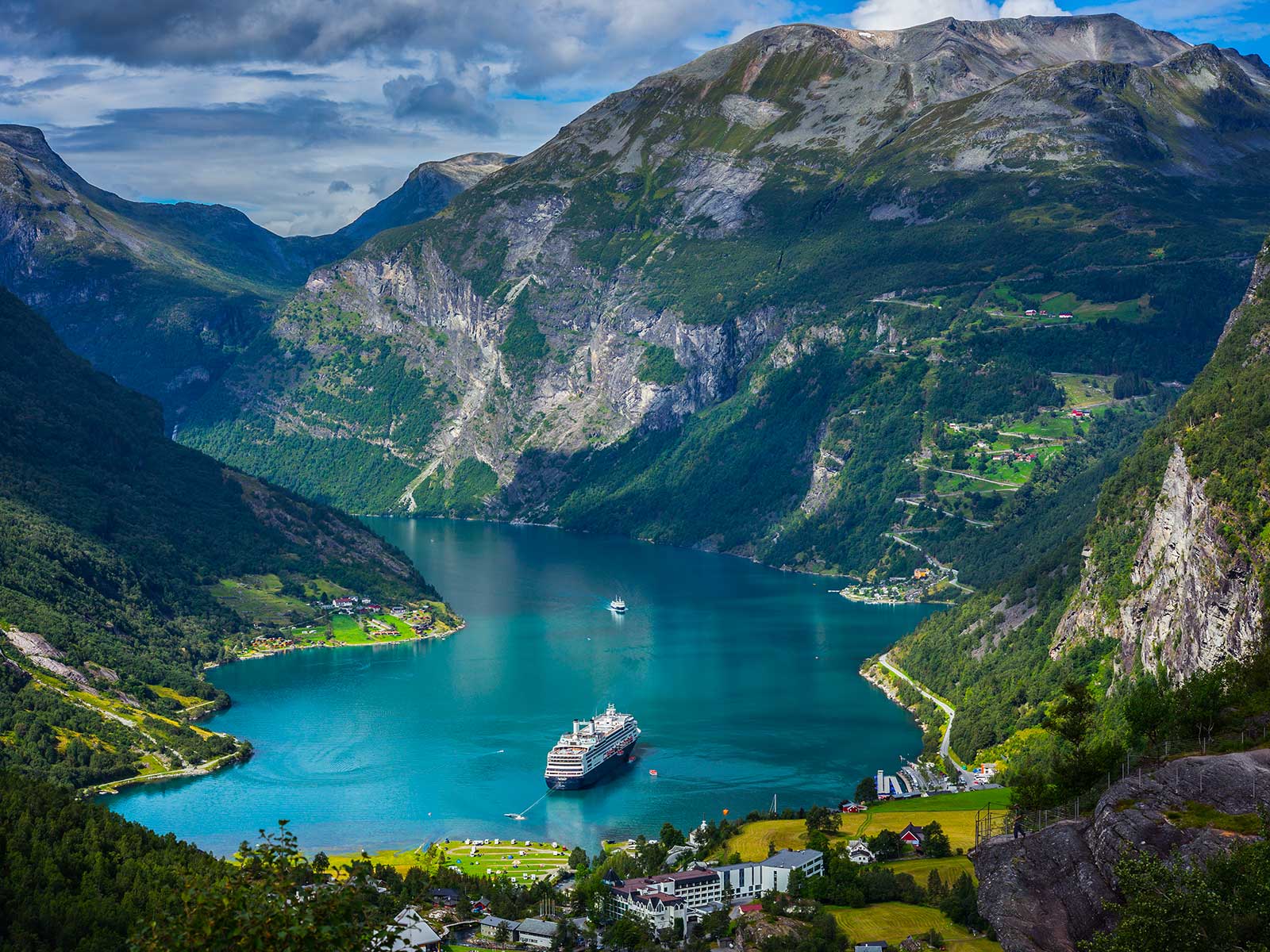
Perhaps the most defining aspect of Norwegian culture isfriluftsliv– a profound love for the outdoors and a philosophy of spending time in nature. This isn't just about extreme sports; it's about appreciating fresh air, natural beauty, and the peace it brings. You'll see Norwegians hiking, skiing, cycling, and fishing year-round. Iconic locations like the Sognefjord,Geirangerfjord, and the hike to Pulpit Rock(Preikestolen) embody this spirit. Even in the Arctic north, around Tromsø or the Lofoten Islands, outdoor activities thrive.
Practical Tips for Travelers
Being aware of these practical considerations will help you seamlessly integrate into Norwegian life.
Respect for Nature
Norway's pristine natural environment is highly valued. The concept ofallemannsretten(the everyman's right to roam) grants access to uncultivated land, but with it comes the responsibility to "leave no trace." Stick to marked trails, don't disturb wildlife, and take all your rubbish with you. This applies whether you're exploring the majestic Sognefjord or hiking near the Briksdalsbre glacier.
Punctuality
Norwegians are generally very punctual. If you have an appointment or are meeting someone, aim to arrive on time. Delays are usually communicated in advance.
Language
While Norwegian is the official language, English is widely spoken, especially among younger generations and in tourist areas. Learning a few basic Norwegian phrases like "Takk" (thank you) and "Hei" (hello) will always be appreciated.
Dress Code
Practicality trumps formality in Norway, especially given the changeable weather. Layers are key. For city exploration, smart casual is generally appropriate. For outdoor activities, functional, waterproof, and warm clothing is essential, even in summer. If visiting the Oslo Opera House or a fine restaurant, slightly more formal attire might be chosen, but it's rarely a strict requirement.
Alcohol
Alcohol sales and consumption are strictly regulated in Norway. Beer is available in supermarkets until certain hours, but wine and spirits can only be purchased at state-run Vinmonopolet stores, which have limited opening hours. Alcohol is also significantly more expensive than in many other countries, reflecting a public health approach.
Sustainability
Norway is a leader in environmental protection and sustainability. Travelers are encouraged to minimize their impact, support local businesses, and respect efforts to preserve the country's natural beauty and resources.
Common Misconceptions to Avoid
- Myth: All Norwegians are Vikings.While a rich Viking heritage exists, modern Norwegians are diverse and have evolved considerably since the Viking Age.
- Myth: It's always cold.While winters can be harsh, especially in regions like Svalbard, Norway experiences four distinct seasons. Summers, particularly in the south, can be quite warm and pleasant.
- Myth: Norwegians are unfriendly.Their reserved nature can sometimes be misinterpreted. Once you break the ice, you'll find them warm, loyal, and incredibly helpful.
Embracing the Norwegian Way
By understanding and respecting Norwegian customs, you'll not only avoid potential misunderstandings but also gain a deeper appreciation for this magnificent country and its people. Embrace the quiet beauty, the love for nature, and the genuine hospitality, and your Norwegian adventure will be truly unforgettable.