
Tromsø Northern Lights: Complete Guide + Tour Options
Tromsø, often dubbed the "Gateway to the Arctic," stands as one of the world's premier destinations for witnessing the spectacular Northern Lights. This comprehensive guide provides everything you need to know, from understanding the aurora to choosing the perfect tour, ensuring your chase for the celestial dance is as magical as possible.
Why Tromsø is the "Gateway to the Arctic" for Aurora Hunters
Tromsø's prime location, nestled deep within the Arctic Circle at 69° North latitude, offers an unparalleled advantage for Northern Lights viewing. Its unique geography means it sits directly within the auroral oval, the band where the aurora borealis is most frequently seen. Beyond its scientific advantages, Tromsø boasts excellent infrastructure, making it easily accessible and providing a comfortable base for your Arctic adventure.
Best Time to See the Northern Lights in Tromsø
The Aurora Season
The Northern Lights season in Tromsø typically runs fromSeptember to mid-April. During these months, the Arctic night is long and dark enough to allow the aurora to become visible. The peak months, often cited for the highest chances, are fromNovember to February, when the nights are longest and the skies are often clearest. However, memorable displays can occur throughout the entire season.
Daily Timing
While the aurora can appear at any time during the dark hours, the most common period for sightings is between10 PM and 1 AM. However, persistence is key; some of the most breathtaking displays have occurred much earlier or later. It's crucial to be patient and keep an eye on the sky whenever conditions are favorable.
Fun Fact:The Sami people, indigenous to parts of Norway, Sweden, Finland, and Russia, traditionally believed the Northern Lights were the souls of the dead or spirits, and it was considered bad luck to wave at them.
Understanding the Northern Lights (Aurora Borealis)
The Northern Lights, or Aurora Borealis, are a natural light display in the Earth's sky, predominantly seen in high-latitude regions. They are caused by disturbances in the magnetosphere by solar wind. These disturbances are caused by a stream of charged particles (electrons and protons) from the sun, known as the solar wind, colliding with atoms and molecules in Earth's upper atmosphere. The energy released during these collisions excites the atoms and molecules, causing them to emit light.
- Green:The most common color, produced by oxygen atoms at lower altitudes (around 60 miles above Earth).
- Red:Rarer, produced by oxygen atoms at higher altitudes (over 150 miles).
- Blue/Purple:Produced by nitrogen molecules, often seen at the lower edges of the aurora.
Maximizing Your Chances: Tips for a Successful Chase
Weather is Key
Clear skies are paramount for seeing the Northern Lights. Even with strong solar activity, heavy cloud cover will obscure the view. Always check local weather forecasts and aurora forecasts (which predict solar activity) before heading out. Many tours actively chase clear skies, driving to different locations to escape localized cloud cover.
Patience and Persistence
The aurora is a natural phenomenon and inherently unpredictable. There are no guarantees. Your best strategy is to dedicate multiple nights to the chase if possible. Don't get discouraged if you don't see them on the first attempt; the reward of witnessing them dance across the sky is truly worth the effort.
Dress Warmly
Tromsø's Arctic winter can be severely cold, especially when standing still for extended periods outdoors. Layering is essential: start with thermal base layers, add warm mid-layers (fleece or wool), and finish with a waterproof and windproof outer shell. Don't forget warm socks, insulated boots, a hat that covers your ears, and thick gloves or mittens. Many tour operators provide thermal suits, but your personal layers are crucial for comfort.
Photography Tips
Capturing the aurora on camera requires specific settings. A sturdy tripod is essential, along with a camera that allows manual settings (long exposure, high ISO, wide aperture) and a wide-angle lens. While getting the perfect shot is rewarding, remember to take time to simply observe and immerse yourself in the moment. Sometimes, the naked eye experience is far more impactful than any photograph.
Tromsø Northern Lights Tour Options
While it's possible to hunt for the aurora independently, joining a guided tour significantly enhances your chances and overall experience. Local guides possess invaluable knowledge of the best viewing spots, weather patterns, and road conditions, often providing transport, warm clothing, and hot drinks.
Bus Tours
These are typically the most budget-friendly option, accommodating larger groups. Bus tours cover extensive areas, often driving hundreds of kilometers to find clear skies. They usually include a guide, and sometimes a hot drink and snack. They are a great way to cover ground and maximize clear sky opportunities.
Minibus/Van Tours
Offering a more intimate experience with smaller groups, minibus tours provide greater flexibility. Guides often offer more personalized attention, including photography assistance and more in-depth explanations. Many include warm thermal suits, hot beverages, and sometimes a light meal around a campfire.
Dog Sledding/Reindeer Sledding Tours
Combine the thrill of an Arctic adventure with the magic of the Northern Lights. These tours allow you to mush your own team of huskies or be pulled by reindeer through snowy landscapes, often ending at a wilderness camp where you await the aurora. It's a truly immersive Arctic experience. For more remote Arctic experiences, consider visiting the Svalbard islands, though Tromsø offers excellent opportunities here too.
Fjord Cruises/Sailing Tours
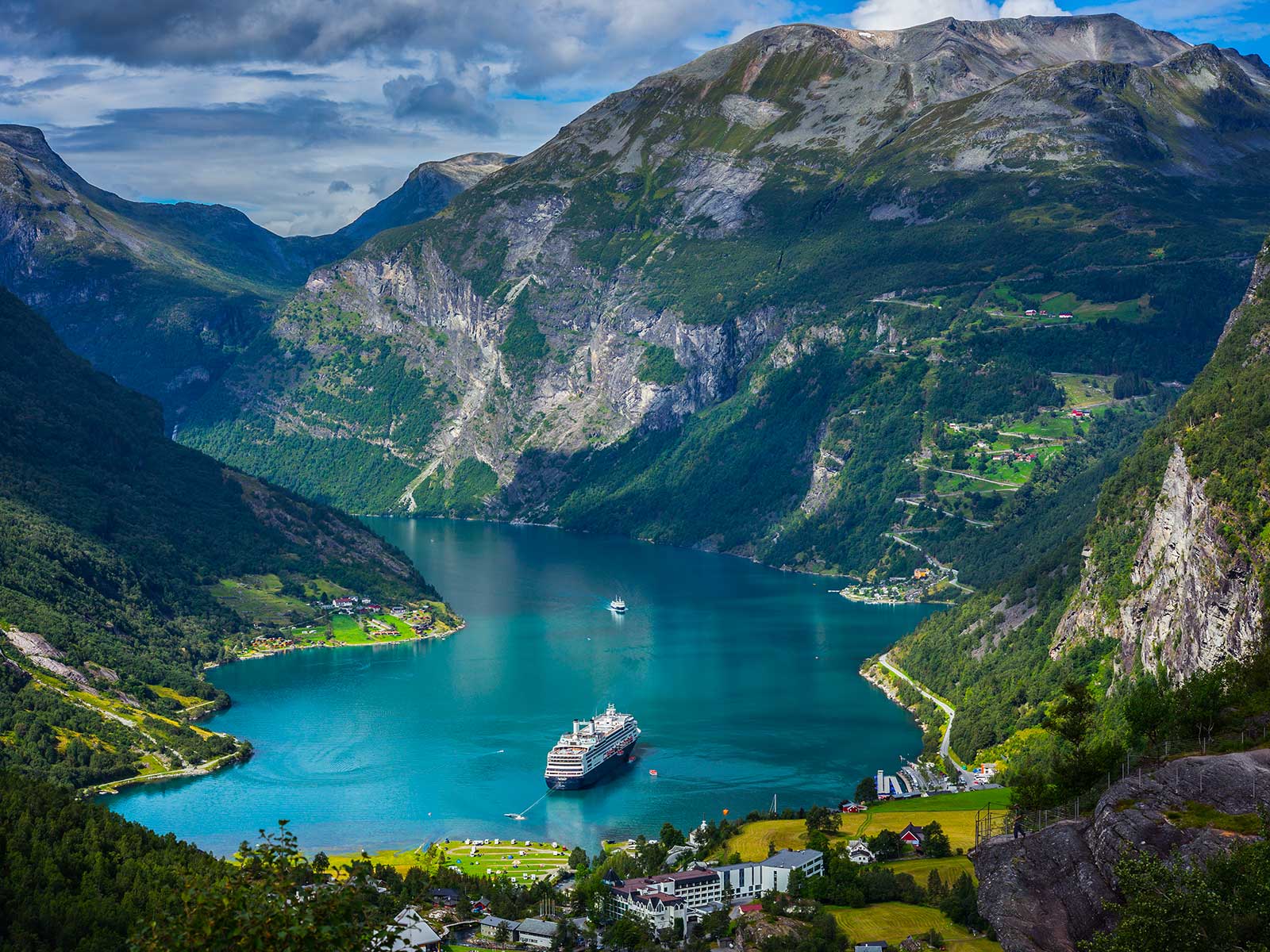
Experience the aurora from a different perspective on the tranquil waters of the fjords surrounding Tromsø. Away from city lights, the reflections on the water can add to the spectacle. These tours often include dinner and provide a warm, comfortable environment to wait for the lights. While in Norway, exploring other majestic fjords like Sognefjord or Geirangerfjord is also highly recommended for their scenic beauty.
Snowmobile Tours
For the adventurous, a snowmobile tour takes you deep into the wilderness, far from any light pollution. Guides lead you across vast, snow-covered plains, offering thrilling rides and unique vantage points for aurora viewing. These tours usually include all necessary equipment, including thermal suits and helmets.
Sami Cultural Experiences
Some tours combine the aurora chase with an introduction to Sami culture. You might visit a Sami camp, learn about their traditions, interact with reindeer, and enjoy a traditional meal in a lavvu (Sami tent) while waiting for the Northern Lights to appear. It's a wonderful way to connect with the local heritage.
Self-Drive Options
For those preferring complete independence, renting a car allows you to chase the lights at your own pace. This requires confidence in winter driving conditions, knowledge of potential viewing spots, and diligent monitoring of weather and aurora forecasts. Ensure your rental car is equipped with appropriate winter tires and consider practicing driving on snow and ice before venturing far from Tromsø.
Beyond the Aurora: What Else to Do in Tromsø
While the Northern Lights are undoubtedly the main draw,Tromsø offers a wealth of other activities to enrich your Arctic adventure. Take the Fjellheisen cable car for panoramic views of the city and surrounding islands, visit the Arctic Cathedral, or explore Polaria, the world's northernmost aquarium. Winter activities like whale watching, snowshoeing, and cross-country skiing are also popular, ensuring there's never a dull moment even when the aurora is elusive.
Embrace the Arctic Magic
Chasing the Northern Lights in Tromsø is an unforgettable experience, a journey into the heart of Arctic wonder. With the right preparation, a dash of patience, and perhaps a guided tour, you stand an excellent chance of witnessing one of nature's most spectacular displays. Embrace the cold, look to the sky, and prepare to be mesmerized by the dancing colors of the aurora borealis.