
Norwegian Culture: Hygge, Outdoor Life & Social Equality
Norway is a land of stunning natural beauty, but its true heart lies in its unique cultural fabric. From the comforting embrace ofhyggeto the invigorating spirit offriluftslivand a deeply ingrained commitment to social equality, Norwegian culture offers a fascinating blend of resilience, community, and respect for both nature and one another.
Hygge: The Art of Cozy Well-being
While often associated with Denmark,hygge(pronounced HOO-gah) is a vital concept in Norwegian culture, particularly during the long, dark winters. It’s more than just coziness; it’s about creating an atmosphere of warmth, comfort, and contentment, fostering a sense of well-being and connection with loved ones.
For Norwegians, hygge is deeply practical. It’s about making the most of indoor life when the weather outside is formidable. This often involves:
- Candles and Soft Lighting:Creating a warm, inviting glow.
- Warm Drinks:Coffee, tea, or hot chocolate shared with friends and family.
- Comfort Food:Simple, hearty meals, often homemade.
- Good Company:Enjoying conversation and laughter in a relaxed setting.
- Cozy Textiles:Blankets, wool socks, and comfortable sweaters.
Hygge isn't exclusive to winter; it can be found in a summer cabin by a fjord or a gathering around a bonfire on a cool evening. It's about appreciating the small, simple pleasures and finding joy in everyday moments, fostering a sense of belonging and peace.
Tip:To experience Norwegian hygge, visit a local café, especially during winter. Order a coffee and a pastry, and simply soak in the warm, inviting atmosphere.
Friluftsliv: Embracing the Outdoor Life
In stark contrast to hygge's indoor comfort,friluftsliv(pronounced FREE-loofts-leev) embodies the Norwegian passion for the outdoors. Meaning "free air life," it's a philosophy that encourages spending time in nature, regardless of the weather, for physical and mental well-being. This deep connection to nature is fundamental to the Norwegian identity.
From an early age, Norwegians are encouraged to engage with their natural surroundings. This isn't about extreme sports (though those are popular too), but about enjoying nature in its simplest forms:
- Hiking:Exploring trails through forests, mountains, and along fjords like the Sognefjord or the dramatic landscapes around Pulpit Rock.
- Skiing:Cross-country skiing is a national pastime, with vast networks of trails available even near major cities. Downhill skiing is also popular, with resorts found across the country, including areas near Lillehammer.
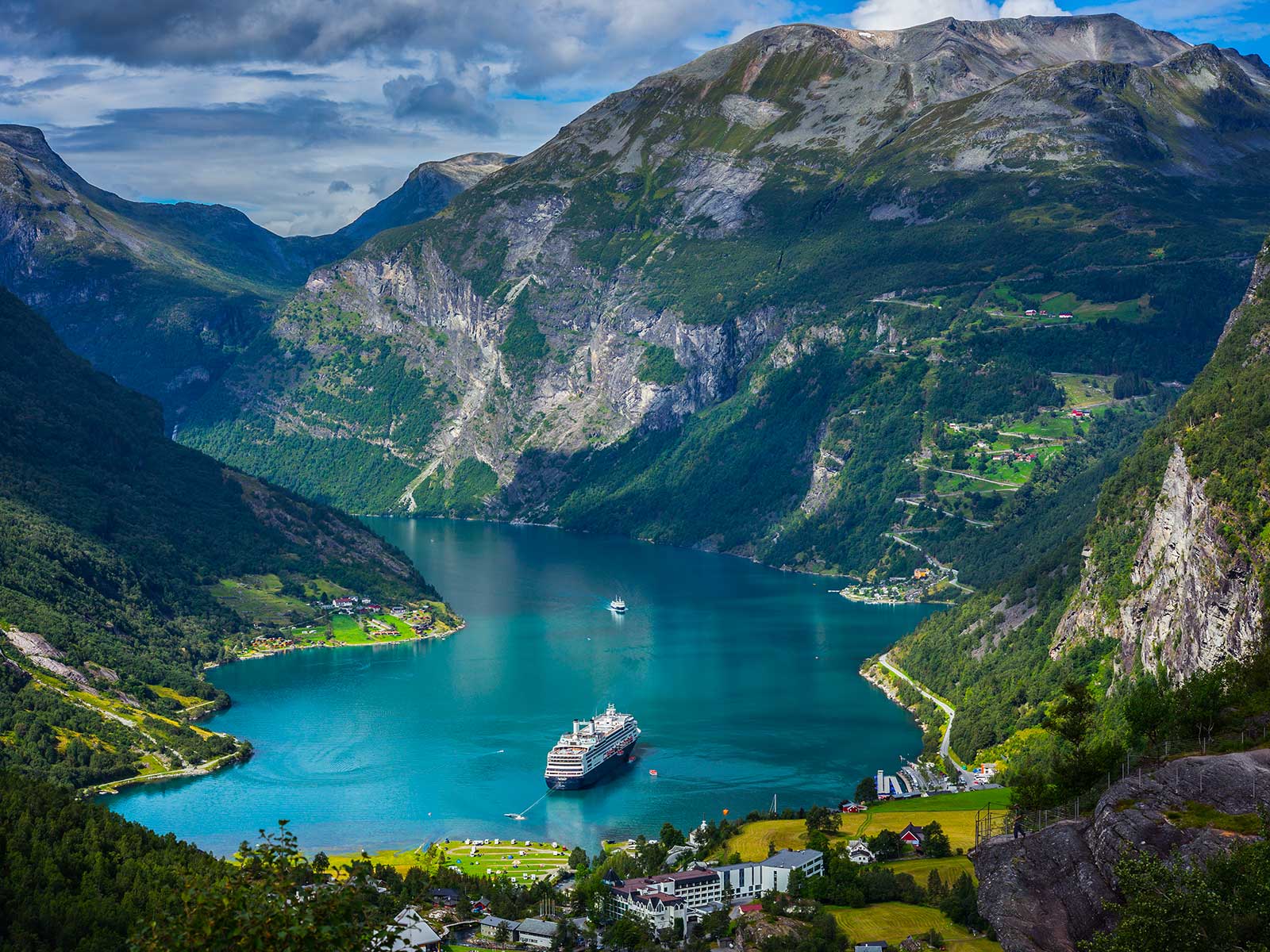
- Boating & Kayaking:Exploring the numerous lakes, rivers, and coastal waters, including the stunning Geirangerfjord or the picturesque Å and Lofoten islands archipelago.
- Fishing & Foraging:Many Norwegians enjoy fishing in lakes and fjords or foraging for berries and mushrooms in the autumn.
A key aspect of friluftsliv isallemannsretten, the "right to roam." This unique law grants public access to uncultivated land, allowing people to hike, camp, and forage almost anywhere, provided they respect nature and private property. This freedom underpins the pervasive outdoor culture.
Social Equality & Community Spirit
Norway is renowned for its high quality of life and commitment to social equality. This value is deeply embedded in the nation’s social and political structures, fostering a strong sense of community and collective responsibility.
The Welfare State Model
Norway operates a robust welfare state, providing universal healthcare, education, and social security. This system aims to reduce economic disparities and ensure that everyone has access to essential services and opportunities, regardless of their background.
Janteloven: Humility and Collective Good
The "Law of Jante" (Janteloven) is an unwritten code of conduct, originally from a Danish novel, that has historically influenced Scandinavian culture. While its negative aspects (discouraging individual ambition) are increasingly challenged, its core message of humility and not thinking oneself better than others still resonates in the Norwegian emphasis on equality and collective well-being. It reinforces the idea that everyone is equal and contributes to the community.
Flat Hierarchies and Trust
In Norwegian workplaces and social settings, hierarchies tend to be flatter than in many other countries. Decision-making often involves consensus, and there's a strong emphasis on trust and open communication. This fosters an environment where everyone's voice is valued, contributing to a sense of shared responsibility and respect.
Gender Equality
Norway is a global leader in gender equality, with high rates of female participation in the workforce, politics, and leadership roles. Progressive parental leave policies and accessible childcare further support this commitment, ensuring both parents can balance career and family life.
Key Values & Traits of Norwegian Society
Beyond these core pillars, several other traits define Norwegian culture:
- Punctuality & Reliability:Norwegians generally value promptness and expect commitments to be honored.
- Modesty & Humility:Boasting or excessive self-promotion is often frowned upon.
- Respect for Rules:There's a strong adherence to laws and social norms, contributing to an orderly society.
- Sustainability & Environmental Consciousness:Given their deep connection to nature, Norwegians are highly aware of environmental issues and are pioneers in green initiatives, from electric cars to sustainable energy. You can see this in how they preserve natural wonders like the Briksdalsbre glacier or the pristine environment of the Svalbard islands.
- Quiet Demeanor:While friendly, Norwegians can sometimes appear reserved to outsiders. Politeness and respect for personal space are highly valued.
Experiencing Norwegian Culture as a Visitor
As a visitor, you have ample opportunities to immerse yourself in Norwegian culture:
- Embrace the Outdoors:Join a hike, rent a kayak, or simply take a scenic drive along routes like The Atlantic Road. Dress in layers and be prepared for changing weather.
- Seek Out Hygge:Visit local cafes, enjoy a traditional Norwegian meal, or simply relax in a cozy setting.
- Explore Cities & Cultural Sites:Wander through historic areas like Bryggen in Bergen, marvel at the sculptures in The Vigeland Park in Oslo, or admire the modern architecture of the Oslo Opera House. Even in a northern city like Tromsø, you can find a blend of outdoor adventure and cozy indoor spaces.
- Engage with Locals:Norwegians are generally friendly and helpful, though they appreciate respect for their privacy. A polite greeting and a genuine interest in their culture will often open doors to pleasant interactions.
- Try Local Cuisine:Sample traditional dishes likefårikål(mutton and cabbage stew), fresh seafood, or the ubiquitous Norwegian brown cheese (brunost).
Norwegian culture is a captivating blend of rugged individualism and strong community ties, deeply rooted in its stunning natural landscape. By understanding and appreciatinghygge,friluftsliv, and the commitment to social equality, visitors can gain a richer, more profound insight into this remarkable Scandinavian nation.