
Norway Visa Requirements: Schengen Zone Entry
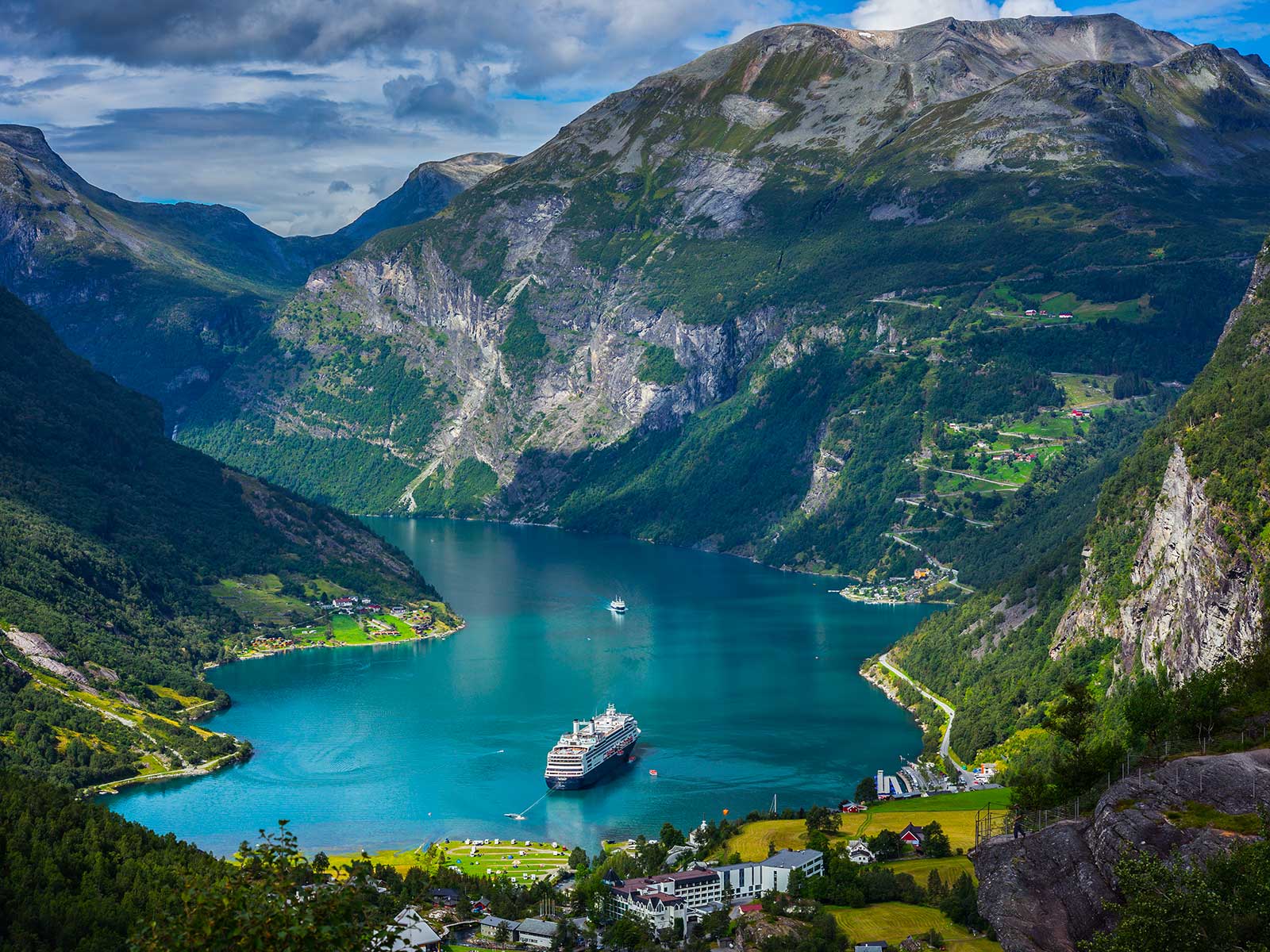
Dreaming of exploring Norway's majestic fjords, vibrant cities, or the ethereal Northern Lights? Before you pack your bags, understanding the Norway visa requirements is crucial. As a member of the Schengen Area, Norway adheres to common visa policies, simplifying travel across much of Europe but necessitating careful planning for many international visitors.
Understanding the Schengen Area
The Schengen Area is a zone comprising 27 European countries that have officially abolished all passport and all other types of border control at their mutual borders. It functions as a single jurisdiction for international travel purposes, based on a common visa policy.
While Norway is not a member of the European Union, it is part of the Schengen Area through its association with the Schengen Agreement. This means that if you obtain a Schengen visa for Norway, you are generally permitted to travel freely within all other Schengen member states for the duration of your visa, without needing separate visas for each country. This offers incredible flexibility for exploring destinations like the stunning Sognefjord, the historic Bryggen wharf in Bergen, or even venturing to other European cities.
Do You Need a Visa for Norway?
Whether you need a visa to enter Norway primarily depends on your nationality. Many countries have visa-exemption agreements with the Schengen Area, allowing their citizens to visit for short stays (up to 90 days within any 180-day period) without a visa. These typically include citizens from the USA, Canada, Australia, New Zealand, and many South American countries, among others. For all other nationalities, a Schengen visa is usually required.
It's vital to check the most up-to-date requirements for your specific country of citizenship through official Norwegian government immigration websites or the embassy/consulate in your home country. This is the definitive source for determining your individual needs.
Types of Schengen Visas for Norway
The most common type of visa for tourists and short-term visitors to Norway is the Short-Stay Schengen Visa (Type C). This visa allows you to stay in the Schengen Area for a maximum of 90 days within a 180-day period. It can be issued for:
- Tourism:Exploring the natural beauty from Geirangerfjord to the Lofoten Islands.
- Business:Attending meetings, conferences, or training.
- Visiting Family or Friends:Spending time with relatives or acquaintances.
- Cultural or Sports Events:Participating in or attending events.
Schengen visas can be single-entry, double-entry, or multiple-entry. A multiple-entry visa is ideal if you plan to leave and re-enter the Schengen Area several times during your trip, perhaps visiting the Svalbard islands(which has its own unique entry rules) and then returning to mainland Norway.
For stays longer than 90 days, or for specific purposes like work, study, or family reunification, you would need to apply for a national visa (Type D), which follows different rules and processes. This article focuses primarily on the Schengen short-stay visa.
Fun Fact:While part of the Schengen Area, the Norwegian archipelago of Svalbard has a unique visa policy. Foreign nationals generally do not need a visa to enter Svalbard, but you will still need a valid Schengen visa to transit through mainland Norway or other Schengen countries to reach Svalbard.
Required Documents for a Norway Schengen Visa Application
Applying for a Schengen visa requires meticulous preparation. Here's a comprehensive list of documents typically required:
- Schengen Visa Application Form:Fully completed, dated, and signed.
- Valid Passport:
- Must be valid for at least three months beyond your intended departure from the Schengen Area.
- Must have at least two blank pages for visa stamps.
- Must have been issued within the last 10 years.
- Two Recent Passport-Sized Photos:Meeting Schengen photo requirements (e.g., color, white background, taken within the last six months).
- Travel Medical Insurance:
- Valid for the entire duration of your intended stay.
- Valid throughout the entire Schengen Area.
- Minimum coverage of €30,000 for medical emergencies, hospitalization, and repatriation.
- Proof of Accommodation:Confirmed hotel bookings, invitation from a host (with proof of their residence), or rental agreements for your entire stay. This could include stays near Pulpit Rock,Tromsø for Northern Lights, or a city break in Oslo.
- Flight Itinerary:Round-trip flight reservations, including flight numbers and dates, showing entry and exit from the Schengen Area.
- Proof of Financial Means:Bank statements (for the last 3-6 months), salary slips, sponsor's letter, or other evidence demonstrating sufficient funds to cover your stay and return journey.
- Cover Letter:A personal letter explaining the purpose of your visit, your itinerary (e.g., visiting The Vigeland Park, exploring Briksdalsbre glacier), and your intention to return to your home country.
- Proof of Civil Status:Marriage certificate, birth certificates of children, etc. (if applicable).
- Proof of Employment/Studies (if applicable):
- Employed:Employment contract, recent bank statement, leave approval from employer.
- Self-employed:Business registration, bank statements.
- Student:Enrollment letter from your educational institution.
- Retired:Pension statements.
- For Minors:Birth certificate, consent letter from parents/legal guardians (if traveling alone or with one parent), copies of parents' passports.
The Application Process: Step-by-Step
Applying for a Norway Schengen visa typically involves these steps:
Step 1: Determine Your Visa Type and Where to Apply
Identify the correct visa type for your trip. Applications are usually submitted at the Norwegian embassy or consulate in your country of residence, or through an authorized visa application center (like VFS Global) which handles submissions on behalf of the embassy.
Step 2: Gather Your Documents
Collect all the necessary documents listed above. Ensure they are complete, up-to-date, and meet the specified requirements. Missing or incorrect documents are a common cause of delays or rejections.
Step 3: Complete the Online Application Form
Most Norwegian missions require you to fill out the application form online via the Norwegian Directorate of Immigration (UDI) portal. Print the completed form, as you will need to submit a signed hard copy.
Step 4: Schedule an Appointment
Book an appointment for your visa interview and document submission. This can often be done through the website of the embassy, consulate, or VFS Global. Appointments can fill up quickly, especially during peak travel seasons, so book well in advance.
Step 5: Attend Your Interview and Submit Biometrics
Attend your scheduled appointment. You will submit your documents, have your fingerprints and a digital photograph taken (biometrics), and may undergo a short interview about your travel plans. Be prepared to discuss your itinerary, including planned visits to places like Lillehammer or traversing the Atlantic Road.
Step 6: Pay the Visa Fee
The visa application fee must be paid at the time of submission. The fee is standardized across the Schengen Area, but variations may apply for certain categories (e.g., children). Remember that fees are non-refundable, even if your visa is denied.
Step 7: Await Decision
After your application is submitted, it will be processed. Processing times can vary depending on the embassy, the time of year, and the complexity of your case, but typically range from 15 to 45 calendar days. It's advisable to apply at least 3-4 months before your intended travel date.
Step 8: Collect Your Passport
Once a decision is made, you will be notified to collect your passport. If approved, your visa will be affixed to one of your passport pages.
Important Tips for a Successful Application
- Apply Early:Don't wait until the last minute. The earlier you apply, the better, especially if you plan to travel during peak season.
- Accuracy and Completeness:Double-check every detail on your application form and ensure all supporting documents are accurate and complete. Inconsistencies or missing information can lead to rejection.
- Proof of Ties to Home Country:Emphasize your strong ties to your home country (job, family, property) to assure the authorities you intend to return.
- Travel Insurance is Non-Negotiable:This is a mandatory requirement and provides crucial protection during your trip.
- Read Specific Embassy Guidelines:Always refer to the official website of the Norwegian embassy or consulate responsible for your region, as specific requirements can sometimes vary slightly.
- Don't Overstay:Adhere strictly to the "90 days in any 180-day period" rule. Overstaying can lead to fines, deportation, and future travel bans to the Schengen Area.
After Your Visa is Approved: Entering Norway
Even with a valid visa, final entry is at the discretion of the border control officer upon arrival in Norway. You should carry copies of all your supporting documents (hotel bookings, flight itinerary, invitation letter, proof of funds, travel insurance) with you when you travel. Be prepared to present these and answer questions about the purpose and duration of your visit. This ensures a smooth entry into the beautiful country of Norway.
With careful planning and attention to detail, securing your Norway Schengen visa can be a straightforward process, paving the way for an unforgettable adventure in this stunning Nordic nation.