
Northern Lights Photography Guide: Tips & Tricks for Capturing the Aurora in Norway
Witnessing the Northern Lights, or Aurora Borealis, is a bucket-list experience for many, and capturing its ethereal dance on camera is a rewarding challenge. Norway, with its vast Arctic landscapes and minimal light pollution, offers some of the world's best vantage points for this celestial spectacle. This guide will equip you with the knowledge and techniques to photograph the aurora like a pro.
Understanding the Aurora Borealis
The Northern Lights are a natural light display in the Earth's sky, predominantly seen in high-latitude regions. Caused by disturbances in the magnetosphere by solar wind, these disturbances cause ionized particles to collide with atmospheric gases, resulting in vibrant green, pink, and sometimes purple lights. In Norway, the aurora season typically runs from late September to late March, with the darkest hours between 9 PM and 2 AM offering the best viewing opportunities.
Fun Fact:The Sami people, indigenous to parts of Norway, Finland, and Sweden, believed the Northern Lights were the spirits of their ancestors or a powerful energy that should be respected and never whistled at.
Essential Gear for Aurora Photography
To successfully capture the Northern Lights, having the right equipment is paramount. Don't worry if you don't have the absolute top-tier gear; a good understanding of your camera and settings can go a long way.
- Camera Body:A DSLR or mirrorless camera with good low-light performance (high ISO capabilities) is ideal. Full-frame sensors generally perform better in low light than crop sensors.
- Lens:A wide-angle lens with a fast aperture (f/2.8 or wider, e.g., f/4) is crucial. A focal length between 14mm and 24mm (on a full-frame sensor) allows you to capture more of the sky and landscape.
- Sturdy Tripod:Absolutely non-negotiable! Long exposures require a stable platform to prevent blur. Ensure it can withstand cold and potentially windy conditions.
- Remote Shutter Release or Intervalometer:This prevents camera shake when pressing the shutter button and is essential for sharp images.
- Extra Batteries:Cold weather drains batteries rapidly. Keep spares warm in an inside pocket until needed.
- Headlamp with Red Light Mode:A headlamp is essential for setting up in the dark, but use a red light mode to preserve your night vision and avoid disturbing others.
- Warm Clothing:Dress in layers, including thermal underwear, a warm jacket, insulated trousers, waterproof outer layers, warm hat, gloves, and insulated boots. You'll be standing still in sub-zero temperatures.
- Lens Cloths:Condensation can be an issue.
Pre-Shoot Planning: Maximizing Your Chances
Preparation is key when hunting for the aurora. A little planning can significantly increase your chances of a successful shoot.
Location, Location, Location
Norway boasts numerous prime locations for aurora viewing. The areas within the Arctic Circle offer the best chances. Consider places like Tromsø, often dubbed the "Gateway to the Arctic," which provides a great base with organized tours. The stunning landscapes of the Å and Lofoten islands archipelago also offer incredible foregrounds for aurora photography, with dramatic mountains and picturesque fishing villages. For the ultimate remote experience, the Svalbard islands offer unique opportunities, though conditions are extreme.
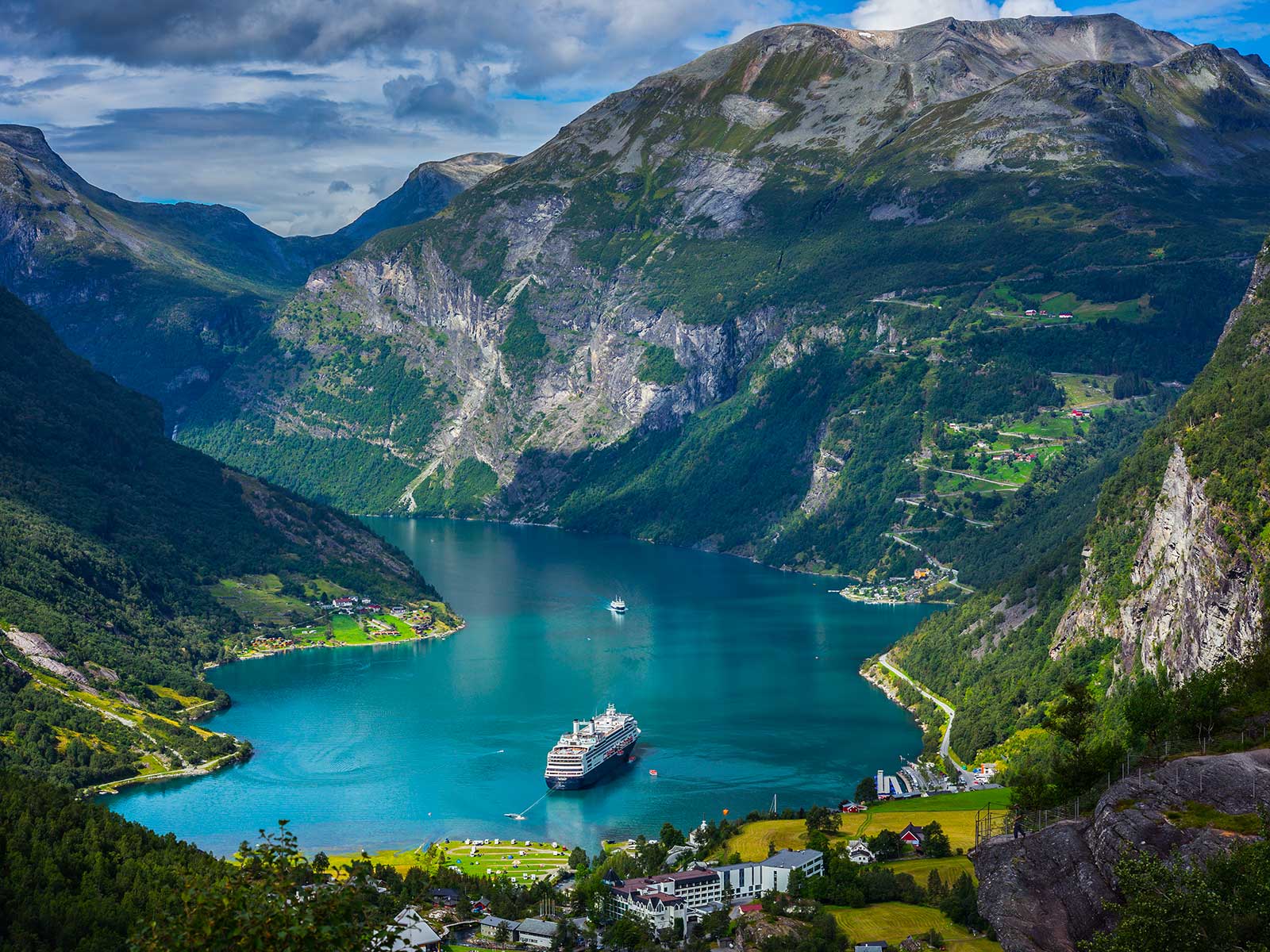
Look for spots away from city lights, with clear, unobstructed views of the northern sky. Fjords like Sognefjord or Geirangerfjord, while further south, can also offer beautiful backdrops if the aurora activity is strong enough to be seen.
Weather and Aurora Forecasts
Stay updated on both weather forecasts (for clear skies) and aurora forecasts (for geomagnetic activity). Websites and apps like NOAA's Space Weather Prediction Center or My Aurora Forecast provide Kp-index predictions, which indicate the strength of the aurora. Aim for a Kp-index of 3 or higher, combined with minimal cloud cover.
Scout Your Location
If possible, visit your chosen spot during daylight hours. This allows you to identify interesting foreground elements, plan your composition, and note any potential hazards in the dark. A lake, a lonely tree, a traditional cabin, or a mountain peak can add depth and interest to your aurora photos.
Camera Settings for Capturing the Aurora
Mastering your camera's manual settings is crucial for aurora photography. Here's a breakdown:
Manual Mode is Key
Switch your camera toManual (M) mode. This gives you full control over aperture, shutter speed, and ISO.
ISO Settings
Start with an ISO between 1600 and 3200. If the aurora is faint, you might need to go higher (e.g., ISO 6400). If it's very bright and active, you might reduce it to ISO 800-1600. Higher ISO increases sensor noise, so find a balance.
Aperture
Set your lens to its widest aperture (lowest f-number), typically f/2.8 or f/4. This allows maximum light to reach the sensor, enabling shorter shutter speeds and lower ISOs.
Shutter Speed
This is highly dependent on the aurora's activity.
- Fast-moving, bright aurora:5-15 seconds to capture its distinct shapes and movement.
- Faint, slow-moving aurora:20-30 seconds to gather enough light.
Focus
Achieving sharp focus in the dark is challenging.
- Switch your lens tomanual focus.
- Focus to infinity. On many lenses, there's an infinity symbol (∞). You might need to turn it back slightly from the hard stop.
- A useful trick is to focus on a distant bright object (like a star or the moon) using live view and then zoom in to achieve sharp focus before the aurora appears.
White Balance
Set your white balance manually. A Kelvin temperature between 3200K and 4000K often produces pleasing cool tones. Alternatively, try a 'Tungsten' or 'Incandescent' preset. Shooting in RAW will allow you to adjust this precisely in post-processing.
RAW vs. JPEG
Always shoot inRAW format. RAW files retain much more image data than JPEGs, giving you far greater flexibility for adjustments like exposure, white balance, and noise reduction during post-processing.
Image Stabilization Off
When using a tripod, turn off any in-lens or in-body image stabilization (IS/VR/OS/IBIS). It can sometimes introduce blur when the camera is completely still.
Composition and Creativity
Don't just point and shoot at the sky. Think about your composition to create truly memorable images.
- Include Foreground Elements:A snow-covered tree, a reflection in a frozen lake, or the silhouette of a mountain range (e.g., in Lofoten) can add scale and context.
- Seek Reflections:Calm water surfaces can beautifully mirror the aurora, creating stunning symmetrical shots.
- Human Element:A person standing in the frame (perhaps illuminated with a brief burst from a headlamp or phone light) can add a sense of wonder and scale.
Post-Processing Your Aurora Shots
Post-processing is an integral part of aurora photography. Software like Adobe Lightroom or Photoshop can help you refine your images:
- White Balance Correction:Fine-tune the colors to bring out the natural greens and purples.
- Exposure and Contrast:Adjust to make the aurora pop without losing detail in the sky or foreground.
- Shadows and Highlights:Recover detail in darker foregrounds and prevent blown-out aurora highlights.
- Noise Reduction:Apply carefully to reduce grain from high ISOs without sacrificing too much detail.
- Sharpening:A subtle touch can enhance clarity.
Safety and Comfort in the Arctic Night
Your safety and comfort are paramount. The Arctic night can be unforgiving.
- Dress Appropriately:Layering is key. Hypothermia is a real risk.
- Stay Hydrated and Bring Snacks:You might be out for hours.
- Inform Someone:Let others know where you are going and when you expect to return.
- Respect Nature:Leave no trace. Be mindful of wildlife and the delicate Arctic environment.
Photographing the Northern Lights in Norway is an unforgettable adventure. With the right gear, careful planning, and a little practice, you'll be well on your way to capturing the breathtaking beauty of the aurora borealis. Remember to also take moments away from the viewfinder to simply soak in the magic with your own eyes.