
Lofoten Islands: Complete Travel Guide + Photography Spots
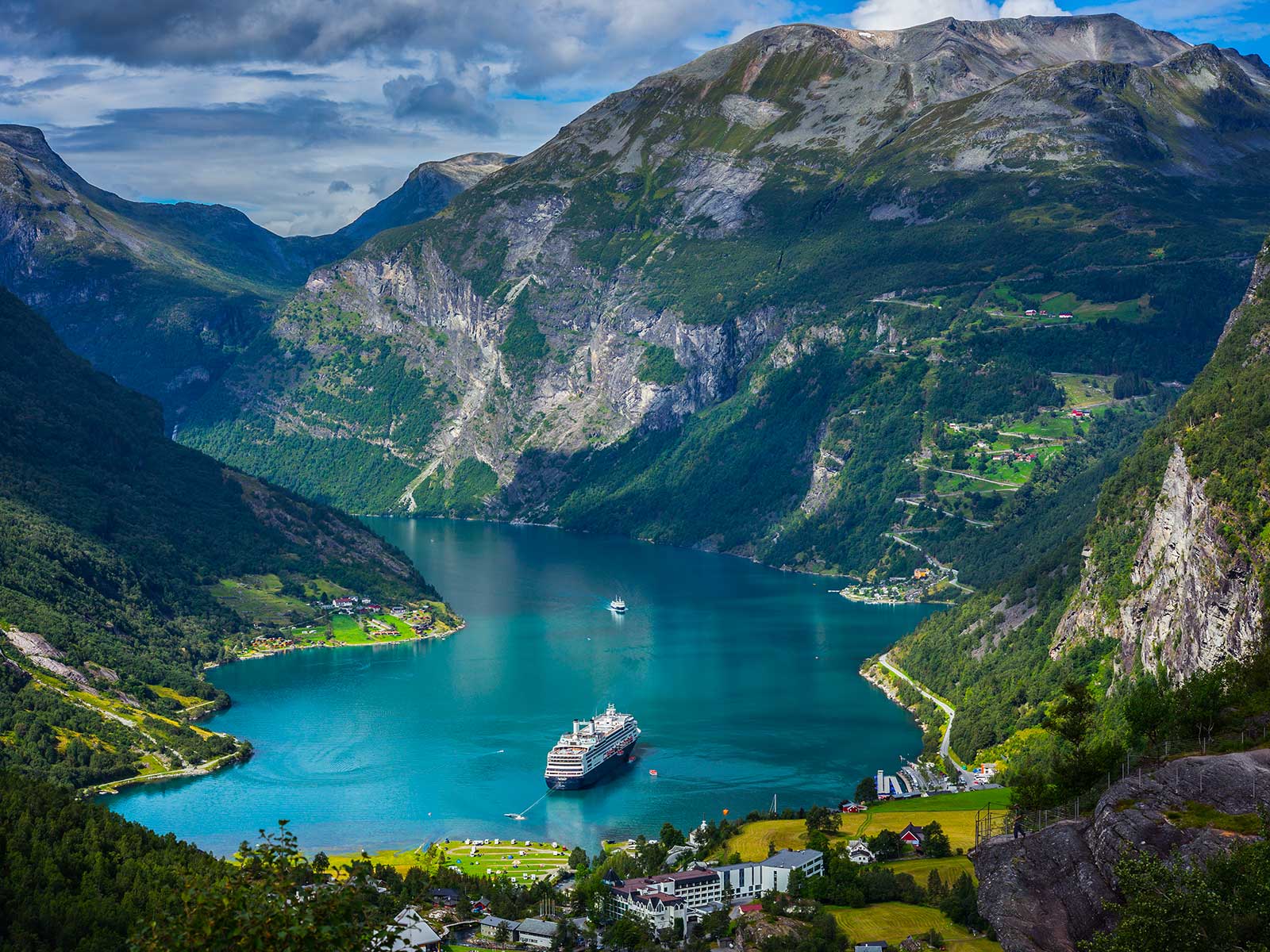
The Lofoten Islands, a dramatic archipelago far above the Arctic Circle in Norway, offer a breathtaking blend of rugged mountains, deep fjords, pristine beaches, and picturesque fishing villages. This guide provides essential insights for planning your unforgettable journey to this Nordic paradise, highlighting its unparalleled beauty and prime photography locations.
Discovering the Magic of Lofoten
Lofoten is renowned for its extraordinary natural beauty, where the raw power of nature meets charming cultural heritage. From the iconic red fishing huts (rorbuer) clinging to the shorelines to the towering peaks that plunge into the turquoise sea, every corner presents a postcard-perfect scene. Whether you're chasing the midnight sun in summer or the ethereal Northern Lights in winter, the Lofoten Islands archipelago promises an adventure unlike any other.
Best Time to Visit
The ideal time to visit Lofoten largely depends on your desired experience:
- Summer (June-August):Offers long daylight hours, including the magical midnight sun, perfect for hiking, kayaking, and exploring beaches. Temperatures are mild, typically ranging from 10-20°C. This is peak season, so expect more crowds.
- Autumn (September-October):Fewer tourists, crisp air, and stunning autumn colors create a dramatic backdrop. The Northern Lights become visible again as nights grow longer, and hiking is still excellent.
- Winter (November-March):A wonderland of snow-capped mountains, frozen lakes, and the highest chance to witness the Northern Lights. Winter activities include skiing, snowshoeing, and ice fishing. Days are short, but the light can be incredibly soft and atmospheric for photography.
- Spring (April-May):The landscape awakens, snow melts, and migratory birds return. It's a quieter time with increasing daylight, offering a blend of winter and summer activities.
Getting to the Lofoten Islands
Reaching Lofoten involves a combination of air and road or ferry travel:
- By Air:
- Fly to Harstad/Narvik Airport (EVE) at Evenes, then rent a car for the 3-4 hour drive to Svolvær.
- Fly to Bodø (BOO), then take a ferry to Moskenes (approx. 3-4 hours) or a shorter flight to Svolvær (SVJ) or Leknes (LKN).
- Direct flights to Svolvær (SVJ) or Leknes (LKN) are available from Bodø and other regional airports.
- By Car & Ferry:Driving from southern Norway is a long but scenic journey. Consider taking the coastal route or combining it with a ferry from Bodø to Moskenes, which brings you directly into the heart of the most picturesque part of Lofoten.
- By Express Boat:An express boat operates between Bodø and Svolvær, providing a direct connection without a car.
Getting Around Lofoten
The best way to explore Lofoten is by car, offering the flexibility to stop at viewpoints and hidden gems:
- Rental Car:Essential for maximizing your exploration, especially for photographers chasing specific light or locations. Renting from Evenes (EVE) or Bodø (BOO) is common.
- Public Transport:A limited bus network connects the main towns and villages along the E10 highway, but schedules can be infrequent, especially outside of peak season.
- Bicycle:Cycling is popular in summer, with designated routes and less traffic than many other regions.
Top Photography Spots & Villages
Lofoten is a photographer's dream. Here are some unmissable locations:
1. Reine
Often dubbed the most beautiful village in the world, Reine's iconic red rorbuer set against the backdrop of towering, jagged mountains like Reinebringen is a quintessential Lofoten image. Sunrise and sunset here offer incredible light.
2. Hamnøy
Just before Reine, Hamnøy is famous for its classic view of red fishing huts on stilts, with the majestic Festhaeltinden mountain behind. This spot is particularly stunning at dawn or dusk.
3. Sakrisøy
Distinguished by its vibrant yellow rorbuer, Sakrisøy offers a unique visual contrast. It's also home to a renowned restaurant serving local fish specialties.
4. Nusfjord Arctic Resort
A UNESCO World Heritage site, Nusfjord is one of Norway's oldest and best-preserved fishing villages. Its authentic wooden buildings, traditional fishing boats, and dramatic setting make it a captivating step back in time.
5. Henningsvær
Known as the "Venice of Lofoten," Henningsvær is spread across several small islands connected by bridges. Its charming harbor, art galleries, and lively atmosphere make it a must-visit. The famous football pitch, surrounded by drying racks for stockfish, is a unique aerial photography subject.
Photography Tip:For stunning landscape shots in Lofoten, always pack a wide-angle lens, a sturdy tripod for long exposures (especially for Northern Lights or moving water), and polarizing filters to enhance colors and reduce glare from water.
6. Svolvær
The largest town in Lofoten, Svolvær serves as a primary hub for tours and activities. It offers a blend of urban amenities and stunning natural beauty, with the Svolværgeita mountain peak dominating the skyline.
7. Uttakleiv & Haukland Beaches
These two adjacent beaches boast pristine white sand and crystal-clear turquoise waters, contrasting beautifully with the surrounding rugged mountains. Uttakleiv is famous for its "eye" rock formation and is an excellent spot for midnight sun in summer and Northern Lights in winter. Haukland is perfect for a leisurely stroll or a dip on a warm day.
8. Kvalvika Beach
A secluded paradise only accessible via a scenic hike (approximately 1.5-2 hours round trip), Kvalvika Beach is nestled between dramatic cliffs. Its untouched beauty makes it a rewarding destination for hikers and photographers seeking solitude.
9. Å (pronounced "Aw")
Located at the very end of the E10 highway, Å is a traditional fishing village and home to the Norwegian Fishing Village Museum. It offers a glimpse into Lofoten's rich maritime history and marks the scenic conclusion of your journey along the archipelago.
10. Reinebringen
While the hike to Reinebringen is challenging, the panoramic views of Reine, Hamnøy, Sakrisøy, and the surrounding fjords are arguably the most spectacular in Lofoten. Stone steps built by Sherpas have significantly improved accessibility, but it remains a steep ascent.
Things to Do in Lofoten
Beyond photography, Lofoten offers a wealth of activities:
- Hiking:Explore trails ranging from easy coastal walks to challenging mountain ascents like Ryten (for Kvalvika Beach views), Offersøykammen, or the iconic Reinebringen.
- Kayaking and SUP:Paddle through calm fjords, explore hidden coves, and get a unique perspective on the dramatic coastline.
- Fishing:Join a fishing trip to experience Lofoten's traditional livelihood and try to catch your own cod.
- Surfing:Unstad Arctic Surf is one of the world's northernmost surf spots, offering unique cold-water surfing experiences.
- Museums:Visit the Lofotr Viking Museum at Borg to step back into the Viking Age, or explore local fishing museums.
- Northern Lights Chasing:During winter, join a guided tour or find a dark spot away from light pollution to witness the Aurora Borealis dance across the sky. While Tromsø is often called the "Gateway to the Arctic" for Northern Lights, Lofoten offers equally stunning backdrops.
- Midnight Sun Experience:In summer, enjoy 24 hours of daylight, allowing for endless exploration under the ethereal glow of the sun that never sets.
Accommodation in Lofoten
Lofoten offers diverse accommodation options:
- Rorbuer:Traditional fisherman's cabins, often beautifully renovated, provide an authentic and charming stay. Many come with kitchenettes.
- Hotels and Guesthouses:Available in larger towns like Svolvær and Leknes, offering modern comforts.
- Camping:Several campsites are available, and wild camping is generally permitted under Norwegian "Allemannsretten" (right to roam), provided you respect nature and leave no trace.
Food and Drink
Lofoten's culinary scene is heavily influenced by its maritime heritage.Stockfish(dried cod) is the most famous local specialty, often prepared in various dishes. Fresh seafood, including cod, halibut, and shrimp, is readily available. Look for local bakeries for traditional Norwegian pastries.
Practical Tips for Your Lofoten Adventure
- Pack Layers:The weather in Lofoten can change rapidly, regardless of the season. Bring waterproof and windproof outerwear, warm layers, and sturdy hiking boots.
- Respect Nature:Practice Leave No Trace principles. Stay on marked trails, dispose of waste properly, and respect local wildlife.
- Book in Advance:Especially during peak season (summer and winter for Northern Lights), accommodation, rental cars, and popular tours can book out quickly.
- Check Weather Forecasts:Essential for planning activities, particularly hikes and boat trips, and for photographers planning their shots.
- Embrace the Light:Lofoten's unique light is a photographer's dream. Be prepared for golden hours that last for hours, especially during the midnight sun period.
Conclusion
The Lofoten Islands truly stand out as a jewel in Norway's crown, offering an extraordinary blend of dramatic landscapes, rich culture, and endless opportunities for adventure and breathtaking photography. From the iconic fishing villages to the majestic fjords and white sandy beaches, Lofoten promises an unforgettable journey into the heart of Arctic beauty. Prepare to be captivated by its charm and natural grandeur.