
Getting Around Norway: Trains, Ferries & Scenic Routes
Norway's breathtaking landscapes, from dramatic fjords to snow-capped mountains and vibrant cities, are an open invitation to explore. Navigating this diverse country is an adventure in itself, with a comprehensive network of transport options designed to deliver unforgettable experiences along scenic routes.
Whether you dream of gliding through fjords, chugging past majestic waterfalls by train, or driving along a coastal masterpiece, Norway offers a mode of travel perfectly suited to your journey. Understanding the unique blend of trains, ferries, buses, and roads is key to unlocking the full potential of your Norwegian adventure.
Trains: A Journey Through Majestic Landscapes
Norway's railway network, while not as extensive as some European countries, is renowned for its spectacular scenic routes. Train travel here is less about speed and more about immersion, offering panoramic views from comfortable carriages.
Key Train Routes
- The Bergen Line (Bergensbanen):Often hailed as one of the world's most beautiful train journeys, this route connects Oslo with Bergen, traversing high mountain plateaus, charming valleys, and picturesque towns. It's an engineering marvel that showcases the incredible diversity of Norway's interior.
- The Flåm Railway (Flåmsbana):A truly iconic branch line, the Flåm Railway descends from Myrdal station on the Bergen Line down to the fjord-side village of Flåm, offering an incredibly steep and scenic ride past waterfalls and dramatic ravines. It's a popular add-on to many fjord tours.
- Dovre Line:Connecting Oslo with Trondheim, this line also offers stunning mountain scenery, passing through areas like the Gudbrandsdal valley and near Lillehammer, a region rich in Olympic history and outdoor activities.
- Nordland Line:Extending north from Trondheim to Bodø, this is Norway's longest railway line, crossing the Arctic Circle and offering a unique perspective on the changing landscapes as you head further north.
Trains are an excellent choice for those who prefer to relax and let the scenery unfold, especially between major cities. They are efficient, comfortable, and often connect seamlessly with other modes of transport, making them a central part of many itineraries.
Ferries & Coastal Cruising: The Lifeline of the Fjords
To truly experience the essence of Norway, particularly its iconic fjords and countless islands, you must embrace its extensive ferry network. For centuries, ferries have been the primary means of transport along the rugged coastline, serving both practical needs and offering unparalleled scenic journeys.
Exploring the Fjords by Water
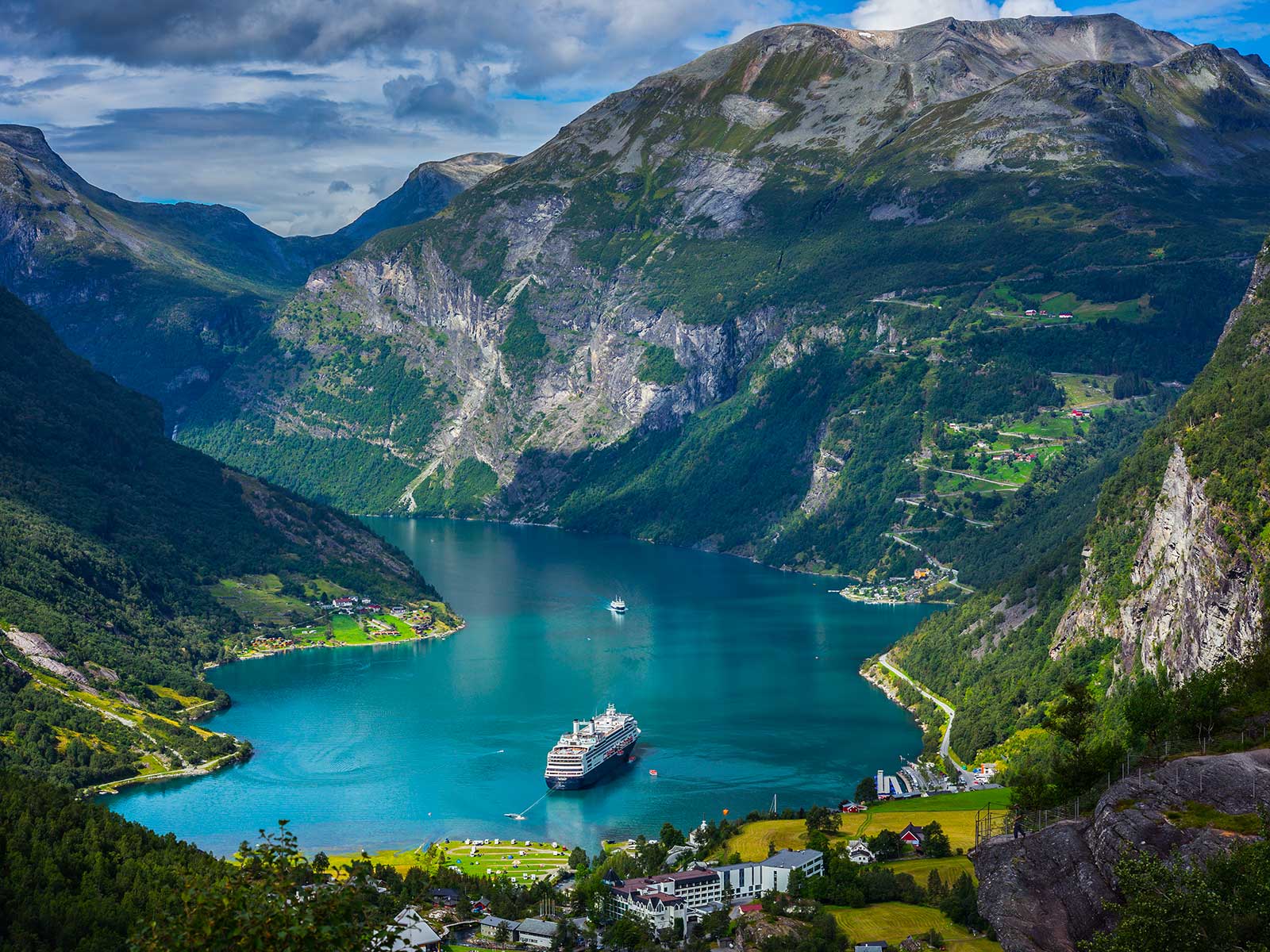
- Local Car Ferries:These are an indispensable part of Norway's road network, often replacing bridges or tunnels to cross fjords and connect islands. They are frequent, efficient, and offer fantastic short scenic breaks, allowing you to drive right onto the boat. You'll find them essential when exploring areas around the Sognefjord or the dramatic Geirangerfjord.
- Express Passenger Ferries (Fast Ferries):Connecting major coastal towns and cities, these faster services are ideal for island hopping or reaching fjord-side communities without a car. They operate in areas like the fjords surrounding Bergen and along the coast towards the Å and Lofoten islands archipelago.
- Coastal Voyages (e.g., Hurtigruten):While beyond a simple ferry, Norway's iconic coastal voyages offer a blend of transport and cruise experience, stopping at numerous ports from Bergen all the way up to Kirkenes, far in the north. They provide an in-depth view of Norway's coastal culture and landscapes, serving as a vital link for many remote communities.
"Norway's fjords were carved by glaciers over millions of years, creating some of the most dramatic and accessible natural wonders on Earth. Exploring them by ferry offers a unique, sea-level perspective."
Whether it's a short crossing or a multi-day voyage, travel by water is an integral and unforgettable part of any Norwegian adventure.
Buses: Connecting the Dots
While trains cover the main arteries and ferries dominate the coast, buses are the unsung heroes that connect virtually every corner of Norway. They are crucial for reaching destinations off the main rail lines and for linking various transport hubs.
Flexibility and Accessibility
- Regional Bus Networks:Extensive local and regional bus services operate throughout the country, often connecting smaller towns and villages to larger transport hubs. They are frequently used by locals and tourists alike to reach hiking trailheads, national parks, and other attractions that are not directly accessible by train or ferry.
- Long-Distance Coaches:Several companies operate comfortable long-distance coaches, offering an alternative to train travel on some routes and extending coverage to areas not served by rail. These can be particularly useful for journeys within a specific region or for budget-conscious travelers.
For instance, reaching the iconic Pulpit Rock (Preikestolen) often involves a combination of ferry and bus, demonstrating how various transport modes work in harmony. Buses are an essential part of a multi-modal travel strategy in Norway, providing flexibility and access to the country's hidden gems.
Driving: The Ultimate Freedom to Explore
For many, renting a car offers the ultimate freedom to explore Norway at their own pace, especially for those wanting to venture off the beaten path or tackle one of the country's legendary scenic routes.
Scenic Drives and Road Trips
- National Tourist Routes:Norway boasts 18 designated National Tourist Routes, showcasing incredible engineering and stunning natural beauty. These roads are designed with viewpoints, rest stops, and architectural installations to enhance the driving experience. A prime example is The Atlantic Road, a mesmerizing stretch of highway that leaps from island to island across the open sea.
- Flexibility:Having a car allows for spontaneous stops, detours to charming villages, and access to remote hiking trails. It's ideal for those who prefer to set their own schedule and carry more luggage.
However, driving in Norway comes with considerations: roads can be narrow and winding, especially in the fjords and mountains; tolls are common; and winter conditions demand experienced drivers and appropriate tires. Always check road conditions before setting out, especially outside of summer months.
Flights: Bridging Vast Distances
Given Norway's elongated geography, domestic flights are a practical and often necessary option for covering long distances, especially when traveling to the northern reaches of the country.
Key for Northern Exploration
- Extensive Domestic Network:Major airlines operate frequent flights connecting cities like Oslo, Bergen, Stavanger, and Trondheim with regional airports throughout the country, including destinations far north like Tromsø and even to the remote Svalbard islands.
- Time-Saving:For travelers with limited time, flying can drastically reduce travel hours compared to long train or bus journeys, allowing more time for exploration at your destination.
While flights offer efficiency, they naturally offer less in-transit scenery compared to ground or sea travel. Many travelers opt for a combination, perhaps flying one leg of a journey and taking a scenic train or ferry for another.
Cycling & Walking: Immersive Local Exploration
For a truly intimate experience of Norway's cities and accessible natural areas, cycling and walking are fantastic options. Many urban centers are pedestrian-friendly, and cycling infrastructure is continuously improving.
Exploring Cities and Trails
- City Exploration:Cities like Oslo and Bergen are wonderful to explore on foot. In Oslo, you can easily walk between attractions like the Oslo Opera House and The Vigeland Park. Bergen's historic Bryggen wharf is best experienced by strolling its narrow alleyways.
- Cycle Routes:Dedicated cycling paths and scenic routes abound, particularly in flatter regions or along disused railway lines. Many areas offer bike rentals, making it easy to enjoy a day trip on two wheels.
Walking and cycling allow you to connect with the immediate environment, discover hidden corners, and appreciate the finer details of Norway's charming towns and stunning natural beauty.
Planning Your Norwegian Journey: Tips for Seamless Travel
Navigating Norway's diverse transport landscape is part of the adventure. Here are some tips to help you plan a smooth and enjoyable trip:
- Combine Modes:The most rewarding Norwegian itineraries often involve a mix of transport. Take a scenic train, hop on a ferry through a fjord, and perhaps rent a car for a few days to explore a specific region.
- Book in Advance:Especially for popular train routes (like the Bergen Line) and express ferries during peak season, booking tickets in advance is highly recommended to secure your spot and often better prices.
- Consider Seasonal Changes:Road conditions, ferry schedules, and availability of certain tours can vary significantly between summer and winter. Always check current information for your travel dates.
- Travel Passes:For extensive travel by train or bus, investigate if any regional or national passes offer cost savings, though individual tickets often suffice for shorter trips.
Norway's transport system is designed to showcase its incredible natural beauty. Embrace the journey itself as an integral part of your experience, and you'll discover why getting around Norway is as memorable as the destinations themselves.