
Camping in Norway: A Beginner's Guide to Free Camping & Campsites
Norway, a land of breathtaking fjords, majestic mountains, and pristine wilderness, offers an unparalleled camping experience. Whether you dream of waking up to panoramic views from your tent or prefer the convenience of established facilities, this guide will help you navigate the magic of camping in the Norwegian outdoors.
The Right to Roam: Understanding Norway's Allemannsrett
One of Norway's most cherished traditions, and a boon for campers, isAllemannsretten– the "right to roam" or "freedom to roam." This public right allows everyone to access and enjoy uncultivated land in the countryside, regardless of who owns it.
Allemannsretten grants you the right to walk, hike, ski, cycle, and even camp freely on uncultivated land. This means you can pitch your tent almost anywhere for one or two nights, as long as you adhere to certain rules. It's a fundamental aspect of Norwegian culture, promoting appreciation for the natural world.
Key Principles of Allemannsrett for Campers
- Distance from Dwellings:You must pitch your tent at least 150 meters (approximately 500 feet) away from the nearest inhabited house or cabin.
- Cultivated Land:Camping is not permitted on cultivated land (e.g., farms, gardens, cultivated fields) or fenced pastures.
- Duration:You can generally camp for one or two nights in the same spot without special permission. For longer stays, you should seek the landowner's consent.
- Leave No Trace:This is paramount. Always leave the area exactly as you found it, or better. Pack out all your trash, and minimize your impact on vegetation and wildlife.
- Fire Safety:Open fires are generally prohibited in or near forests and other uncultivated land from April 15th to September 15th due to fire risk. Check local regulations, as exceptions can apply (e.g., designated fire pits, areas with no fire risk). Always be extremely careful with any heat sources.
- Respect Nature and Privacy:Be considerate of others using the land and respect the privacy of landowners.
Did you know?Allemannsretten has roots dating back to ancient Nordic laws, emphasizing the shared value of nature for all citizens.
Free Camping (Wild Camping) Essentials
Embracing wild camping in Norway offers unparalleled freedom and a chance to truly connect with nature. However, it requires careful preparation and respect for the environment.
Where to Pitch Your Tent (and Where Not To)
- Good Spots:Look for flat, dry ground in forests, near lakes, along rivers, or in the mountains. Areas with natural shelters from wind and rain are ideal. The vast wilderness areas, such as those near the Sognefjord or in the highlands around Lillehammer, offer countless stunning locations.
- Bad Spots:Avoid private gardens, cultivated fields, young forest plantations, designated protected areas where camping is explicitly forbidden, and obviously, within 150 meters of homes.
- Consider Impact:Choose durable surfaces for your tent to minimize damage to fragile ecosystems. Avoid pitching directly on delicate moss or vegetation if possible.
The Convenience of Commercial Campsites
For those who prefer more amenities or are traveling with an RV, Norway boasts an excellent network of commercial campsites. These sites offer a comfortable and convenient alternative to wild camping, especially if you're exploring popular areas or need a break from self-sufficiency.
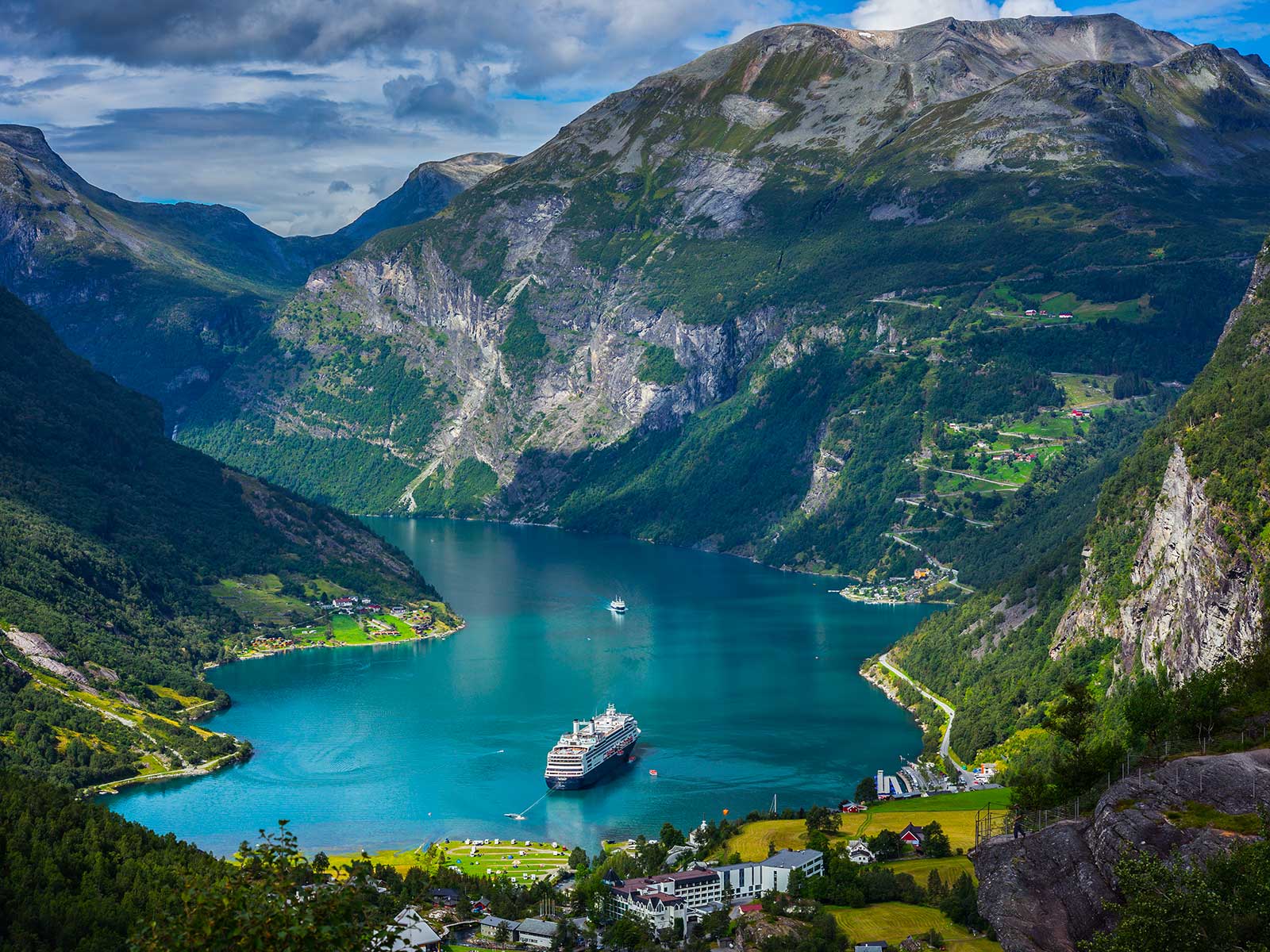
Norwegian campsites are typically well-maintained and often situated in incredibly scenic locations, providing easy access to hiking trails, fishing spots, or cultural attractions like the charming town of Bryggen in Bergen or the dramatic landscapes near Geirangerfjord.
What to Expect at a Norwegian Campsite
- Facilities:Most campsites offer clean toilets, showers (sometimes coin-operated), fresh water, and waste disposal. Many also feature communal kitchens, laundry facilities, and electricity hook-ups for RVs and caravans.
- Accommodation Options:Beyond tent and RV pitches, many campsites offer cabins (hytter) for rent, ranging from basic shelters to fully equipped holiday homes.
- Booking:During peak season (June-August), especially in popular tourist regions like the Lofoten islands or near iconic hikes like Pulpit Rock, it's advisable to book pitches or cabins in advance.
- Services:Some larger campsites might have small shops, restaurants, playgrounds, or offer activity rentals like boats or bicycles.
Essential Gear for Your Norwegian Camping Adventure
Norway's weather can be unpredictable, even in summer, so packing appropriate gear is crucial for a comfortable and safe trip.
- Tent:A sturdy, waterproof tent capable of withstanding wind and rain is essential.
- Sleeping System:A warm sleeping bag (comfort rating around 0°C/32°F or lower for shoulder seasons) and an insulated sleeping mat are vital.
- Layered Clothing:Bring waterproof and windproof outer layers, warm mid-layers (fleece, wool), and moisture-wicking base layers. Don't forget a warm hat and gloves, even in summer.
- Footwear:Waterproof hiking boots with good ankle support are a must for exploring trails. Consider camp shoes or sandals for relaxation.
- Cooking Equipment:A reliable camping stove, fuel, cooking pots, and utensils if you plan to self-cater.
- Navigation:A map and compass or a reliable GPS device/app are indispensable, especially for wild camping or hiking in less-trafficked areas.
- First-Aid Kit:Comprehensive kit with personal medications, blister treatment, pain relievers, and wound care.
- Other Essentials:Headlamp or flashlight, power bank for charging devices, sun protection (sunglasses, sunscreen), insect repellent (especially for mosquitoes in summer), and a refillable water bottle.
Responsible Camping & Environmental Stewardship
Regardless of whether you choose free camping or a commercial site, responsible behavior is key to preserving Norway's pristine nature.
- Leave No Trace:This principle cannot be stressed enough. Pack out everything you pack in. Dispose of human waste properly (bury it at least 200 feet from water sources, trails, and campsites).
- Respect Wildlife:Observe animals from a distance. Do not feed wildlife. Store food securely to prevent attracting animals.
- Water Sources:Be mindful of water sources. Use biodegradable soap sparingly and away from lakes and rivers. Consider filtering or boiling any water from natural sources before drinking.
- Fire Safety:Adhere strictly to fire regulations. Use designated fire pits if available. Ensure any fire is completely extinguished before leaving.
Popular Camping Regions & Experiences
Norway offers diverse landscapes perfect for camping, each with its unique charm:
- Fjordland:Explore the dramatic west coast with its iconic fjords like Sognefjord and Geirangerfjord. Many campsites dot the shores, offering incredible views and access to hiking trails, including the path to Pulpit Rock.
- Northern Norway:The rugged beauty of the Lofoten islands is a camper's paradise, offering stunning beaches and dramatic peaks. Further north, near Tromsø, you can experience camping under the midnight sun or, in winter, the Northern Lights.
- Central & Eastern Norway:The valleys and mountains around Lillehammer provide excellent opportunities for forest and mountain camping, with access to national parks and charming rural areas.
- Coastal Routes:Drive and camp along scenic routes like The Atlantic Road, finding idyllic spots by the sea.
Camping in Norway is an unforgettable adventure, offering unparalleled access to some of Europe's most spectacular natural wonders. By understanding Allemannsretten and practicing responsible outdoor ethics, you'll be well-prepared to create lasting memories under the Norwegian sky.