
Best Time to Visit Norway: A Month-by-Month Guide
Norway, a land of dramatic fjords, majestic mountains, and vibrant cities, offers a spectrum of unforgettable experiences year-round. Deciding the best time to visit often depends on what adventures you seek, from chasing the Northern Lights to hiking under the midnight sun. This comprehensive guide will help you navigate Norway's distinct seasons and discover your ideal travel window.
With its vast north-south stretch, Norway's climate and daylight hours vary significantly. What might be perfect for a winter wonderland adventure in the Arctic could be entirely different from a summer fjord cruise in the south. Understanding these seasonal nuances is key to planning your perfect Norwegian journey.
Understanding Norway's Seasons
Norway's four distinct seasons each present unique opportunities and challenges for travellers:
- Winter (December - February):Characterized by short days, long nights, and often abundant snow, especially inland and in the north. This is prime time for the Northern Lights, winter sports, and cozy city breaks.
- Spring (March - May):A period of transition where snow melts, waterfalls swell, and nature awakens. Days grow longer, and temperatures rise. It's an excellent time for cultural experiences, lower-altitude hikes, and enjoying fewer crowds before peak season.
- Summer (June - August):The warmest and brightest season, offering the Midnight Sun phenomenon above the Arctic Circle. Ideal for outdoor activities like hiking, fjord cruises, and exploring the stunning coastline. This is Norway's peak tourist season.
- Autumn (September - November):Landscapes transform with vibrant fall foliage, especially in September. Days shorten, and temperatures cool. It's a quieter time for scenic drives and city visits, with the Northern Lights making an early appearance in the north.
Norway Month-by-Month
January
Deep winter in Norway means short daylight hours, heavy snow, and frigid temperatures, but also a magical atmosphere. This is one of the best months for chasing theNorthern Lights, particularly in destinations like Tromsø, often dubbed the 'Gateway to the Arctic'. Winter sports enthusiasts will find excellent conditions for skiing and snowboarding in resorts across the country, including those near Lillehammer. Cities embrace the festive post-holiday calm, offering cultural experiences indoors.
Did you know?In parts of Northern Norway, the sun doesn't rise above the horizon for several weeks in winter, a phenomenon known as the Polar Night.
February
Similar to January, February continues the deep winter charm. It's still prime time for Northern Lights viewing, dog sledding, snowmobiling, and skiing. Daylight hours begin to noticeably lengthen, offering a bit more time for outdoor activities during the day. This month can be slightly less crowded than peak holiday periods, making it a good choice for a pure winter adventure.
March
March marks the transition from winter to spring. While there's still plenty of snow in the mountains for skiing, the south starts to see signs of thawing. Days are considerably longer, and the temperatures are generally milder than the preceding months. It's a fantastic month for combining winter sports with early spring city breaks. The Northern Lights are still active in the north, especially in early March.
April
Spring is well underway in April. Snow continues to melt at lower altitudes, leading to spectacular waterfalls cascading down mountainsides. Cities like Oslo begin to bloom with cherry blossoms, making it a wonderful time for urban exploration. Consider visiting attractions like The Vigeland Park or the iconic Oslo Opera House. Ferry services to the fjords start to become more frequent, though some higher mountain roads may still be closed.
May
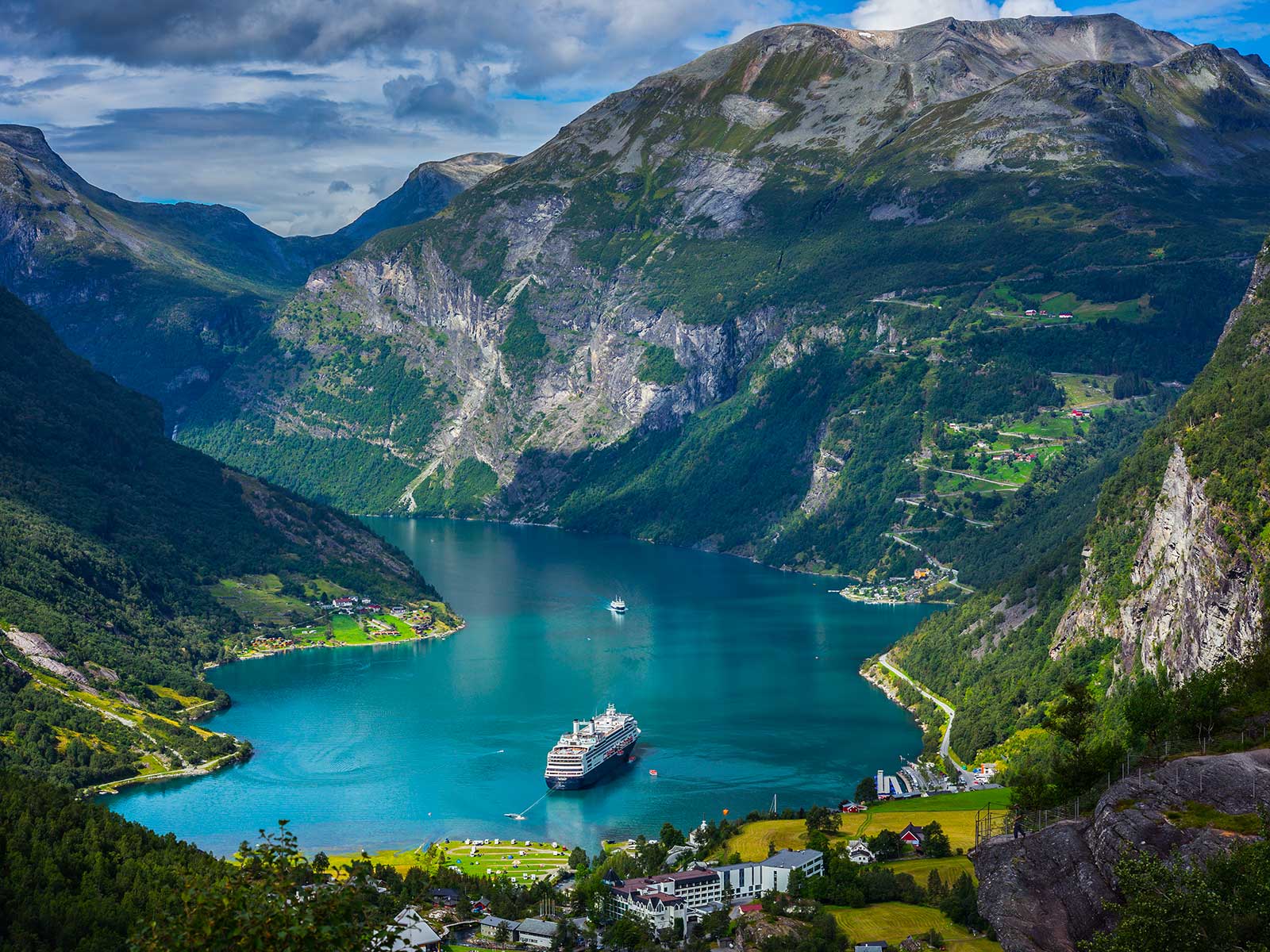
May is a truly beautiful month in Norway, with nature bursting into life. It's an ideal time to visit before the peak summer crowds. The country celebrates its Constitution Day on May 17th with vibrant parades and festivities nationwide. Hiking trails, including the accessible lower sections of Pulpit Rock (Preikestolen), begin to open, and fjord cruises on majestic waterways like Sognefjord and Geirangerfjord are in full swing.
June
The beginning of summer ushers in long daylight hours, and above the Arctic Circle, the mesmerisingMidnight Sunphenomenon. June is perfect for hiking, kayaking, and exploring the stunning landscapes of the Lofoten islands archipelago. All major tourist attractions and roads are typically open, and the weather is generally mild. This is when the peak tourist season truly begins.
July
July is Norway's warmest month and the absolute peak of summer tourism. It's the best time for all types of outdoor activities, from extensive hiking in national parks to leisurely fjord cruises and scenic drives like The Atlantic Road. Cities like Bergen are bustling, with visitors exploring the historic wharf of Bryggen. Be prepared for crowds, especially in popular areas, and book accommodations and transport well in advance.
August
Summer continues strongly into August, with pleasant temperatures perfect for continued outdoor adventures. The days start to shorten slightly towards the end of the month, but there's still ample daylight for exploring. This is a great time to visit glaciers like Briksdalsbre or embark on multi-day treks. As the month progresses, crowds begin to thin, offering a slightly more relaxed experience.
September
September ushers in autumn, transforming Norway's landscapes into a palette of fiery reds, oranges, and yellows, especially inland. The air is crisp, and the crowds have significantly dwindled. It's an excellent month for scenic drives and enjoying the vibrant fall foliage. In Northern Norway, the Northern Lights season begins to pick up again, offering a chance to see them against a less extreme cold backdrop.
October
October sees the full glory of autumn colours, though the weather can become more unpredictable with increasing chances of rain and cooler temperatures. Many smaller tourist operators begin to close for the season. However, it's still a good month for cultural city breaks and enjoying the quiet beauty of the landscape. The Northern Lights activity continues to strengthen in the north.
November
November is a darker, colder month as Norway prepares for winter. Daylight hours are short, particularly in the north. This is a quieter period for tourism, making it ideal for those seeking a tranquil, authentic experience. It's a fantastic time for Northern Lights hunting in the Arctic, and some early Christmas markets might start to appear towards the end of the month.
December
December brings a festive, magical atmosphere to Norway. Cities are adorned with Christmas decorations, and various Christmas markets open their doors. Ski resorts begin to open, and the entire country often transforms into a winter wonderland. It's another excellent month for Northern Lights viewing, especially around the winter solstice when the nights are longest.
Choosing Your Perfect Norway Adventure
Your ideal time to visit Norway largely depends on your travel goals:
- For the Northern Lights:Visit between October and March, with January and February often providing the darkest skies and best chances, especially in Tromsø or the Lofoten islands. Consider a trip to the Svalbard islands for an even more remote Arctic experience.
- For Fjord Cruises and Hiking:June, July, and August offer the best weather and longest days for exploring the iconic fjords like Geirangerfjord and Sognefjord, as well as tackling famous hikes like Pulpit Rock. May and September also provide good conditions with fewer crowds.
- For the Midnight Sun:Plan your trip to Northern Norway (e.g.,Lofoten or Tromsø) between late May and late July.
- For Winter Sports:December to March offers the best snow conditions for skiing and snowboarding, particularly in central regions like Lillehammer.
- For Autumn Colours:Late September to early October is perfect for witnessing the stunning fall foliage, especially in inland and mountainous regions.
- For City Breaks:Any time of year can be suitable, but spring (April-May) and autumn (September-October) offer pleasant weather and fewer tourists for exploring places like Oslo (with The Vigeland Park and Oslo Opera House) and Bergen (Bryggen).
Essential Tips for Visiting Norway
- Pack Layers:Norwegian weather can be highly unpredictable, regardless of the season. Dressing in layers is always recommended.
- Book Ahead:Especially during peak season (June-August) and for Northern Lights trips, accommodation, popular tours, and transport can fill up quickly.
- Flexibility:Weather conditions, particularly in winter, can sometimes lead to travel disruptions. Building some flexibility into your itinerary is wise.
- Respect Nature:Norway's natural beauty is its greatest asset. Follow Leave No Trace principles and respect local regulations, especially when hiking.
Conclusion
Norway truly is a destination for all seasons, each offering a distinct charm and a unique set of adventures. Whether you dream of witnessing the ethereal dance of the Northern Lights, hiking amidst breathtaking fjords under the midnight sun, or exploring vibrant cities steeped in history, there's a perfect time for your Norwegian escape. By aligning your travel desires with the seasonal offerings, you're guaranteed an unforgettable experience in this magnificent Nordic nation.