
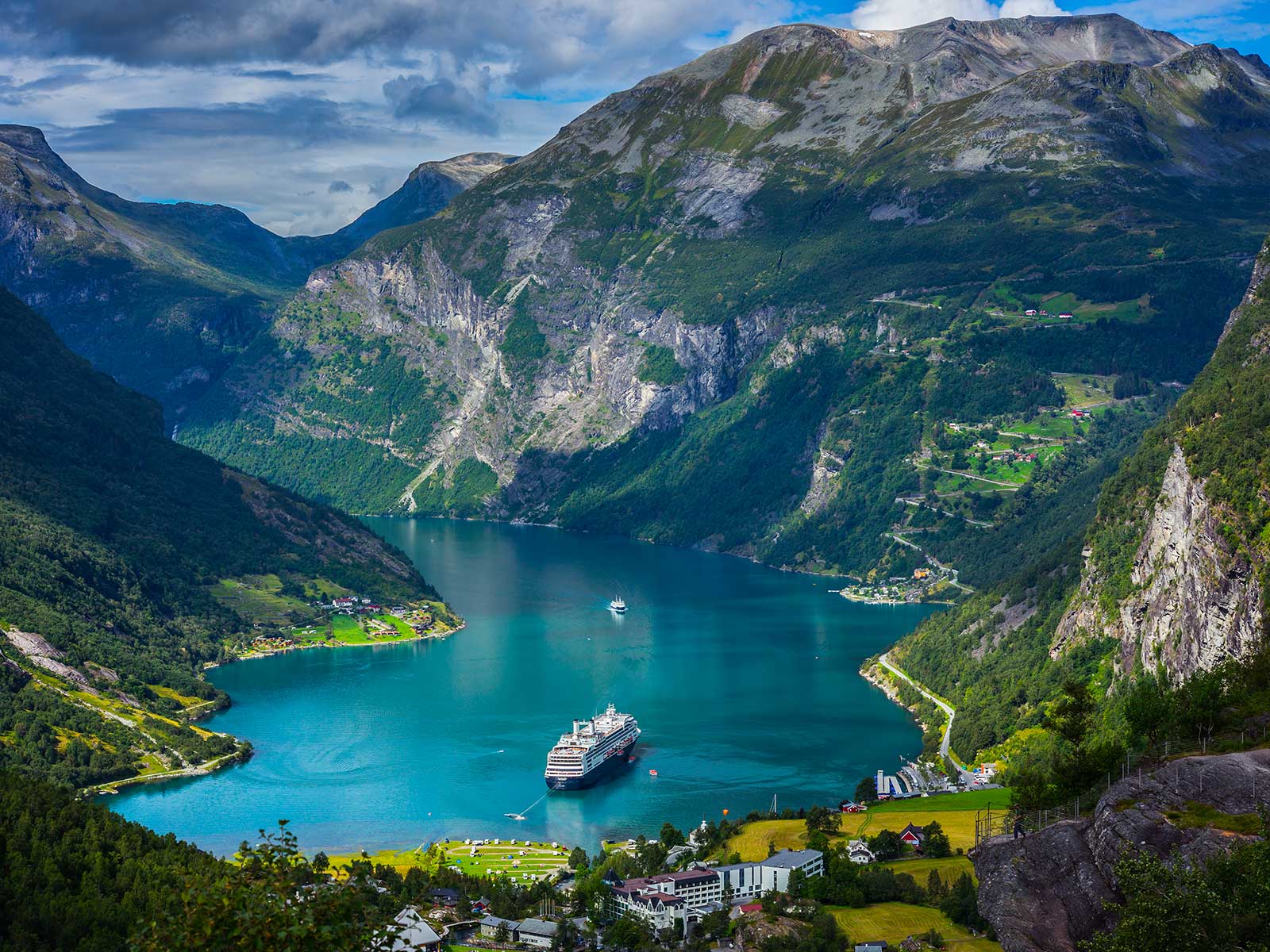
Best Norwegian Fjords: Geiranger, Nærøyfjord & More
Norway's fjords are a testament to nature's grandeur, carved by ancient glaciers into breathtaking landscapes of steep cliffs, cascading waterfalls, and serene waters. These iconic natural wonders offer an unparalleled travel experience, inviting adventurers to explore their majestic beauty and unique charm.
Embark on a journey to discover some of the most famous and awe-inspiring fjords, including the UNESCO-listed Geirangerfjord and Nærøyfjord, alongside other magnificent waterways that define Norway's rugged coastline.
Understanding Norway's Fjords: Nature's Masterpiece
A fjord is a long, narrow, deep inlet of the sea, situated between high, steep-sided cliffs. These geological marvels are formed by glacial erosion, where glaciers carve out U-shaped valleys that are later flooded by seawater. Norway, with its extensive coastline and history of glaciation, boasts thousands of fjords, each with its own character and allure.
The sheer scale and dramatic scenery of the Norwegian fjords have earned them a place on many travelers' bucket lists. From tranquil kayaking excursions to exhilarating cliffside hikes, the fjords offer a diverse range of activities amidst some of the world's most stunning natural backdrops.
The Crown Jewels: Geirangerfjord and Nærøyfjord
Geirangerfjord: A Symphony of Waterfalls and Majesty
Often hailed as Norway's most beautiful fjord, the Geirangerfjord is a UNESCO World Heritage site that captivates with its dramatic scenery. Located in the Sunnmøre region, this 15-kilometer-long fjord is famous for its almost vertical cliffs, lush green hills, and spectacular waterfalls that plunge directly into its deep blue waters.
- The Seven Sisters:Perhaps the most iconic waterfall, consisting of seven separate streams cascading down the mountainside.
- The Suitor:Directly opposite the Seven Sisters, this waterfall is said to be "wooing" them.
- The Bridal Veil:A delicate waterfall that fans out over the rock face, resembling a thin veil.
Cruising the Geirangerfjord is a quintessential experience, offering panoramic views of abandoned fjord farms clinging to the mountainsides, accessible only by boat or perilous paths. For the more adventurous, kayaking through its calm waters provides a unique perspective, while hiking trails offer breathtaking vistas from above.
Did you know? The Geirangerfjord is so pristine that it's home to unique cold-water coral reefs, thriving deep beneath its surface.
Nærøyfjord: The Narrow and Dramatic Beauty
Another UNESCO World Heritage site, the Nærøyfjord is a narrow arm of the mighty Sognefjord, renowned for its dramatic, untamed beauty. At its narrowest point, it's only 250 meters wide, with towering cliffs rising over 1,200 meters from the water, creating an intimate and awe-inspiring atmosphere.
Journeying through the Nærøyfjord, whether by ferry, kayak, or on foot along its shores, feels like entering a mythical realm. The sheer scale of the landscape is humbling, with tiny farms nestled precariously on ledges and waterfalls roaring down the rock faces. This fjord offers a different kind of beauty compared to Geiranger, more rugged and enclosed, making it incredibly immersive.
Many visitors combine a trip to the Nærøyfjord with a ride on the famous Flåm Railway, an engineering marvel that offers spectacular views as it ascends from the fjord to the mountain plateau.
Beyond the Icons: Other Unforgettable Norwegian Fjords
Sognefjord: The King of the Fjords
As Norway's longest and deepest fjord, the Sognefjord stretches over 200 kilometers inland and reaches depths of more than 1,300 meters. Often referred to as the "King of the Fjords," it offers a diverse landscape, from serene orchards to rugged mountain passes. The Sognefjord branches into numerous smaller arms, including the stunning Nærøyfjord, Aurlandsfjord, and Lustrafjord, each with its own unique appeal.
Exploring the Sognefjord region allows for a deeper dive into Norwegian culture and history, with stave churches, charming villages, and opportunities for hiking, cycling, and even glacier tours to places like Briksdalsbre.
Lysefjord: The Home of Iconic Hikes
Located in Ryfylke, near Stavanger, Lysefjord is famous for its dramatic cliffs and two of Norway's most iconic hiking destinations:Pulpit Rock (Preikestolen) and Kjeragbolten. While not as long as Sognefjord or as waterfall-laden as Geiranger, Lysefjord offers unparalleled views from its surrounding peaks, attracting hikers from around the world.
Hiking to Pulpit Rock provides a panoramic vista of the fjord below, a truly unforgettable experience for those willing to make the ascent.
Hardangerfjord: The Orchard Fjord
Known as Norway's "Orchard Fjord," the Hardangerfjord is the second-longest fjord in Norway, celebrated for its picturesque landscape of fruit orchards, especially beautiful during spring blossom. This fjord offers a gentler beauty, with rolling hills, charming villages, and the impressive Vøringsfossen waterfall nearby. It's an ideal destination for those seeking a tranquil experience amidst stunning natural scenery.
Trollfjord and the Lofoten Islands: Northern Dramatics
Further north, amidst the dramatic landscapes of the Å and Lofoten islands archipelago, lies the spectacular Trollfjord. This incredibly narrow fjord is surrounded by sheer, jagged mountains, giving it a mystical and wild appearance. While smaller, its dramatic entrance and towering peaks make it a popular stop for cruises and fishing expeditions in the region.
The Lofoten islands themselves are a treasure trove of natural beauty, with their distinctive fishing villages, white-sand beaches, and majestic mountains rising directly from the sea.
Planning Your Unforgettable Fjord Adventure
Best Time to Visit
The prime time to visit the Norwegian fjords is during thesummer months (June to August)when the weather is mild, days are long, and all attractions and roads are open. Spring (May) offers blossoming fruit trees in Hardangerfjord and fewer crowds, while autumn (September-October) brings vibrant fall foliage. Winter visits offer a stark, serene beauty, though many activities might be limited.
Getting Around
Exploring the fjords can be done in several ways:
- Car:Renting a car offers the most flexibility, allowing you to stop at scenic viewpoints and charming villages at your leisure. Be prepared for narrow, winding roads and ferry crossings.
- Public Transport:Norway's excellent bus, train, and ferry networks connect many fjord regions. The "Norway in a Nutshell" tour is a popular option that combines various modes of transport.
- Cruises/Ferries:Fjord cruises are a fantastic way to experience the fjords from the water, ranging from short sightseeing trips to multi-day voyages.
Activities and Experiences
The fjords offer a plethora of activities for every type of traveler:
- Fjord Cruises & Kayaking:Get up close with the waterfalls and cliffs.
- Hiking:Explore trails ranging from easy strolls to challenging climbs like those around Pulpit Rock.
- Cycling:Enjoy scenic routes along the fjord roads.
- Fishing:Try your luck in the nutrient-rich waters.
- Exploring Villages:Discover quaint towns like Flåm, Gudvangen, and those in the Lofoten islands, or the historic wharf of Bryggen in Bergen, a gateway city to many fjords.
Embracing Sustainable Travel
As guardians of these magnificent natural wonders, it's crucial for visitors to practice sustainable tourism. Stick to marked trails, dispose of waste properly, and respect local communities and wildlife. By traveling responsibly, we can help preserve the pristine beauty of the Norwegian fjords for generations to come.
Whether you're drawn to the cascading waterfalls of Geirangerfjord, the dramatic narrowness of Nærøyfjord, or the hiking trails of Pulpit Rock, Norway's fjords promise an unforgettable adventure into the heart of nature's majesty. Start planning your journey today and prepare to be awe-struck.