
Pasha's Mosque and Ottoman Heritage: A Guide to Skopje's Islamic Past
Skopje, North Macedonia's vibrant capital, is a city where centuries of history unfold at every turn. Beyond its modern facade, a rich tapestry of Ottoman heritage reveals itself, offering visitors a captivating journey into its Islamic past. At the heart of this legacy stands a collection of magnificent mosques, caravanserais, and hamams, with the spirit of the historic Old Bazaar serving as its pulsating core.
Unveiling Skopje's Ottoman Legacy
The Ottoman Empire's arrival in Skopje in the late 14th century marked the beginning of a profound transformation that would shape the city for over five centuries. What was once a Byzantine fortress town evolved into a bustling Ottoman trade hub, adorned with exquisite Islamic architecture and infused with a distinct Eastern character. This era left an indelible mark on Skopje's urban fabric, culture, and religious landscape, creating a unique blend of influences that defines the city today.
The Old Bazaar (Stara Čaršija) remains the undisputed epicenter of this heritage. As one of the largest and best-preserved Ottoman bazaars in the Balkans, it is a living museum, teeming with artisan workshops, traditional eateries, and an atmosphere that transports you back in time. Walking its cobblestone streets, you'll encounter the architectural splendors that testify to Skopje's glorious Ottoman past.
Pasha's Mosque: A Testament to Ottoman Craftsmanship
Among Skopje's many historical treasures, a significant mosque stands as a beacon of Ottoman architectural and religious legacy. Often referred to simply as Pasha's Mosque, it embodies the elegance and spiritual depth characteristic of the period.
The Enduring Charm of Pasha's Mosque
While the exact history of every "Pasha's Mosque" in the region can sometimes be nuanced, the essence of such a structure lies in its profound historical and architectural value. Typically, these mosques were built by high-ranking Ottoman officials or wealthy benefactors, known as pashas, as acts of piety and public service. They served not only as places of worship but also as community centers, often surrounded by soup kitchens, schools, and markets.
The architecture of a Pasha's Mosque typically showcases classic Ottoman design elements: a majestic central dome, often flanked by smaller domes, and a slender, soaring minaret from which the call to prayer echoes. Inside, visitors are often greeted by intricate floral and geometric patterns, delicate calligraphy adorning the walls, and a beautifully carvedmihrab(prayer niche indicating the direction of Mecca) andminbar(pulpit). These details are not merely decorative but deeply symbolic, reflecting Islamic artistic traditions and spiritual devotion.
A Respectful Visit
When visiting Pasha's Mosque or any other active place of worship in Skopje, respectful conduct is paramount. Visitors are generally welcome outside of prayer times. Here are a few tips:
- Dress Code:Modest attire is expected. Women should cover their heads, shoulders, and knees. Men should wear long trousers.
- Footwear:Shoes must be removed before entering the prayer hall.
- Behavior:Maintain a quiet demeanor, avoid loud conversations, and refrain from disturbing those who are praying.
- Photography:Always ask for permission before taking photos, especially of people, and be discreet.
Traveler Tip:The peaceful atmosphere inside a mosque offers a moment of quiet contemplation, a stark contrast to the lively bustle of the Old Bazaar outside. Take time to appreciate the intricate artistry and the sense of history.
The Heart of History: Skopje's Old Bazaar
Skopje's Old Bazaar is not merely a collection of buildings; it's a vibrant, breathing entity where history and daily life intertwine. For centuries, it has been the city's economic and cultural engine, a place where East meets West, and traditions endure. Exploring its labyrinthine alleys is an essential part of understanding Skopje's Islamic past.
Beyond Pasha's Mosque: Other Ottoman Gems
The Old Bazaar is home to a multitude of other significant Ottoman-era structures, each with its own story and architectural charm:
- Mustafa Pasha Mosque:Perched on a plateau above the Bazaar, this 15th-century mosque is one of the most beautiful and well-preserved Islamic monuments in Skopje. Its intricate interior and serene garden are truly captivating.
- Isa Bey Mosque:Dating back to 1475, this mosque features five lead-covered domes and an impressive portico, representing another fine example of classical Ottoman architecture.
- Daut Pasha Hamam:A grand 15th-century public bathhouse, now repurposed as the National Gallery of North Macedonia. Its multiple domes and historical significance make it a striking landmark.
- Caravanserais (Ans):The Suli An, Kapan An, and Kuršumli An were vital inns for traveling merchants and their goods. Today, they house various shops, faculties, and art studios, giving new life to their ancient walls.
- Bezisten:The covered market, though rebuilt over centuries, retains the essence of its Ottoman origins, offering a glimpse into the bustling trade of yesteryear.
These structures, along with numerous smaller mosques and tekkes (dervish lodges), paint a comprehensive picture of the Old Bazaar's role as a center of commerce, community, and religious life under Ottoman rule. While exploring North Macedonia, you'll find similar Ottoman influences in cities like Prilep, which also boasts a rich history and impressive Ottoman clock tower.
Ottoman Echoes Across North Macedonia
The Ottoman legacy extends far beyond Skopje's Old Bazaar, touching many corners of North Macedonia. From architectural styles to culinary traditions and cultural practices, the influence is palpable. While cities like Varosh Old Town Ohrid are renowned for their Byzantine heritage, elements of Ottoman architecture and culture are also present, demonstrating the layered history of the region. Even in places like Kruševo, known for its unique Mijač architecture and role in independence movements, the Ottoman period forms an undeniable part of its historical backdrop.
Immerse Yourself: Practical Advice for Exploring Skopje's Islamic Past
To truly appreciate Skopje's Ottoman and Islamic heritage, dedicate ample time to wandering the Old Bazaar. It's best explored on foot, allowing you to discover hidden courtyards, artisan workshops, and charming cafes.
- Best Time to Visit:Spring and autumn offer pleasant weather for exploration. Early mornings are quieter, while late afternoons provide a magical ambiance as shops light up.
- Local Cuisine:Don't leave without sampling traditional Ottoman-influenced dishes. Try a plate ofkebap(grilled minced meat), a flakybörek(savory pastry), or the sweet delight ofbaklava, all perfectly paired with strong Turkish coffee.
- Guided Tours:Consider joining a guided tour of the Old Bazaar to gain deeper insights into the history and stories behind its buildings.
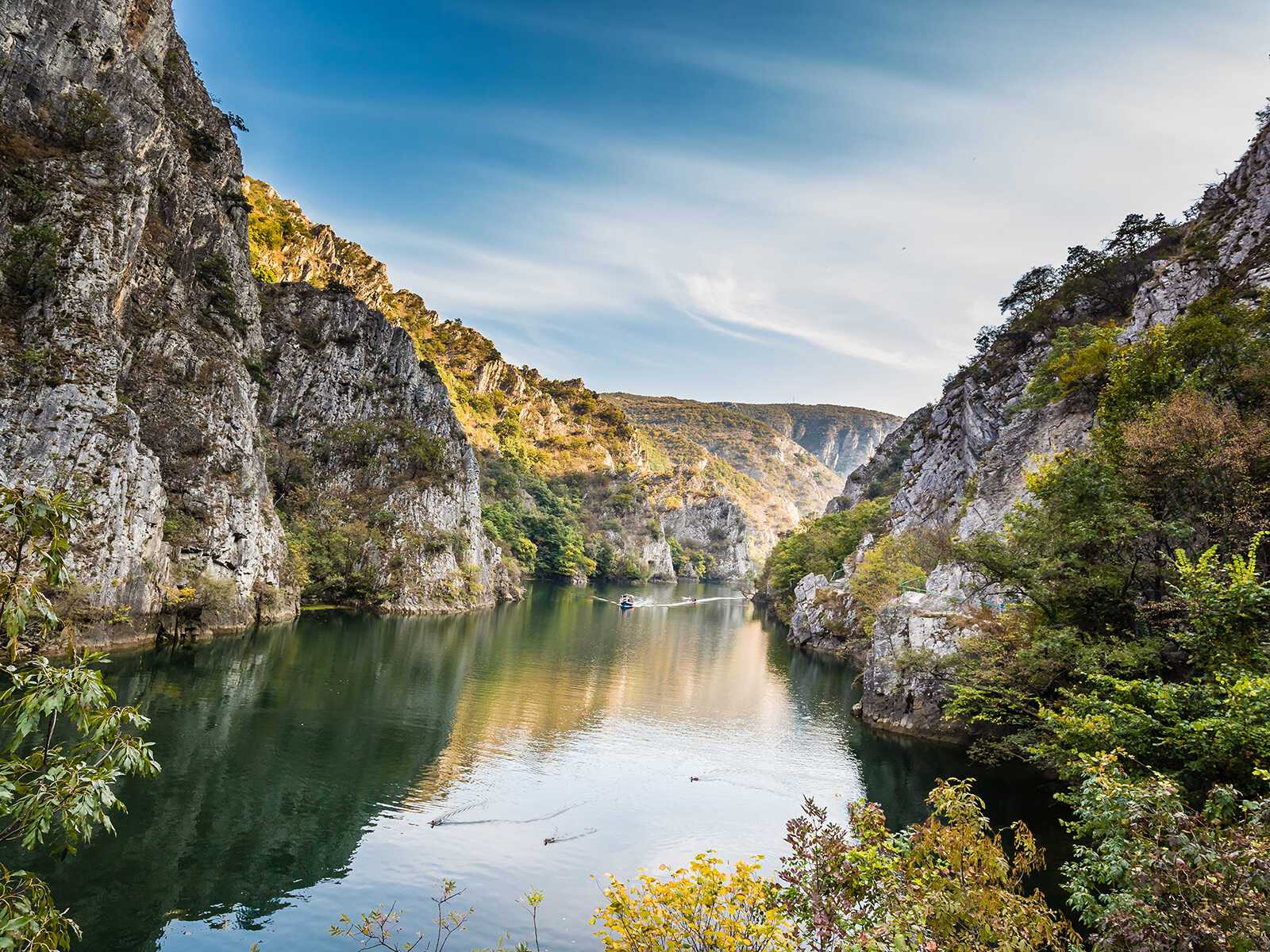
- Beyond History:After immersing yourself in Skopje's past, consider a day trip to the stunning natural beauty of Canyon Matka, just a short drive from the city, for a change of scenery.
A Journey Through Time and Culture
Skopje's Islamic past, anchored by monuments like Pasha's Mosque and the bustling Old Bazaar, is a testament to the city's enduring resilience and rich cultural tapestry. It's a place where history isn't just preserved in museums but lives on in the daily rhythms of its people, the aroma of spices, and the echoes of centuries-old calls to prayer. A visit here is more than just sightseeing; it's an immersive journey into a fascinating chapter of European and Islamic history, inviting you to discover the heart and soul of North Macedonia's capital.