
From Monastery to Mosque: Religious Sites in North Macedonia Worth Visiting
North Macedonia is a land where ancient civilizations and empires have converged, leaving behind a profound legacy of diverse faiths. From magnificent Orthodox Christian monasteries nestled in dramatic landscapes to exquisitely adorned Ottoman-era mosques, the country offers a unique spiritual journey through centuries of religious heritage.
Exploring North Macedonia's religious sites is to witness a vibrant tapestry of cultures and traditions that have coexisted for generations. This article guides you through some of the most significant and captivating places of worship, showcasing the architectural splendor, artistic mastery, and deep spiritual roots that define this Balkan nation.
Orthodox Christian Heritage: Ancient Monasteries and Churches
The majority of North Macedonia's population identifies as Orthodox Christian, and this is reflected in the abundance of stunning monasteries and churches scattered across the country. These sites are not merely places of worship but also repositories of art, history, and national identity.
Ohrid: The "Jerusalem of the Balkans"
Often hailed as the spiritual heart of North Macedonia, Ohrid and its surrounding region boast an extraordinary concentration of churches and monasteries, earning it UNESCO World Heritage status. A stroll through Varosh Old Town Ohrid reveals a history etched in stone and fresco.
- Church of St. John at Kaneo:Perched dramatically on a cliff overlooking Lake Ohrid, this iconic 13th-century church offers breathtaking views and is perhaps the most photographed symbol of Ohrid. Its simple yet elegant architecture perfectly complements the natural beauty of its surroundings.
- Church of St. Sophia:Dating back to the 9th century, this former cathedral is one of the most important monuments in North Macedonia. It features impressive Byzantine frescoes from the 11th, 12th, and 13th centuries, offering a rare glimpse into medieval religious art.
- Plaošnik and St. Clement's Monastery:This archaeological complex is believed to be the site of the first university of the Slavic peoples, founded by St. Clement of Ohrid in the 9th century. The reconstructed St. Clement's Church, with its intricate frescoes, stands atop the ruins of an early Christian basilica, making it a pivotal site for understanding Slavic literacy and Christianity.
- St. Naum Monastery:Located at the southern end of Lake Ohrid, near the Albanian border, this beautiful monastery was founded by St. Naum in the 9th century. Its serene setting, resident peacocks, and the tomb of St. Naum himself create a profoundly peaceful atmosphere.
Bigorski Monastery (St. John the Baptist)
Nestled in the lush forests of the Radika River valley, the Bigorski Monastery is one of North Macedonia's most revered spiritual centers. Close to National park Mavrovo, its stunning natural setting enhances its spiritual allure.
The monastery is famous for its exquisitely carved wooden iconostasis, considered one of the finest examples of woodcarving in the Balkans. Crafted by Mijak master carvers in the 19th century, it depicts intricate scenes from the Bible and the lives of saints. The monastery is an active community, offering a glimpse into monastic life and a profound sense of tranquility.
Treskavec Monastery
For those seeking adventure alongside spiritual discovery, Treskavec Monastery offers an unforgettable experience. Perched high on Zlatovrv Peak near the city of Prilep, this 12th-century monastery is accessible via a challenging yet rewarding hike or a rugged off-road drive. Its remote location has preserved its ancient frescoes and unique architecture, making it feel like a step back in time. The panoramic views from the monastery are simply spectacular.
Monasteries of Canyon Matka
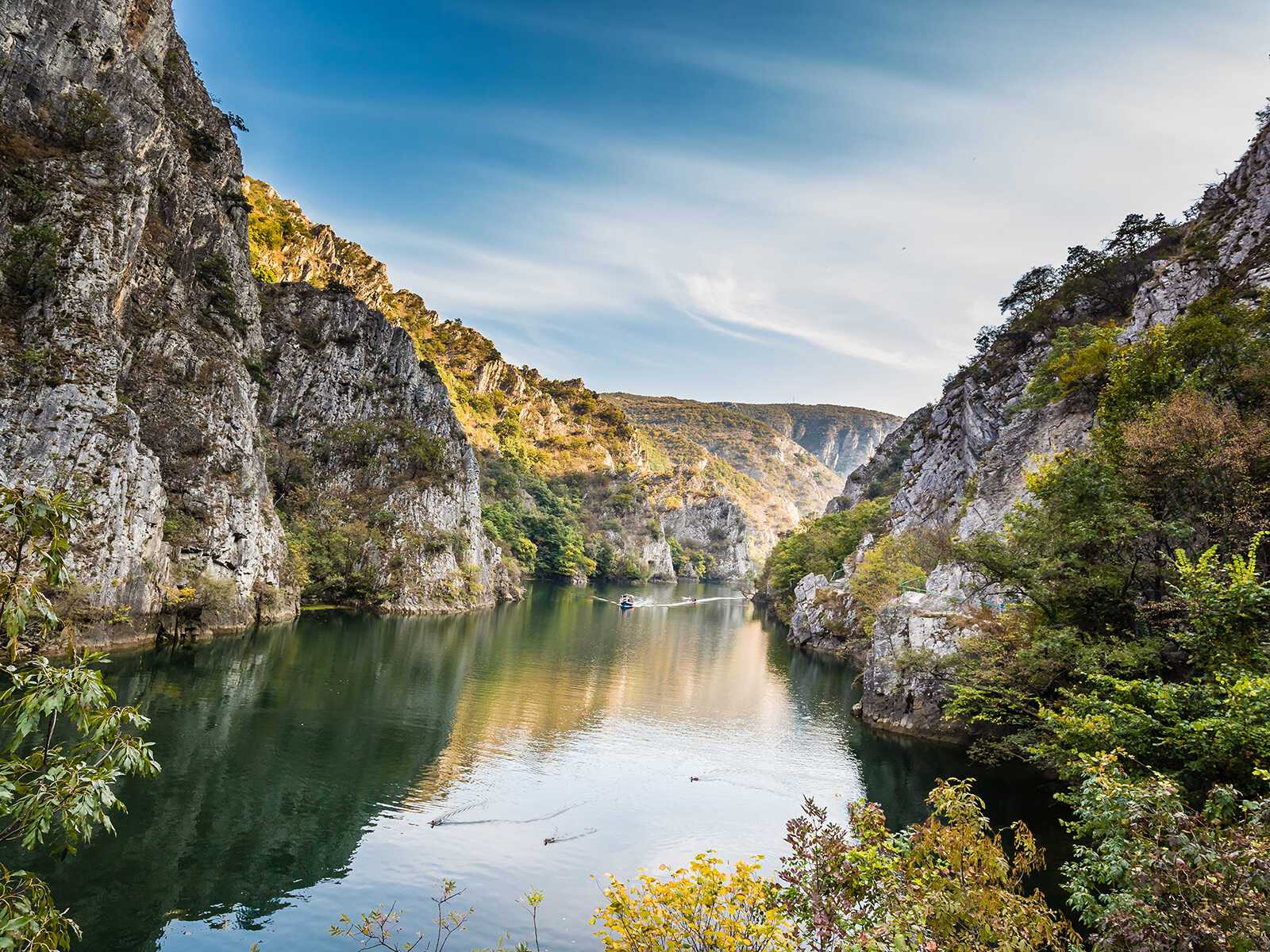
The breathtaking Canyon Matka, just a short drive from Skopje, is home to several medieval monasteries. The most notable include St. Andrew Monastery, dating back to the 14th century, which can be reached by boat or a scenic walk. Its frescoes are remarkably well-preserved, offering a glimpse into Byzantine art in a dramatic natural setting. Other smaller monasteries like St. Nikola Šiševski and the Monastery of the Holy Mother of God also dot the canyon's cliffs, often requiring a boat ride or a hike to reach.
Other Notable Orthodox Sites
- St. George Monastery (Kurbinovo):Near Lake Prespa, this small church from 1191 is significant for its early Byzantine frescoes, particularly the famous fresco of Archangel Gabriel, considered a masterpiece of Komnenian art.
- Zletovo Monastery:Located near the mining town of Zletovo, this monastery houses important frescoes and offers a more secluded, authentic experience away from the main tourist routes.
Islamic Heritage: Majestic Mosques and Ottoman Architecture
The Ottoman Empire's long presence in North Macedonia has left an equally rich legacy of Islamic architecture, particularly in its mosques, which stand as vibrant centers of faith and cultural landmarks.
Skopje Old Bazaar
The heart of Islamic heritage in the capital, Skopje's Old Bazaar is a labyrinth of cobblestone streets, artisan shops, and historic mosques. Two of the most prominent include:
- Mustafa Pasha Mosque:Built in 1492, this elegant mosque is one of the most beautiful Ottoman buildings in Skopje. Its well-preserved interior features delicate decorations and a serene atmosphere, offering a peaceful respite from the bustling bazaar.
- Sultan Murad Mosque:Dating back to the 15th century, this is one of the oldest mosques in Skopje. Alongside the mosque, the complex includes a clock tower and the tomb of its founder, Sultan Murad II, showcasing significant Ottoman architectural elements.
The Painted Mosque (Šarena Džamija), Tetovo
Undoubtedly one of North Macedonia's most unique and visually stunning religious sites,Pasha's Mosque, also known as the Painted Mosque or Šarena Džamija in Tetovo, is a masterpiece of Ottoman baroque architecture. Unlike traditional mosques adorned with calligraphy, its exterior and interior are covered in vibrant, intricate frescoes depicting floral motifs, landscapes, and geometric patterns. Built in 1438 and extensively rebuilt in 1833, its lively colors and artistic detail make it a truly captivating sight.
Ali Pasha Mosque, Ohrid
While Ohrid is predominantly known for its churches, the Ali Pasha Mosque stands prominently in the city center, a testament to its multi-religious past. Built in the 16th century, its distinctive minaret and dome contribute to the city's diverse skyline, offering another layer to Ohrid's rich historical narrative.
Travel Tip:When visiting religious sites, especially active places of worship, always dress modestly. This typically means covering shoulders and knees. Women may be asked to cover their heads in mosques, so carrying a scarf is advisable. Always be respectful of ongoing services and local customs.
Practical Advice for Visitors
- Dress Code:As mentioned, modest attire is essential. For women, a head covering might be required in mosques.
- Footwear:Be prepared to remove your shoes before entering mosques and some monasteries.
- Photography:Always ask for permission before taking photos, especially inside active places of worship or of individuals. Flash photography is often prohibited to protect ancient frescoes.
- Timing:Many monasteries are still active and may have specific visiting hours or closures during religious services. It's wise to check in advance.
- Accessibility:Some older monasteries, like Treskavec, are in remote locations and may require significant walking or off-road vehicles to reach.
- Local Guides:Consider hiring a local guide, especially in places like Ohrid or Skopje's Old Bazaar. Their insights into the history, art, and religious significance can greatly enrich your experience.
Conclusion
North Macedonia offers an incredibly rich and diverse spiritual landscape, where the echoes of Byzantine chants blend with the call to prayer from minarets. From the ancient monasteries that cling to dramatic cliffsides to the vibrantly painted mosques that stand as artistic marvels, each site tells a story of faith, resilience, and coexistence.
Embarking on a journey through North Macedonia's religious sites is more than just sightseeing; it's an immersive experience into the soul of a nation defined by its profound spiritual heritage. Whether you are an art historian, a spiritual seeker, or simply a curious traveler, these sacred spaces promise an unforgettable exploration of a country where history and faith are deeply intertwined.