
Best Time to Visit North Macedonia: A Seasonal Guide for Travelers
North Macedonia, a landlocked gem in the heart of the Balkans, offers a rich tapestry of history, culture, and stunning natural beauty. Choosing the right time to visit can significantly enhance your experience, whether you're seeking sun-drenched lakes, snow-capped mountains, or vibrant cultural festivals.
From ancient ruins and Byzantine monasteries to bustling bazaars and pristine national parks, this captivating country has something for every traveler. Understanding its distinct seasons will help you plan the perfect adventure, tailored to your interests and desired activities.
Understanding North Macedonia's Climate
North Macedonia experiences a transitional climate, blending continental characteristics with Mediterranean influences, particularly in its southern regions. This results in hot, dry summers and cold, snowy winters, with pleasant shoulder seasons in between. The country's mountainous terrain also creates microclimates, meaning temperatures and conditions can vary significantly from one region to another.
Overall Best Time to Visit North Macedonia
Generally, theshoulder seasons of late spring (May to early June) and early autumn (September to October)are considered the best times to visit North Macedonia. During these months, the weather is pleasantly mild, ideal for sightseeing, hiking, and exploring without the intense heat of summer or the chill of winter. You'll also encounter fewer crowds and more moderate accommodation prices.
A Seasonal Breakdown of North Macedonia
Spring (March – May): Awakening Landscapes and Mild Weather
- Weather:Spring brings a gradual warming, with March still feeling cool, especially in the mountains. April sees pleasant temperatures, and by May, the weather is warm and sunny, perfect for outdoor activities. Rainfall is moderate, helping to bring the landscapes to life.
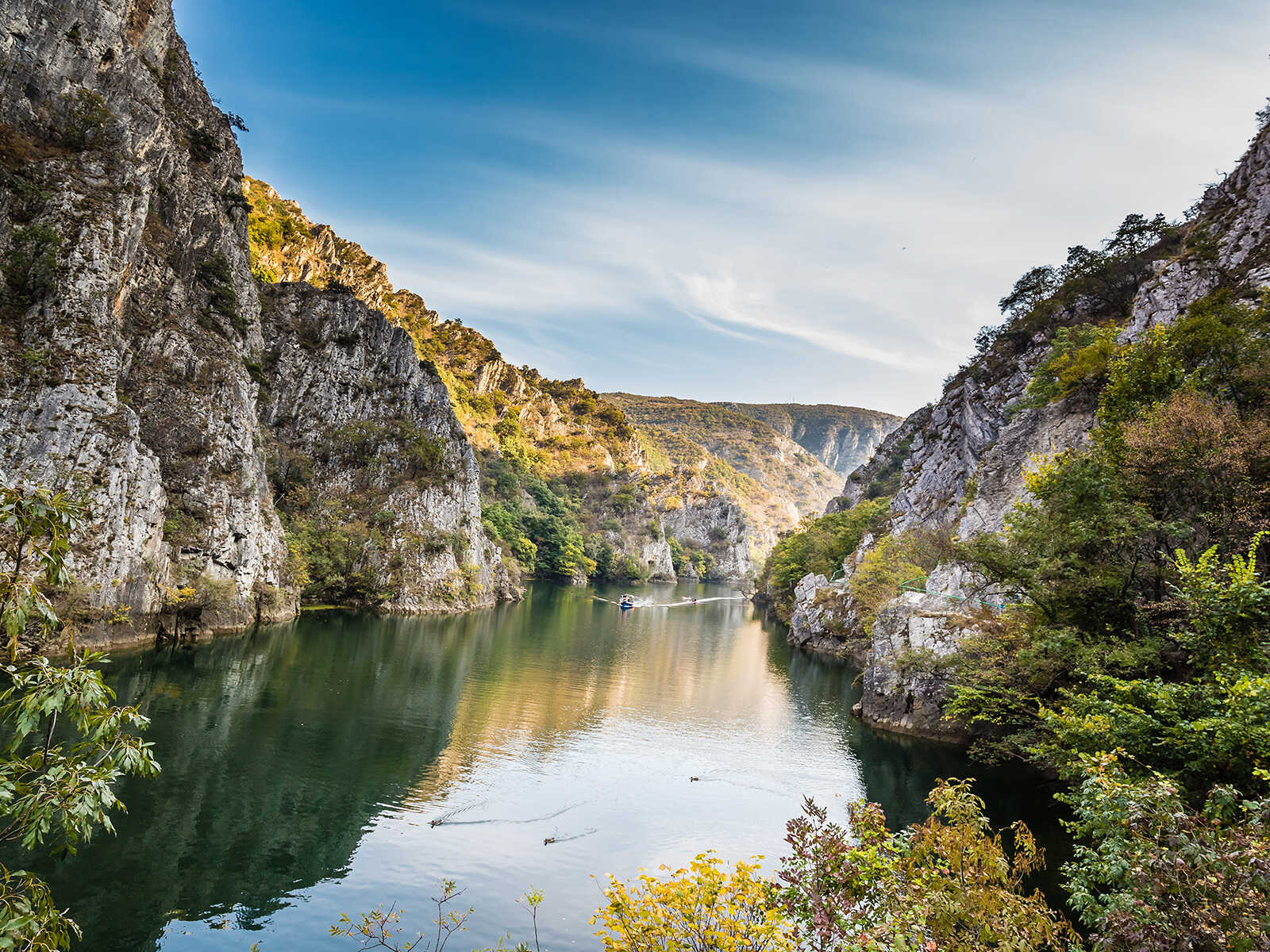
- Activities:This is an excellent time for hiking in national parks like National park Mavrovo, exploring ancient sites like Stobi, and enjoying the blossoming nature. Lake Ohrid and Canyon Matka are beautiful before the summer crowds arrive.
- Pros:Mild temperatures, fewer tourists, vibrant green landscapes, wildflowers in bloom.
- Cons:Some higher mountain trails might still have snow in early spring; occasional rain showers.
Summer (June – August): Sun, Lakes, and Festivals
- Weather:Summers are hot and dry, especially in the lowlands and cities like Skopje, with temperatures often exceeding 30°C (86°F). Mountainous areas and lakeside resorts offer welcome relief with cooler evenings.
- Activities:Summer is peak season for swimming, sunbathing, and water sports on Lake Ohrid and Lake Prespa. Hiking in higher altitudes is popular, and many cultural festivals take place. Exploring the charming Varosh Old Town Ohrid is a must, perhaps followed by a refreshing dip in the lake.
- Pros:Ideal for lake activities, vibrant nightlife, numerous festivals, consistent sunshine.
- Cons:Can be very hot, especially in July and August; larger crowds at popular spots; higher prices for accommodation.
Traveler's Tip:When visiting North Macedonia in summer, always carry water, wear a hat, and plan outdoor activities for early mornings or late afternoons to avoid the midday heat.
Autumn (September – November): Golden Hues and Harvest Flavors
- Weather:Autumn offers some of the most beautiful weather, with warm, sunny days in September and October gradually giving way to cooler, crisper temperatures in November. The landscapes transform into stunning shades of gold, red, and orange.
- Activities:This is prime time for wine tasting, especially in the Tikveš region, home to the famous Tikveš winery, as the grape harvest begins. Hiking remains excellent, and exploring cultural sites is comfortable. September is often warm enough for a final swim in the lakes.
- Pros:Perfect weather for sightseeing and outdoor activities, fewer tourists than summer, beautiful autumn foliage, harvest festivals.
- Cons:Days shorten as the season progresses; possibility of cooler, rainy days towards late autumn.
Winter (December – February): Snowy Peaks and Winter Sports
- Weather:Winters are cold, with significant snowfall, particularly in the mountainous regions. Temperatures often drop below freezing, making for picturesque snowy landscapes.
- Activities:North Macedonia becomes a winter wonderland, offering opportunities for skiing and snowboarding in resorts like Popova Šapka near Tetovo or Mavrovo in National park Mavrovo. The town of Kruševo, known for its unique architecture, also offers winter charm. Cities like Skopje are festive with Christmas markets.
- Pros:Excellent for winter sports enthusiasts, magical snowy scenery, fewer international tourists.
- Cons:Many hiking trails are inaccessible; some rural roads might be challenging to navigate; limited daylight hours.
Visiting North Macedonia Based on Your Interests
For Adventure and Outdoors Enthusiasts
Theshoulder seasons (late spring and early autumn)are ideal for hiking, mountain biking, and exploring natural wonders like Canyon Matka. If skiing or snowboarding is your passion,winter (December to February)is undoubtedly the best time, particularly in National park Mavrovo. For swimming and water sports, aim forsummer (June to August)at Lake Ohrid or Lake Prespa.
For Culture and History Buffs
Any time outside of peak summer heat is good for exploring North Macedonia’s rich history.Spring and autumnoffer comfortable temperatures for wandering through ancient cities like Stobi, discovering the churches of Varosh Old Town Ohrid, or visiting historical sites in Prilep, including the impressive Pasha's Mosque. Even winter can be enchanting for urban exploration and museum visits.
For Wine and Gastronomy Lovers
Autumn (September and October)is the undisputed champion for wine enthusiasts. This is harvest season, offering the best opportunities for vineyard tours and tastings, especially in the Tikveš region around Tikveš winery. Many local restaurants also feature seasonal produce and traditional dishes during this time.
For Festivals and Events
Summer (July and August)is the peak season for cultural festivals, including the famous Ohrid Summer Festival. However, many smaller, vibrant events occur throughout the year. Spring often sees religious holidays and local celebrations, while autumn brings harvest festivals. Check local listings for specific dates relevant to your travel window.
Conclusion
North Macedonia is a year-round destination, with each season offering a unique appeal. For the broadest range of comfortable outdoor activities and sightseeing,late spring and early autumn stand out. However, if you dream of sun-drenched lakes, summer is for you, and winter sports enthusiasts will find their paradise in the snow-covered mountains. By aligning your visit with your personal interests, you're sure to have an unforgettable journey through this enchanting Balkan nation.