
Crossing the Border into Nicaragua: What You Need to Know
Embarking on an adventure to Nicaragua promises vibrant culture, stunning landscapes, and unforgettable experiences. Whether you're arriving by land from Costa Rica or Honduras, navigating the border crossing can seem daunting, but with the right preparation, it's a straightforward part of your journey. This guide provides practical, up-to-date information to ensure a smooth entry into the Land of Lakes and Volcanoes.
Why Visit Nicaragua?
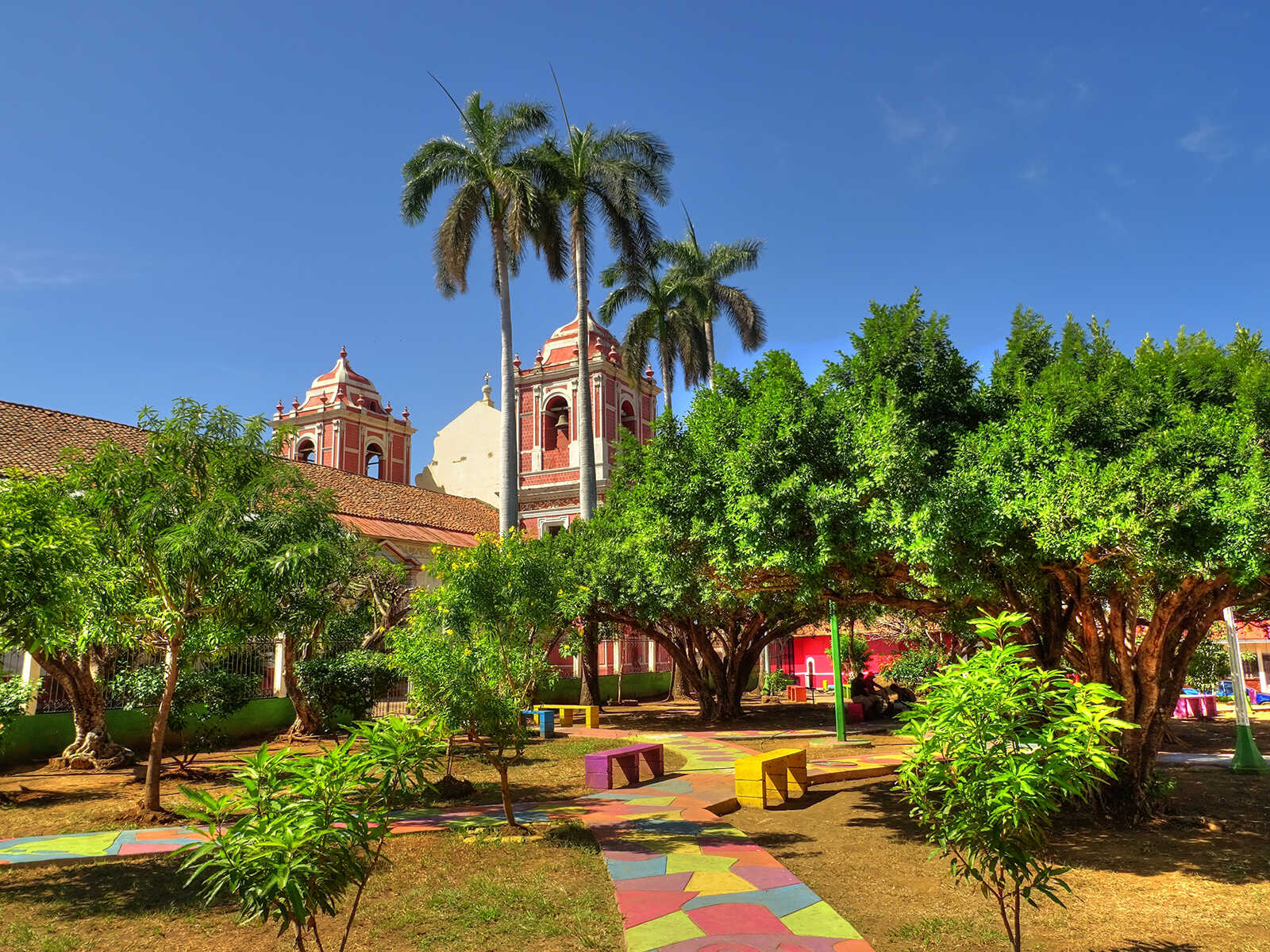
Nicaragua, Central America's largest country, offers an incredible diversity that appeals to all types of travelers. From the colonial charm of Granada and León to the thrilling volcano boarding down Cerro Negro, there's an endless array of activities. Explore the serene waters of Apoyo Lagoon, discover the unique ecosystems of Ometepe Island, or unwind on the Pacific beaches like Playa San Juan del Sur and Playa Maderas. The country also boasts incredible natural wonders such as the active Masaya Volcano and the lush cloud forests of Mombacho.
Major Land Border Crossings
Most travelers entering Nicaragua by land do so from Costa Rica to the south or Honduras to the north. Understanding the specific procedures for each crossing point is key.
Peñas Blancas (Costa Rica - Nicaragua)
This is by far the most popular and busiest land border crossing, connecting Nicaragua with Costa Rica. It's often bustling with tourists, locals, and cargo trucks. Expect queues, especially during peak seasons or holidays.
- For Pedestrians:Buses from Costa Rican cities (like San José or Liberia) will drop you off near the border. You'll walk through the Costa Rican immigration, then proceed to the Nicaraguan side.
- For Buses:International buses (e.g., Tica Bus, Nica Bus, TransNica) typically handle the process for you, guiding you through each step. You'll get off the bus, go through immigration, and then re-board.
- For Private Vehicles:This involves more paperwork, including vehicle permits, insurance, and fumigation. Be prepared for a more time-consuming process.
El Guasaule (Honduras - Nicaragua)
Located on the western side of Nicaragua, El Guasaule is a common crossing for those traveling from Honduras, particularly for destinations like León or Chinandega. It's generally less hectic than Peñas Blancas but still requires patience.
Las Manos (Honduras - Nicaragua)
Situated on the eastern side, Las Manos is another option for travelers coming from Honduras, leading towards cities like Estelí or Matagalpa. This route might be preferred by those looking to explore northern Nicaragua, including Reserva Natural Miraflor or Cañón de Somoto.
Essential Documents and Requirements
Before you even approach the border, ensure you have these critical items ready:
- Valid Passport:Your passport must be valid for at least six months beyond your intended departure date from Nicaragua.
- Visa Requirements:Most Western nationalities (including US, Canadian, EU, UK, Australian citizens) do not require a pre-arranged visa. Instead, you'll purchase a tourist card upon arrival, which typically allows a stay of up to 90 days. Always check the latest requirements for your specific nationality before traveling.
- Onward/Return Ticket:While not always requested, Nicaraguan immigration officials can ask for proof of onward or return travel. This could be a bus ticket, flight reservation, or even a detailed travel itinerary.
- Proof of Sufficient Funds:Rarely requested, but officials can ask for proof that you have enough money to support yourself during your stay.
- Yellow Fever Vaccination Certificate:If you are arriving from a country with a risk of Yellow Fever transmission (e.g., certain countries in South America or Africa), you will need to present a valid Yellow Fever vaccination certificate. Check the latest health guidelines.
Traveler Tip:Always carry photocopies of your passport's main page and any entry stamps. Keep them separate from your original documents in case of loss or theft.
The Border Crossing Process: Step-by-Step
While specifics can vary slightly between borders and modes of transport, the general procedure remains consistent.
1. Exiting the Previous Country
First, you'll need to formally exit the country you're leaving (e.g., Costa Rica or Honduras).
- Immigration:Present your passport to the immigration official. They will stamp you out of the country.
- Exit Fee:Some countries (like Costa Rica) have an exit fee. This is usually paid at a designated window before or after immigration.
2. Entering Nicaragua
Once you've exited the previous country, you'll proceed to the Nicaraguan side of the border.
- Fumigation (for Vehicles):If you are in a private vehicle, it will undergo a mandatory fumigation process. A small fee is typically charged for this.
- Immigration:
- Queue for Nicaraguan immigration.
- Present your valid passport.
- You will purchase a tourist card (often referred to as a "visa"). This is a fee-based entry permit.
- Officials will usually take your photograph and fingerprints.
- Answer any questions about your purpose of visit and intended length of stay.
- Your passport will be stamped with your entry date and the duration of your authorized stay.Always check this stamp carefully!
- Customs:
- After immigration, you'll pass through customs.
- Your bags may be subject to a search, either manually or via an X-ray machine. Be prepared to open your luggage.
- Declare any dutiable items.
- Vehicle Permit (for Private Vehicles):If driving, you'll need to obtain a temporary import permit for your vehicle and purchase local vehicle insurance. This process can be lengthy and involves multiple stops at different offices.
Tips for a Smooth Crossing
- Be Patient:Border crossings can be slow and unpredictable. Embrace the wait as part of the travel experience.
- Have Small Bills & Local Currency:Fees for tourist cards, exit stamps, and fumigation are often paid in US dollars or the local currency (Córdobas in Nicaragua, Colones in Costa Rica, Lempiras in Honduras). Small denominations are always preferred.
- Stay Vigilant:Borders can attract opportunistic individuals. Keep an eye on your belongings and be aware of your surroundings.
- Avoid "Fixers" or "Coyotes":You might be approached by individuals offering to "help" you through the border for a fee. While some might be legitimate, many are not. It's best to follow official signs and procedures yourself to avoid scams or overpaying.
- Dress Appropriately:Respect local customs. Modest attire is generally advisable, especially in official settings.
- Know Your Next Destination:Have an idea of where you're headed after the border, whether it's Ometepe, Granada, or San Juan del Sur. This helps if officials ask and for arranging onward transport.
- Learn Basic Spanish Phrases:Even a few words like "Hola," "Gracias," "Cuánto cuesta?" (How much does it cost?), and "No, gracias" can be very helpful.
- Keep Documents Handy but Secure:Have your passport and any required documents easily accessible, but always keep them in a secure place on your person.
Getting Around After the Border
Once you've successfully crossed into Nicaragua, you'll find various options for onward travel:
- Buses:"Chicken buses" (former US school buses) are the most common and cheapest form of public transport. Express microbuses also run between major towns.
- Taxis:Available outside the border. Negotiate the fare before getting in, as meters are rare.
- Shared Shuttles:For popular tourist destinations like Granada, León,Ometepe, or San Juan del Sur, shared shuttle services are often available and can be pre-booked or arranged at the border.
- Rental Cars:If you're driving your own vehicle, ensure you have all the necessary permits and insurance.
What to Expect After Crossing
You've made it! After completing the border formalities, you'll step into the heart of Nicaragua.
- Currency Exchange:Money changers (cambistas) will likely approach you, but their rates might not be the best. It's often better to exchange a small amount for immediate needs and then use an ATM in a larger town.
- SIM Cards:Local SIM cards from Claro or Tigo are readily available for purchase just past the border or in the nearest town.
- First Impressions:Prepare for a sensory explosion! Nicaragua is a country of vibrant colors, bustling markets, friendly faces, and a rich cultural tapestry waiting to be explored.
Conclusion
Crossing the border into Nicaragua is an integral part of the adventure. While it might require patience and attention to detail, being well-informed and prepared will make the process much smoother. With your documents in order and an open mind, you'll soon be enjoying the incredible beauty and hospitality that Nicaragua has to offer. Safe travels!