
Best Time to Visit Nicaragua: Weather, Events & Travel Tips
Nicaragua, Central America's largest country, offers an intoxicating blend of natural beauty, rich culture, and thrilling adventures. To truly maximize your experience in this captivating destination, understanding its distinct seasons and regional variations is key to planning the perfect trip.
Understanding Nicaragua's Climate
Nicaragua experiences a tropical climate with two primary seasons: a dry season and a wet season. While temperatures generally remain warm year-round, humidity and rainfall vary significantly, influencing everything from landscape vibrancy to road conditions and crowd levels.
The Dry Season (December to April)
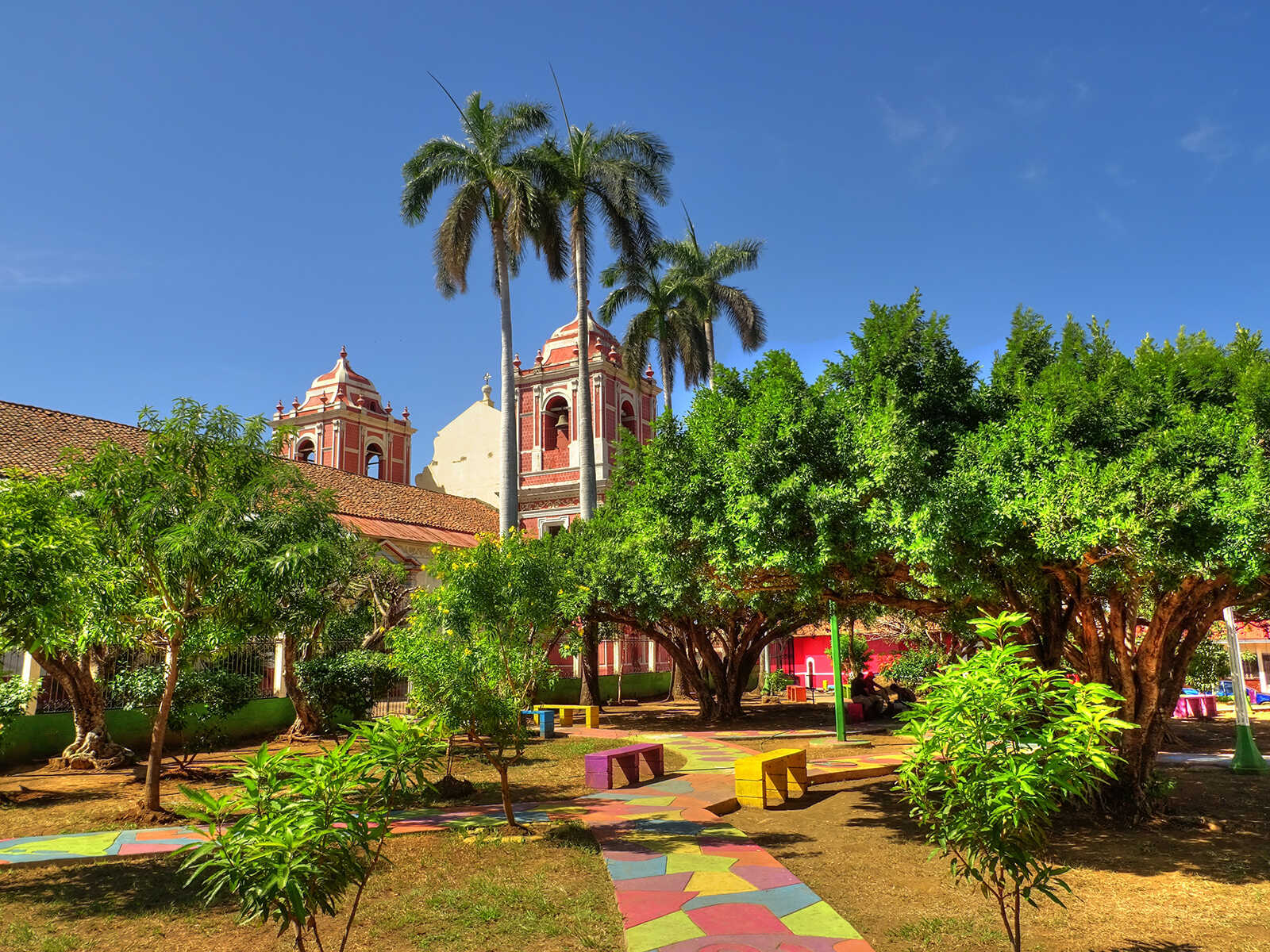
Often considered the most popular time to visit, Nicaragua's dry season is characterized by abundant sunshine, lower humidity, and minimal rainfall. This period offers consistently pleasant weather, making it ideal for exploring the country's diverse attractions.
- Weather:Expect clear blue skies and average temperatures ranging from 27°C to 32°C (80°F to 90°F). Humidity is lower, making the heat more manageable.
- Pros:
- Ideal for Outdoor Activities:Perfect for beach holidays, hiking volcanoes like Cerro Negro or Mombacho, and exploring the lush landscapes of Ometepe.
- Accessibility:Roads are in their best condition, making travel between destinations smoother.
- Festivals:Coincides with major holidays like Christmas, New Year's, and Semana Santa (Easter), bringing vibrant cultural celebrations.
- Clear Skies:Excellent for stargazing and enjoying scenic views, such as those from Masaya Volcano at night.
- Cons:
- Crowds:This is peak tourist season, especially around holidays. Popular spots like Playa San Juan del Sur can get busy.
- Higher Prices:Accommodation and tour prices tend to be higher due to increased demand.
- Dusty Conditions:Landscapes, particularly in the Pacific lowlands, can become quite dry and dusty by the end of the season.
The Wet Season (May to November)
Also known as the "green season," the wet season brings refreshing rains that transform Nicaragua into a vibrant, verdant paradise. While rain showers are common, they often occur in the afternoon, leaving mornings clear and sunny.
- Weather:Temperatures remain warm, ranging from 25°C to 30°C (77°F to 86°F), but humidity is higher. Rainfall typically comes in heavy, short bursts, often in the late afternoon or evening.
- Pros:
- Lush Landscapes:The entire country is incredibly green and beautiful, perfect for nature lovers and photographers. Regions like Reserva Natural Miraflor flourish.
- Fewer Crowds:Generally, fewer tourists mean a more tranquil experience and easier access to popular sites.
- Lower Prices:Many accommodations and tour operators offer discounted rates.
- Surfing:The wet season, particularly from May to October, brings consistent south swells to the Pacific coast, making it prime time for surfing at spots like Playa Maderas.
- Wildlife:Increased water sources mean more active wildlife viewing opportunities.
- Cons:
- Rain:Daily rain showers can disrupt plans, though they are often predictable.
- Road Conditions:Unpaved roads, especially in rural areas, can become muddy and challenging to navigate.
- Mosquitoes:Higher humidity and standing water can lead to more mosquitoes.
- Hurricane Risk:The latter part of the wet season (September to November) carries a low risk of hurricanes, particularly affecting the Caribbean coast.
Nicaragua's Regional Climate Variations
While the general dry and wet seasons apply nationwide, Nicaragua's diverse geography leads to distinct microclimates:
- Pacific Lowlands:This region, home to popular beaches like Playa San Juan del Sur and colonial cities, is the hottest and driest part of the country, especially during the dry season.
- Central Highlands:Areas like Reserva Natural Miraflor and Matagalpa are higher in elevation, resulting in cooler temperatures and often more consistent rainfall throughout the year, supporting cloud forests and coffee plantations.
- Caribbean Coast (Atlantic):Including the Corn Islands, this region has a more tropical rainforest climate, receiving higher rainfall totals and experiencing a less pronounced dry season. Rain can occur year-round here, though September and October tend to be the wettest months.
Key Events and Festivals
Nicaragua's vibrant culture is showcased through its numerous festivals. Timing your visit with one can add an enriching dimension to your trip:
- December:La Purísima(The Immaculate Conception) andGriteria(Shouting) are celebrated nationwide, particularly in León and Granada, with altars, fireworks, and gifts. Christmas and New Year's are also widely celebrated.
- March/April:Semana Santa(Easter Holy Week) is a major holiday, with solemn processions and lively beach celebrations. Many locals travel, so book accommodation well in advance.
- May:Palo de Mayoin Bluefields, on the Caribbean coast, is a lively Afro-Caribbean celebration of fertility and spring.
- July:Fiesta de Santiago Apóstolin Jinotepe features traditional dances and a colorful parade.
- August:Santo Domingo de Guzmánin Managua is a massive, energetic festival with parades, traditional music, and dancing.
- September:Independence Day(September 15th) is celebrated with parades and patriotic events across the country.
Best Time for Specific Activities
- Surfing:For consistent, powerful swells on the Pacific coast, the wet season (May to November) is generally best, with May through October offering excellent conditions at breaks like Playa Maderas. The dry season still offers waves, but they are typically smaller.
- Hiking & Volcano Trekking:The dry season (December to April) provides clearer trails and less muddy conditions for exploring volcanoes like Cerro Negro or trekking around Ometepe. However, the wet season offers stunning, verdant scenery, provided you don't mind a bit of mud.
- Wildlife Viewing:The wet season brings out the lush foliage and with it, many animals, particularly birds. Turtle nesting season on the Pacific coast typically runs from July to December.
- Beach Relaxation:The dry season (December to April) guarantees sunny days for relaxing on beaches such as Playa San Juan del Sur.
- Exploring Colonial Cities:Cities like Granada and León are enjoyable year-round. The dry season offers more comfortable walking weather, while the wet season means fewer crowds and a cooler atmosphere. Consider a boat tour of the Islets of Granada any time of year.
- Adventure Activities:Canyoning in Cañón de Somoto or kayaking on Apoyo Lagoon can be done in either season, but the dry season offers more predictable weather for multi-day excursions.
Traveler Tip:While the dry season is popular, don't discount the wet season. The "green season" offers a unique charm with vibrant landscapes, fewer tourists, and often more affordable travel. Just be prepared for afternoon showers!
Travel Tips for Visiting Nicaragua
- Book Ahead:If traveling during the dry season, especially around major holidays, secure your flights, accommodations, and popular tours well in advance.
- Pack Smart:
- Dry Season:Light, breathable clothing, swimwear, sun hat, sunglasses, high-SPF sunscreen, insect repellent (especially for evenings).
- Wet Season:Lightweight rain jacket or poncho, waterproof daypack, quick-drying clothing, waterproof shoes or sandals with good grip, insect repellent.
- Stay Hydrated:Regardless of the season, Nicaragua is warm. Drink plenty of water.
- Flexible Itinerary:Especially during the wet season, be prepared for potential delays due to rain or road conditions. Embrace the flexibility!
- Local Transport:Chicken buses are a quintessential Nicaraguan experience. Taxis and private shuttles are also readily available.
Ultimately, the "best" time to visit Nicaragua depends on your personal preferences and what you hope to experience. Whether you crave sun-drenched beaches and clear skies or lush, vibrant landscapes and fewer crowds, Nicaragua offers a memorable adventure year-round. By understanding the seasonal nuances, you can tailor your trip to perfectly match your travel style.