
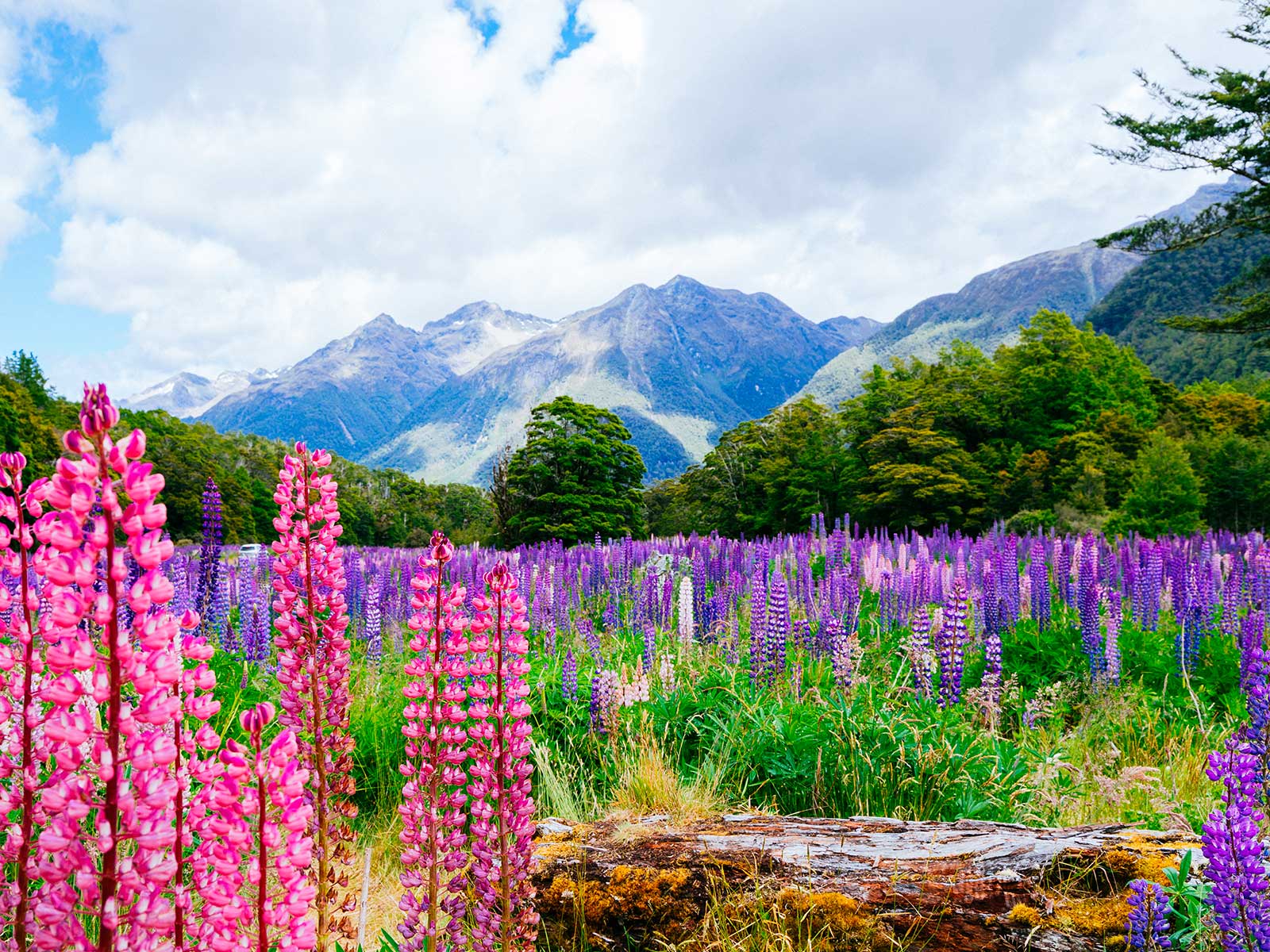
Getting Around New Zealand: Driving, Campervans & Buses
New Zealand, a land of breathtaking landscapes and diverse experiences, beckons travelers from around the globe. To truly uncover its magic, understanding the best ways to navigate its two main islands is key. Whether you dream of open-road freedom, a home-on-wheels adventure, or a relaxed journey through stunning scenery, New Zealand offers a transport option to suit every style.
Why New Zealand Demands Thoughtful Transport
While New Zealand may seem compact on a map, its winding roads, mountainous terrain, and often spread-out attractions mean travel times can be longer than anticipated. Choosing the right mode of transport isn't just about getting from A to B; it's about enhancing your entire experience, allowing you to immerse yourself in the journey as much as the destination.
Self-Driving in New Zealand: The Ultimate Freedom
For many, hiring a car is the quintessential way to explore New Zealand. It offers unparalleled flexibility, allowing you to stray from the beaten path, stop at every scenic viewpoint, and set your own pace.
Renting a Car
Car rental agencies are plentiful at major airports and cities like Auckland,Christchurch, and Queenstown. You'll find a range of vehicles, from economical compact cars perfect for solo travelers or couples, to SUVs suitable for families or those tackling more adventurous terrain.
- International Driving Permit:Depending on your home country, you may need an International Driving Permit (IDP) alongside your valid driver's license. Always check the requirements before you travel.
- Booking Ahead:Especially during peak season (November to April), booking your rental car in advance is highly recommended to secure your preferred vehicle and potentially better rates.
Important Driving Tips for New Zealand
Driving in New Zealand is generally safe, but there are unique aspects to be aware of:
- Drive on the Left:New Zealanders drive on the left-hand side of the road. This can take some getting used to for drivers from right-hand traffic countries.
- Winding Roads:Many roads, particularly in mountainous regions like those leading to Fiordland National Park or along the West Coast towards Franz Josef Glacier, are narrow, winding, and can be steep. Allow extra time for travel.
- One-Lane Bridges:You'll encounter many one-lane bridges, especially on the South Island. Always give way to traffic already on the bridge or indicated by signs.
- Speed Limits:The open road speed limit is generally 100 km/h, and 50 km/h in urban areas, unless otherwise signposted. Always adhere to posted limits.
- Fatigue:Distances can be deceptive, and the constant stunning scenery can be distracting. Take regular breaks to avoid driver fatigue.
- Road Conditions:Be prepared for changing weather conditions, especially in winter when snow and ice can affect mountain passes. Check local road conditions before setting out.
Traveler's Tip:Don't underestimate travel times. A seemingly short distance on the map might take much longer due to winding roads and the irresistible urge to stop for photos!
Exploring by Campervan: Your Home on Wheels
The campervan culture is deeply ingrained in New Zealand, and for good reason. It offers the ultimate blend of freedom and convenience, allowing you to carry your accommodation with you.
Benefits of Campervan Travel
- Flexibility:Wake up to new views every day. Decide on the fly whether to spend an extra night by Lake Tekapo or head straight for the adventure capital of Queenstown.
- Cost-Effective:Combining transport and accommodation can often save money, especially for longer trips or groups. You also have the option to self-cater, reducing dining-out expenses.
- Immersive Experience:A campervan allows you to truly connect with New Zealand's natural beauty, often parking in stunning locations inaccessible to other travelers.
Freedom Camping & Designated Sites
New Zealand has strict rules regarding where you can park overnight. While "freedom camping" (camping outside a designated campground) is possible, it's only allowed in specific areas and usually requires aself-contained certified vehicle. This means your campervan must have a toilet, wastewater tank, and rubbish facilities.
- Department of Conservation (DOC) Campsites:DOC operates hundreds of campsites, many in incredibly scenic locations like those within Abel Tasman National Park or Tongariro National Park. These range from basic to well-equipped, often at a modest fee.
- Commercial Holiday Parks:These offer a full range of facilities, including powered sites, kitchens, showers, and laundry, and are a great option for recharging and refreshing.
- Apps and Websites:Utilize apps like CamperMate or Rankers to find legal camping spots, dump stations, and fresh water.
Navigating New Zealand by Bus: A Relaxed Approach
If you prefer to sit back, relax, and let someone else do the driving, New Zealand's bus network is an excellent choice. It's often more budget-friendly than self-driving and allows you to enjoy the scenery without the stress of navigation.
Intercity Buses
Major bus companies connect most towns and cities across both islands. Services are reliable, comfortable, and offer a great way to meet fellow travelers. Popular routes include those connecting Rotorua to Waitomo Glowworm Caves, or the scenic coastal journey to Kaikoura.
- Extensive Network:Buses reach most popular tourist destinations, making it possible to create a comprehensive itinerary.
- Scenic Routes:Many bus routes are designed to take in the most picturesque landscapes, often with commentary or photo stops.
Hop-on Hop-off Passes
For travelers wanting a balance of flexibility and convenience, hop-on hop-off bus passes are a popular option. Companies offer set routes with the ability to alight at various points, explore for a few days, and then rejoin a later bus. This is particularly good for backpackers or those on a flexible schedule, allowing for spontaneous stops in places like The Bay of Islands or Cathedral Cove.
Other Transport Options
- Ferries:The Interislander and Bluebridge ferries connect the North and South Islands between Wellington and Picton, offering a picturesque journey through the Marlborough Sounds. Shorter ferry rides are also essential for reaching islands like Waiheke Island from Auckland.
- Trains:While not as extensive as the bus network, New Zealand has a few iconic scenic train journeys, such as the TranzAlpine between Christchurch and Greymouth, and the Coastal Pacific between Picton and Christchurch.
- Domestic Flights:For covering vast distances quickly, domestic flights between major hubs like Auckland, Wellington, Christchurch, and Queenstown are efficient, though they offer less flexibility for spontaneous stops.
Choosing Your Best Way to Travel
The "best" way to get around New Zealand truly depends on your travel style, budget, and desired level of independence:
- For Ultimate Freedom:Self-driving a car or campervan.
- For Budget-Conscious & Social Travelers:Intercity buses or hop-on hop-off passes.
- For Time-Sensitive Journeys:A combination of domestic flights and local transport.
No matter your choice, planning ahead, understanding the local conditions, and embracing the journey will ensure an unforgettable adventure in Aotearoa.