
Best Time to Visit New Zealand: North vs South Island Weather
New Zealand, a land of breathtaking contrasts, offers diverse experiences year-round. Deciphering the best time to visit often hinges on understanding its unique weather patterns, particularly the noticeable differences between the North and South Islands. This guide will help you navigate the seasonal nuances to plan your perfect Kiwi adventure.
Understanding New Zealand's Climate
Nestled in the Southern Hemisphere, New Zealand's seasons are opposite to those in the Northern Hemisphere: summer runs from December to February, autumn from March to May, winter from June to August, and spring from September to November. Generally, the climate is temperate, but its long, narrow shape and mountainous terrain create significant regional variations. Expect anything from subtropical warmth in the far north to alpine conditions in the south, often within a single day!
North Island Weather: A Seasonal Guide
The North Island typically enjoys a milder, more temperate climate than its southern counterpart, with less extreme temperature variations.
North Island Summer (December - February)
- Temperatures:Warm and sunny, averaging 20-25°C (68-77°F). Humidity can be higher in the north.
- Highlights:Ideal for beach holidays, swimming, and water sports. Explore the golden sands of Cathedral Cove, relax on Waiheke Island, or enjoy marine activities in The Bay of Islands. It's perfect for city exploration in the vibrant Auckland harbors.
- Considerations:This is peak tourist season, so expect larger crowds and higher prices for accommodation and activities. Book well in advance.
North Island Autumn (March - May)
- Temperatures:Mild and settled, 15-20°C (59-68°F), with cooler evenings.
- Highlights:Often considered one of the best times to visit. The weather is stable, crowds thin out, and the scenery is beautiful with changing leaves, particularly around areas like Rotorua. Excellent for hiking, cycling, and exploring cultural sites.
- Considerations:Towards May, temperatures can drop significantly, especially inland.
North Island Winter (June - August)
- Temperatures:Cooler, ranging from 10-15°C (50-59°F) during the day, dropping to 5°C (41°F) or lower at night.
- Highlights:Fewer tourists mean a more relaxed experience. Enjoy geothermal wonders in Rotorua, or witness the magical Waitomo Glowworm Caves. Snow skiing is possible on the volcanic peaks of Tongariro National Park.
- Considerations:Higher rainfall, especially in the north and west. Some hiking trails may be closed or require more advanced gear.
North Island Spring (September - November)
- Temperatures:Gradually warming, 12-18°C (54-64°F), but still quite variable.
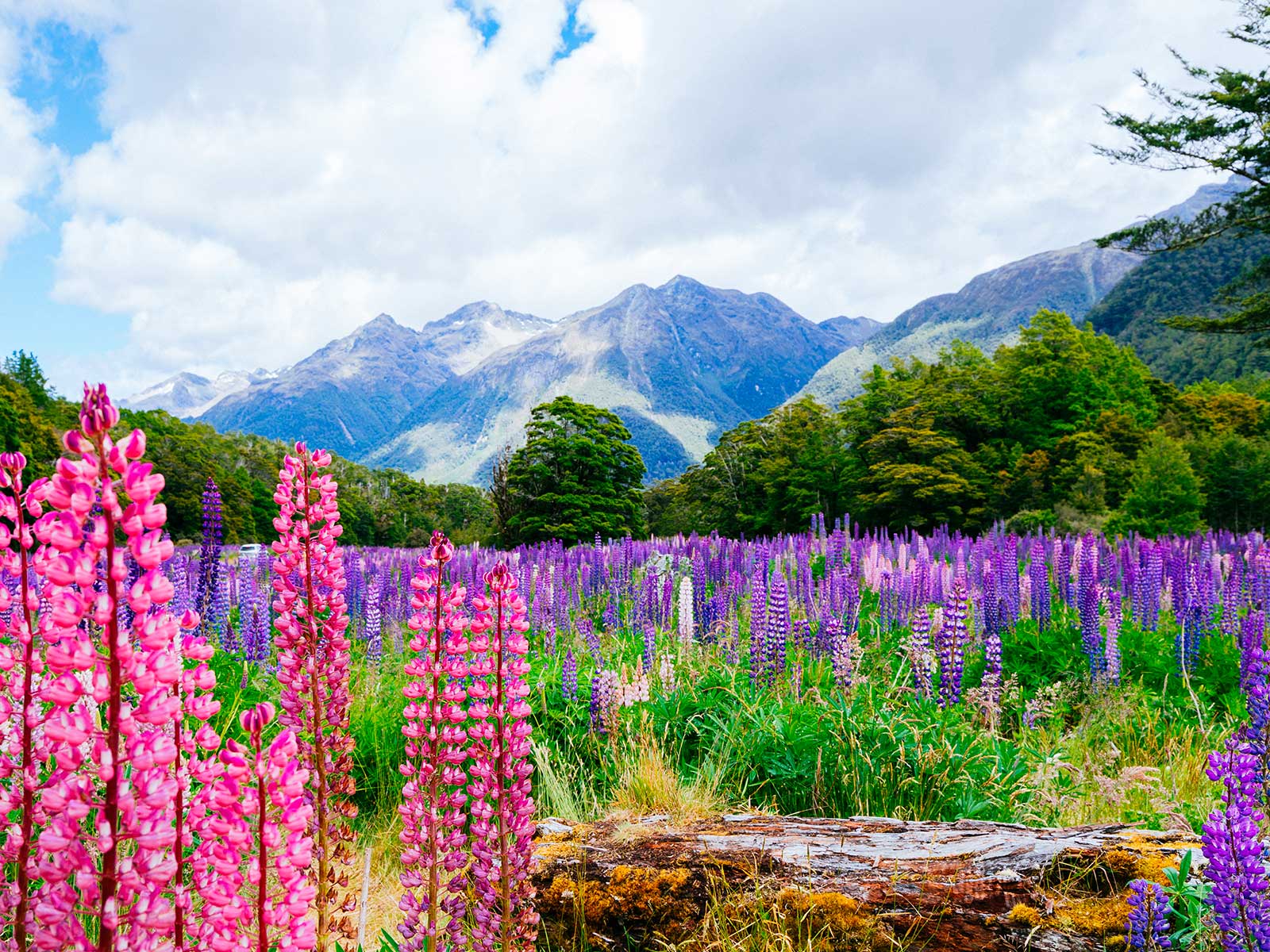
- Highlights:A season of renewal, with wildflowers blooming and newborn lambs in the fields. Good for hiking and exploring, with fewer crowds than summer. Water temperatures are still cool, but sunny days are pleasant.
- Considerations:Spring can be windy and unpredictable, with sudden showers. Be prepared for all types of weather.
South Island Weather: A Seasonal Guide
The South Island experiences more dramatic weather variations, with hotter summers and colder winters, especially in the mountainous regions.
South Island Summer (December - February)
- Temperatures:Warm to hot, 20-30°C (68-86°F) in eastern areas like Canterbury and Otago, but cooler in the mountains and along the west coast.
- Highlights:Perfect for outdoor adventures like hiking the stunning tracks of Abel Tasman National Park or Fiordland National Park. Kayaking, cycling, and exploring the adventure capital,Queenstown, are popular. The days are long, offering ample daylight for activities.
- Considerations:Peak season, so popular areas and activities can be very busy. Intense UV levels necessitate strong sun protection.
South Island Autumn (March - May)
- Temperatures:Crisp and clear, 10-20°C (50-68°F), with frosty mornings becoming more common towards May.
- Highlights:Absolutely stunning, especially in Central Otago and Canterbury, where deciduous trees turn vibrant shades of gold, red, and orange. Excellent for photography, wine tours, and hiking with fewer bugs and comfortable temperatures. Areas like Lake Tekapo offer clear skies for stargazing.
- Considerations:Weather can change quickly, particularly in mountainous areas. Pack layers.
South Island Winter (June - August)
- Temperatures:Cold, often 0-10°C (32-50°F), with significant snowfall in the mountains and often at lower elevations.
- Highlights:Prime ski and snowboard season in the Southern Alps, with major resorts near Queenstown and Wanaka bustling. Clear, crisp days are perfect for exploring glaciers like Franz Josef Glacier, or enjoying wildlife tours in Kaikoura. The beauty of snow-capped mountains is unparalleled.
- Considerations:Roads can be affected by snow and ice, especially in mountain passes. Some tracks and services may be closed. Always check conditions before travel.
Travel Tip:While the South Island's west coast is renowned for its dramatic landscapes, it also experiences some of the highest rainfall in New Zealand. Don't let this deter you; the lush rainforests and powerful waterfalls are magnificent in the rain, and clear days often follow quickly.
South Island Spring (September - November)
- Temperatures:Variable and unpredictable, 8-18°C (46-64°F).
- Highlights:Snowmelt swells rivers, making it an exciting time for white water rafting and jet boating. Wildflowers emerge, and lambing season adds charm to rural landscapes. Less crowded than summer, offering good value for money. Cities like Christchurch come alive with gardens blooming.
- Considerations:Expect a mix of sunny days, rain, and even late-season snow in the mountains. Be prepared for all weather conditions.
North Island vs. South Island: Key Weather Differences
While both islands offer incredible experiences, their distinct weather patterns often dictate the "best" time for certain activities.
- Temperature:The North Island is generally warmer and experiences fewer temperature extremes year-round. The South Island has hotter summers in the east and much colder winters, particularly in mountainous areas.
- Rainfall:Both islands receive significant rainfall, but the South Island's west coast is notoriously wet. The North Island's rainfall is more evenly distributed throughout the year, though winter sees an increase.
- Sunshine:Many parts of New Zealand receive over 2000 hours of sunshine annually. The eastern parts of both islands (e.g., Hawke's Bay on the North Island, Canterbury on the South Island) tend to be sunniest.
- Snow:Significant snowfall is almost exclusively a South Island phenomenon, primarily in its alpine regions during winter. The North Island only sees snow on its highest peaks.
Choosing Your Best Time to Visit Based on Activities
There's no single "best" time to visit New Zealand; it entirely depends on what you want to experience.
- For Beaches & Water Sports:Summer (Dec-Feb)is ideal for the North Island's coastline and the northern South Island's beaches like those in Abel Tasman National Park.
- For Hiking & Trekking:Summer (Dec-Feb)offers the warmest and longest days for multi-day hikes in both islands, butAutumn (Mar-May)provides stable weather, fewer crowds, and stunning colours, especially in the South Island.
- For Skiing & Snowboarding:Winter (Jun-Aug)is unequivocally the best time, particularly in the South Island's Southern Alps near Queenstown.
- For Photography & Scenery:Autumn (Mar-May)shines with vibrant foliage in the South Island, whileWinter (Jun-Aug)offers dramatic snow-capped peaks. Spring brings wildflowers and fresh green landscapes.
- For Wildlife Encounters:Winter (Jun-Aug)is excellent for whale watching off Kaikoura. Seal colonies and birdlife can be observed year-round, but breeding seasons vary.
- For Geothermal & Cultural Experiences:The North Island's Rotorua region is fascinating year-round, with winter offering a cozy atmosphere for hot pools.
Packing Tip:Regardless of when you visit, always pack layers. New Zealand weather is famously changeable, and you can often experience four seasons in one day, especially in the South Island. A waterproof and windproof outer layer is essential.
Final Thoughts
New Zealand's charm lies in its diverse landscapes and dynamic weather. While summer offers the warmest conditions and longer days, the shoulder seasons of autumn and spring provide excellent weather with fewer crowds, often making them a favourite for many seasoned travellers. Even winter holds its own magic, transforming the South Island into a snowy wonderland and offering cozy, cultural experiences in the North. By understanding the distinct weather patterns of the North and South Islands, you can perfectly tailor your trip to match your desired activities and create unforgettable memories in Aotearoa.