
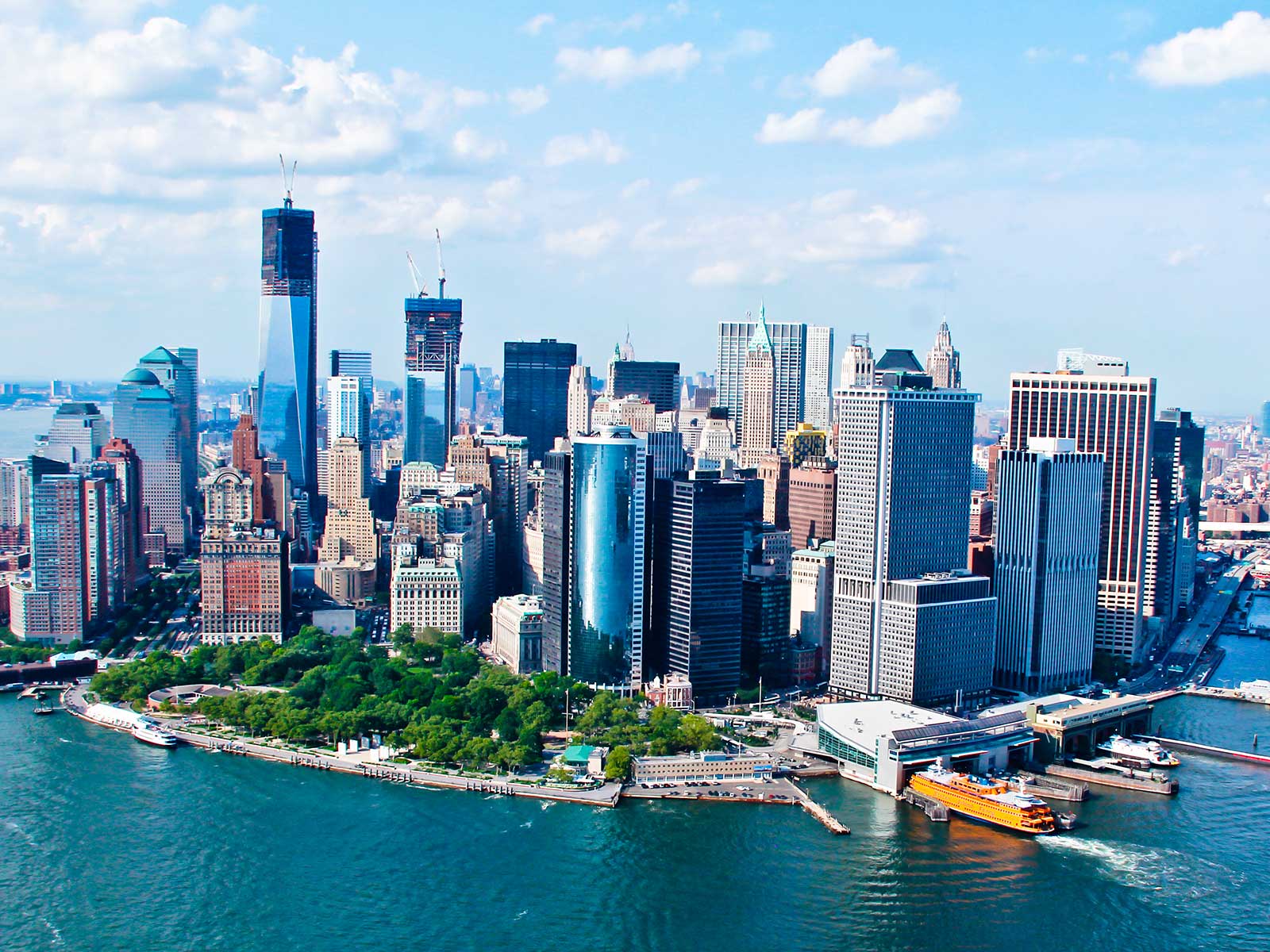
A Brief History of New York City: From Origins to Modern Metropolis
New York City, a global icon, boasts a history as dynamic and diverse as its vibrant population. From its humble beginnings as a Native American trading ground to its current status as a bustling modern metropolis, the story of NYC is one of constant evolution, resilience, and unparalleled growth.
Ancient Roots: The Lenape People
Before European arrival, the land that would become New York City was home to the Lenape people, an indigenous group who thrived on hunting, fishing, and farming. They established intricate trade networks and lived in harmony with the rich natural environment of Mannahatta, meaning "island of many hills" in their Algonquian language. Their longhouses dotted the landscape, and their canoes traversed the waterways now known as the Hudson River and East River. Their legacy, though often overshadowed, is an integral part of the city's earliest narrative.
A New World: Dutch Settlement and New Amsterdam
The European chapter of New York's history began in 1609 when English explorer Henry Hudson, sailing for the Dutch East India Company, navigated his ship, theHalve Maen, up the river that now bears his name. He was seeking a Northwest Passage to Asia but instead discovered a lucrative fur trade opportunity.
In 1624, Dutch settlers established Fort Orange (modern-day Albany) and, two years later, founded New Amsterdam on the southern tip of Manhattan Island. In a transaction that has become legendary, Dutch director-general Peter Minuit purportedly "purchased" Manhattan from the Lenape for goods valued at 60 Dutch guilders, roughly $24 at the time. New Amsterdam quickly became a bustling port, renowned for its incredible diversity from its earliest days, attracting settlers from various European nations and even enslaved Africans. This early melting pot laid the groundwork for the multicultural city it would become.
From Dutch to British: New York is Born
The flourishing Dutch colony, strategically located, became a coveted prize. In 1664, during the Second Anglo-Dutch War, English forces sailed into New Amsterdam's harbor and demanded its surrender. Unprepared for a fight, Director-General Peter Stuyvesant reluctantly ceded control without a shot fired. The English promptly renamed the settlement "New York" in honor of James, Duke of York (later King James II).
Under British rule, New York continued to grow as a vital port city, engaged in trade with the Caribbean and Europe. However, the colonial period also saw the expansion of slavery, with New York becoming a significant hub for the transatlantic slave trade. Despite this dark chapter, the city's commercial prowess and strategic importance only increased, setting the stage for its role in the coming American Revolution.
Revolution and Independence
New York played a pivotal, albeit complex, role in the American Revolution. While many residents were loyalists to the British Crown, a strong Patriot movement also emerged. Key battles, such as the Battle of Long Island in 1776, unfolded on its soil. Following the British victory in that battle, New York City remained under British occupation for most of the war, serving as their military and political headquarters.
It wasn't until November 25, 1783, "Evacuation Day," that the last British troops departed, and George Washington triumphantly re-entered the city. For a brief period, from 1785 to 1790, New York City even served as the first capital of the United States, where George Washington was inaugurated as president at Federal Hall.
The 19th Century: Growth and Transformation
The 19th century was a period of explosive growth and profound transformation for New York City. The opening of the Erie Canal in 1825 dramatically connected New York to the Great Lakes and the American interior, solidifying its position as the nation's premier port and commercial center. This infrastructure marvel facilitated an unprecedented flow of goods and people.
Waves of immigrants, particularly from Ireland and Germany, arrived seeking new opportunities, drastically swelling the city's population. They often settled in crowded tenements, fueling the city's industrial expansion but also creating significant social challenges.
This era also saw the development of some of New York's most iconic landmarks and institutions. The vision for Central Park emerged in the 1850s, providing a much-needed green oasis in the rapidly urbanizing landscape. The monumental Brooklyn Bridge, an engineering marvel, opened in 1883, physically connecting Manhattan and Brooklyn for the first time. The late 19th century also witnessed the dedication of the Statue of Liberty in 1886, a powerful symbol of hope and welcome for millions of new arrivals passing through Ellis Island. Cultural institutions like the Metropolitan Museum of Art also took root, reflecting the city's growing cultural sophistication.
"Give me your tired, your poor, your huddled masses yearning to breathe free..." – Emma Lazarus, inscribed on the pedestal of the Statue of Liberty, perfectly encapsulates New York's enduring role as a beacon for immigrants.
The Roaring Twenties and Beyond: A Global Powerhouse
The early 20th century cemented New York's status as a global powerhouse. The "Roaring Twenties" brought unprecedented economic prosperity, driving a skyscraper boom that forever changed the city's skyline. Buildings like the majestic Empire State Building, completed in 1931, became symbols of American ambition and engineering prowess.
Despite the Great Depression, which hit the city hard, New York persevered. World War II further propelled its importance, transforming it into a major center for war production and a hub for international diplomacy. Following the war, New York was chosen as the permanent headquarters for the United Nations, underscoring its pivotal role on the world stage.
The Late 20th Century: Challenges and Renaissance
The mid-to-late 20th century presented New York with significant challenges. The 1970s, in particular, saw a period of economic decline, rising crime rates, and municipal fiscal crises. However, the city demonstrated its inherent resilience. Throughout the 1980s and 90s, revitalization efforts, a booming financial sector, and a renewed cultural vibrancy helped turn the tide. Iconic areas like Times Square underwent significant clean-up and redevelopment, transforming from a gritty district into the glittering tourist destination it is today. The city's diverse neighborhoods continued to foster artistic movements, from punk rock to hip-hop, reaffirming its status as a cultural innovator.
The 21st Century: Resilience and Innovation
The dawn of the 21st century brought both tragedy and renewed strength. The devastating attacks of September 11, 2001, left an indelible mark on the city and its people. Yet, from the ashes rose a stronger, more united New York. The solemn 9/11 Memorial and the soaring One World Observatory stand as testaments to remembrance and resilience.
In recent decades, New York has continued to innovate, transforming old infrastructure into new public spaces. The creation of The High Line, an elevated park built on abandoned railway lines, is a prime example of urban renewal and creative repurposing. The city continues to invest in and cherish its green spaces, from the bustling Bryant Park to the expansive Pelham Bay Park in the Bronx, the tranquil Greenbelt Nature Center on Staten Island, and the beautiful Brooklyn Botanic Garden.
New York Today: A Living Legacy
Today, New York City remains a global center for finance, fashion, art, media, and technology. Its rich history is palpable in its architecture, its diverse neighborhoods, and the resilient spirit of its inhabitants. From the cobblestone streets of its earliest settlements to the towering skyscrapers that define its modern skyline, New York City is a living testament to human ambition, cultural fusion, and an unwavering capacity for reinvention. It's a city that never stops moving, constantly writing new chapters in its extraordinary story.