
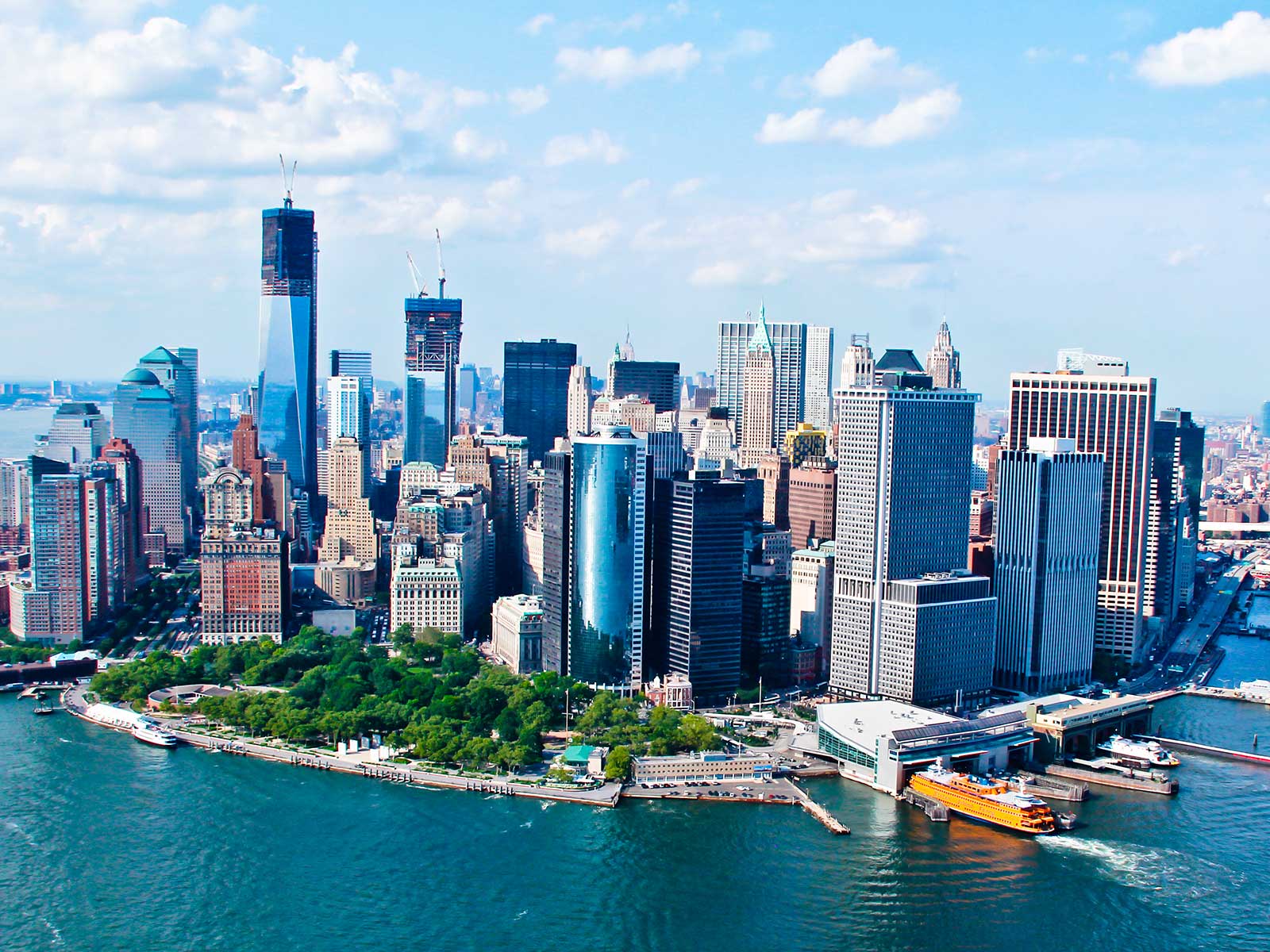
9/11 Memorial & Museum: A Guide to Visiting This Important Site
The 9/11 Memorial & Museum stands as a profound testament to memory, remembrance, and resilience in the heart of Lower Manhattan. A visit here offers a powerful and essential opportunity to reflect on the events of September 11, 2001, and the enduring human spirit. This guide provides practical advice for a respectful and informative experience at this vital New York City landmark.
Understanding the Significance
The 9/11 Memorial & Museum complex is dedicated to commemorating the lives lost in the terrorist attacks of September 11, 2001, at the World Trade Center site, as well as the attack on February 26, 1993. It honors the victims, survivors, and first responders, providing a space for quiet contemplation and a deep understanding of the events that reshaped the world. The site invites visitors from across the globe to learn, remember, and reflect on the profound impact of these tragedies.
The 9/11 Memorial
The outdoor 9/11 Memorial, officially known as the National September 11 Memorial & Museum, is a tranquil and deeply moving space, open to the public daily. It features two enormous reflecting pools, each nearly an acre in size, set within the footprints of the original Twin Towers. Cascading waterfalls flow into these pools, symbolizing the immense void left by the attacks.
Around the perimeters of the pools, the names of the 2,983 victims of the 2001 and 1993 attacks are inscribed in bronze, a poignant reminder of each individual life lost. Visitors often trace the names, leaving flowers or small flags as tributes. Among the memorial’s features is the "Survivor Tree," a callery pear tree that endured the 9/11 attacks and was nursed back to health, now standing as a living symbol of resilience and hope. Take your time to walk around the pools and absorb the quiet, contemplative atmosphere. You can find more specific details about this outdoor space at the dedicated 9/11 Memorial page.
The 9/11 Museum
Beneath the memorial plaza lies the 9/11 Museum, an immersive and profoundly moving exhibition space. The museum's design leads visitors down to the bedrock of the original World Trade Center site, integrating artifacts and remnants of the towers themselves into the experience. The main exhibitions include:
- The Historical Exhibition:This comprehensive narrative takes visitors through the events of 9/11, from the prelude to the attacks, the day itself, and the aftermath. It features personal accounts, artifacts, photographs, and multimedia displays.
- The Memorial Exhibition:A space dedicated to honoring the victims, telling their stories through photographs and personal mementos.
Key artifacts you might encounter include remnants of the Twin Towers' steel, a damaged fire truck, and the "Last Column," which was the final steel beam removed from Ground Zero. The museum is designed to be informative yet sensitive, guiding visitors through a difficult history with respect and dignity. Allow ample time for your visit, as the emotional weight and detail of the exhibitions can be significant.
"The 9/11 Memorial & Museum serves as the country’s principal institution for examining the attacks of 9/11, documenting their impact, and exploring their continuing significance."
Planning Your Visit: Practical Tips
Best Time to Visit
The 9/11 Memorial Plaza is open daily, while the museum has specific operating hours. To avoid the largest crowds, consider visiting on a weekday, either first thing in the morning or later in the afternoon. Weekends can be very busy, especially for the museum.
How Much Time to Allocate
For the outdoor Memorial Plaza, allow at least 30 minutes to an hour for quiet reflection. For the indoor Museum, plan for a minimum of 2-3 hours to fully experience the exhibitions. Many visitors find themselves spending even longer due to the depth and detail of the displays.
Getting There
The 9/11 Memorial & Museum is easily accessible via numerous subway lines, including the A, C, E, J, Z, 2, 3, 4, and 5 trains to stations like Fulton Street, World Trade Center, or Wall Street. It's also within walking distance of other downtown attractions like the One World Observatory and the ferries to the Statue of Liberty. The iconic Brooklyn Bridge is also a scenic walk away.
What to Bring (and What Not To)
- Comfortable Shoes:You'll be doing a lot of walking.
- Water Bottle:Stay hydrated, especially if visiting in warmer months.
- Tissues:The museum can be emotionally impactful.
- Small Bag:Large bags are not permitted inside the museum and must be checked, which can add time to your entry.
- Camera:Photography is generally permitted in the Memorial Plaza, but restrictions apply in certain areas of the museum. Always check signage.
Navigating the Site
Security is a priority at the site. Be prepared for airport-style screening before entering the museum. It's recommended to purchase museum tickets online in advance to secure your entry time and avoid long queues. The museum is fully accessible, with elevators and ramps throughout.
Respectful Conduct
Given the solemn nature of the site, visitors are encouraged to maintain a respectful demeanor. Keep conversations quiet, refrain from loud phone calls, and dress appropriately. The memorial is a place for remembrance and reflection, not a tourist attraction for casual sightseeing.
Nearby Attractions to Consider
After your visit to the 9/11 Memorial & Museum, you might consider exploring other points of interest in Lower Manhattan:
- One World Observatory:Located atop One World Trade Center, this observatory offers breathtaking panoramic views of the city.
- St. Paul's Chapel:A historic chapel that served as a relief center for rescue workers in the aftermath of 9/11, remarkably surviving the collapse of the Twin Towers nearby.
- The Oculus:A stunning transportation hub and shopping complex, known for its unique architectural design.
- Brookfield Place:A waterfront complex with high-end shopping, dining, and public spaces overlooking the Hudson River.
- Wall Street:Explore the financial district, including the New York Stock Exchange and the Charging Bull statue.
Resources and Support
The 9/11 Memorial & Museum provides visitor services to ensure a comfortable experience. Information desks are available for questions, and the museum offers accessible features for visitors with disabilities. While the museum does not offer direct therapy, it is designed to facilitate reflection and healing, and many find the experience cathartic. It's important to prepare yourself emotionally for the visit, as some exhibits contain graphic content and personal stories that can be profoundly moving.
A Journey of Remembrance and Resilience
Visiting the 9/11 Memorial & Museum is more than just seeing a historical site; it's an immersive experience that encourages deep reflection on human loss, courage, and the enduring spirit of a city and a nation. It serves as a powerful reminder of the importance of remembrance and provides a space for contemplation and understanding of one of the most significant events in modern history. Prepare yourself for an impactful journey that will stay with you long after you leave.