
Dutch Art: Exploring Masterpieces of Rembrandt & Vermeer
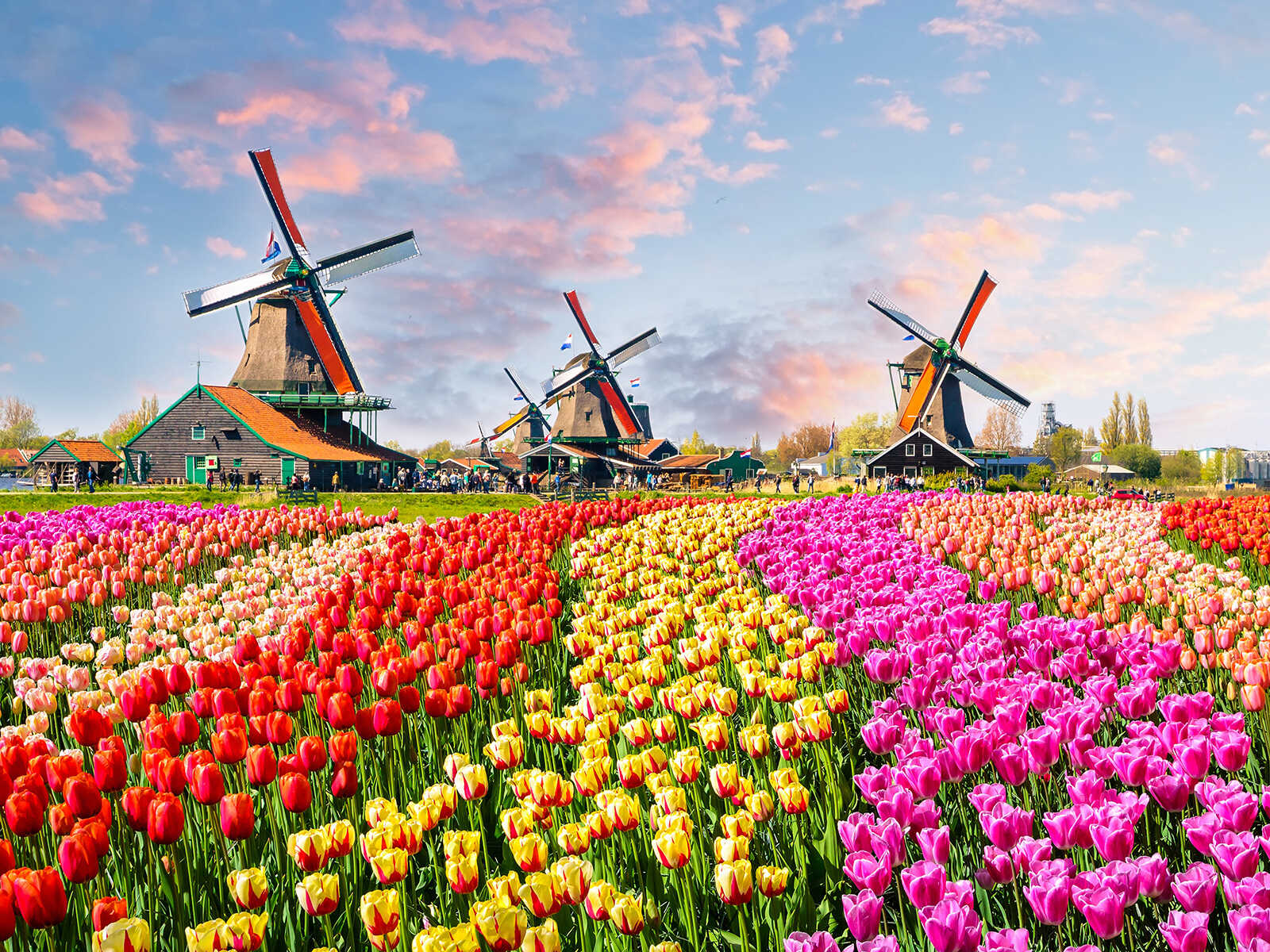
The Netherlands, a nation celebrated for its picturesque canals and vibrant tulip fields, is also the birthplace of some of the world's most revered artistic movements. At the heart of this rich heritage lies the Dutch Golden Age, a period that gave us the profound works of masters like Rembrandt van Rijn and Johannes Vermeer. Discover the captivating stories and enduring brilliance behind their iconic creations.
The Glorious Dutch Golden Age: A Flourishing of Creativity
The 17th century marked an unprecedented era of economic prosperity and cultural blossoming in the Netherlands, known as the Dutch Golden Age. With a burgeoning merchant class eager to adorn their homes, art moved beyond religious and aristocratic patronage, focusing instead on themes relatable to everyday life. This shift led to a diverse range of genres, from intimate portraits and bustling genre scenes to meticulous still lifes and evocative landscapes. It was within this dynamic environment that Rembrandt and Vermeer honed their unique styles, forever changing the course of art history.
Did you know?During the Dutch Golden Age, it's estimated that millions of paintings were produced, reflecting the widespread demand for art among all social classes.
Rembrandt van Rijn: Master of Light and Shadow
Rembrandt Harmenszoon van Rijn (1606–1669) stands as one of the most significant figures in Dutch art. Renowned for his unparalleled ability to capture human emotion and character with striking realism, his work offers a profound insight into the human condition.
Who Was Rembrandt?
Born in Leiden, Rembrandt began his artistic journey there before moving to Amsterdam, a bustling hub that offered immense opportunities for portraiture and grand commissions. His early success was undeniable, marked by his innovative use of light and shadow, and his dedication to depicting subjects with an almost photographic honesty. Despite later personal tragedies and financial difficulties, Rembrandt's artistic output remained prolific and deeply personal, including an extraordinary series of self-portraits that chronicle his life with unflinching candor.
Key Characteristics of his Work
Rembrandt's genius lay in his mastery ofchiaroscuro– the dramatic interplay of light and dark – which he used to create a sense of depth, mood, and psychological intensity. His portraits delve deep into the souls of his subjects, revealing their inner lives through subtle expressions and gestures. He was also a pioneer in etching, producing a vast body of prints that showcase his technical skill and narrative prowess. Whether painting biblical scenes, group portraits, or humble individuals, Rembrandt brought a profound humanity to every canvas.
Must-See Masterpieces by Rembrandt
- The Night Watch(1642):Arguably Rembrandt's most famous work, this colossal militia group portrait at the Rijksmuseum in Amsterdam is a revolutionary departure from traditional group compositions. Instead of static figures, Rembrandt captured a dynamic moment, full of movement and individual character. Its scale and dramatic lighting are truly breathtaking.
- The Anatomy Lesson of Dr. Nicolaes Tulp(1632):Housed in the magnificent Mauritshuis in The Hague, this early masterpiece showcases Rembrandt's innovative approach to group portraiture. The scene depicts a public dissection, with each figure reacting uniquely to the lesson, creating a compelling narrative.
- The Jewish Bride(c. 1665):A late masterpiece, also at the Rijksmuseum, this intimate portrait of a couple is celebrated for its tender depiction of love and human connection, rendered with rich, impasto brushstrokes.
Where to Experience Rembrandt
The primary places to immerse yourself in Rembrandt's work are the Rijksmuseum in Amsterdam, home toThe Night Watchand many other significant pieces, and the Mauritshuis in The Hague, where you can admireThe Anatomy Lesson of Dr. Nicolaes Tulpand other compelling portraits. The former house of Rembrandt in Amsterdam, now a museum, also offers a fascinating glimpse into his life and studio.
Johannes Vermeer: The Master of Light and Domesticity
Johannes Vermeer (1632–1675) is celebrated for his exquisite, tranquil genre scenes that depict ordinary moments with extraordinary beauty. Though he produced relatively few paintings during his lifetime, each is a testament to his meticulous craftsmanship and unparalleled sensitivity to light.
Who Was Vermeer?
Vermeer spent his entire life in the charming city of Delft, a smaller artistic hub compared to Amsterdam. Unlike Rembrandt, Vermeer was not a prolific painter, completing only about 35 known works. His life was relatively quiet, working primarily as an art dealer and occasionally creating his own masterpieces. His slow, deliberate method and incredible attention to detail meant that each painting was a precious creation, often depicting women engaged in domestic tasks or quiet contemplation within sunlit interiors.
Key Characteristics of his Work
Vermeer's signature style is defined by his masterful use of natural light, which bathes his subjects in a soft, luminous glow, creating an almost photographic realism. He was an expert in depicting textures – the sheen of silk, the roughness of plaster, the glint of pearl – with remarkable precision. His compositions are often carefully balanced, with subtle symbolism woven into the everyday objects. The theory that Vermeer used a camera obscura, a precursor to the modern camera, to achieve his precise perspectives and light effects is widely debated among art historians.
Must-See Masterpieces by Vermeer
- Girl with a Pearl Earring(c. 1665):Often referred to as the "Mona Lisa of the North," this captivating portrait at the Mauritshuis in The Hague is renowned for its enigmatic gaze and the striking luminescence of the pearl. The girl's direct look and the painting's simple composition create an intimate and timeless appeal.
- The Milkmaid(c. 1658):Displayed at the Rijksmuseum, this iconic painting portrays a domestic servant pouring milk. It is lauded for its rich textures, the play of light on various surfaces, and the quiet dignity of the everyday scene.
- View of Delft(c. 1660-1661):One of only two known landscapes by Vermeer, this breathtaking panorama, also at the Mauritshuis, captures the serenity and characteristic light of his hometown. Its innovative composition and atmospheric quality make it a landmark in landscape painting.
Where to Experience Vermeer
The two most important collections of Vermeer's work are found at the Mauritshuis in The Hague (home toGirl with a Pearl EarringandView of Delft) and the Rijksmuseum in Amsterdam (featuringThe Milkmaidand others). A visit to his hometown of Delft offers a chance to walk the streets and experience the atmosphere that inspired his tranquil scenes, though no original Vermeer paintings remain there.
Beyond Rembrandt and Vermeer: Other Golden Age Gems
While Rembrandt and Vermeer are titans of the Dutch Golden Age, the period produced a wealth of other extraordinary artists. Consider exploring the lively portraits of Frans Hals, the boisterous genre scenes of Jan Steen, and the magnificent landscapes of Jacob van Ruisdael. These artists, among many others, collectively painted a vivid picture of 17th-century Dutch society, showcasing its values, daily life, and natural beauty.
Planning Your Art Journey in the Netherlands
To fully appreciate the masterpieces of Rembrandt and Vermeer, planning your museum visits is key. Both the Rijksmuseum and the Mauritshuis are extremely popular, so booking tickets in advance is highly recommended. Consider an audio guide to enhance your understanding of the artworks and their historical context. Allow ample time for each museum, as there is much to see beyond these two masters.
Beyond the galleries, the Netherlands offers a wealth of experiences. In Amsterdam, you can combine your art exploration with a scenic cruise along the Canals of Amsterdam. A short train ride will take you to The Hague, or to Delft for a taste of Vermeer's world. Immerse yourself in the rich culture and history that inspired these incredible artists.
Conclusion
The art of Rembrandt and Vermeer offers a window into the soul of the Dutch Golden Age. Their enduring legacy lies not just in their technical brilliance, but in their profound ability to capture the essence of humanity and the beauty of the everyday. A journey through the masterpieces of these Dutch titans is an unforgettable experience, connecting you to a pivotal moment in art history and the timeless power of human creativity.