
World Peace Pagoda Pokhara: Serene Views & Spiritual Reflection
Perched majestically atop a hill overlooking Pokhara Valley, the World Peace Pagoda stands as a beacon of tranquility and a testament to global harmony. This iconic white stupa offers visitors not only breathtaking panoramic vistas of the Annapurna range and Fewa Lake but also a profound space for spiritual contemplation.
A Symbol of Global Harmony
The World Peace Pagoda, known locally as Shanti Stupa, is more than just a beautiful landmark; it's a powerful symbol of peace and non-violence. Initiated by the Japanese Buddhist organization Nipponzan Myōhōji after World War II, these pagodas are built in various locations worldwide to inspire peace among all races and creeds. The Pokhara pagoda, completed in 1999, is one of over 80 such pagodas globally, serving as a reminder of humanity's shared aspiration for harmony.
The construction of Peace Pagodas began in 1947 under the guidance of Nichidatsu Fujii, a disciple of Mahatma Gandhi and founder of the Nipponzan Myōhōji order, aiming to promote world peace.
Journey to Serenity: Getting to the Pagoda
Reaching the World Peace Pagoda is an adventure in itself, with several scenic options available, catering to different preferences for activity and ease of access.
Trekking and Hiking
For those who enjoy a moderate physical challenge, a trek to the pagoda is highly rewarding. The most popular route involves crossing Fewa Lake by rowboat to the base of the hill and then hiking uphill. The hike typically takes about 45 minutes to an hour, winding through forested paths and local villages. It's a fantastic way to immerse yourself in the natural beauty and local life surrounding Pokhara.
- Boating Across Fewa Lake:Rent a rowboat from Lakeside to the opposite bank, near the base of the hill.
- Uphill Trail:Follow the well-marked trails that lead directly to the pagoda. The path can be steep in parts but is generally manageable.
Road Access
If you prefer a less strenuous journey, taxis, motorbikes, or even local buses can take you directly to the pagoda's entrance. The road winds up the hill, offering glimpses of the valley below. This option is ideal for families with young children, individuals with mobility concerns, or those simply short on time.
- Taxi/Scooter:Easily hired from any part of Pokhara. Ensure to negotiate the fare beforehand.
- Local Bus:A more economical option, though less frequent and may require a short walk from the drop-off point.
The Experience: Views, Reflection, and Tranquility
Upon arrival, the pagoda's stark white dome immediately captivates. The structure itself is relatively simple yet profoundly elegant, featuring four golden statues of Buddha facing the cardinal directions, each depicting a different significant life event of Siddhartha Gautama.
Panoramic Vistas
The primary draw for many visitors is undeniably the breathtaking panorama. From the pagoda's viewpoint, you are treated to an unparalleled 360-degree spectacle:
- The shimmering turquoise waters of Fewa Lake, dotted with colorful boats.
- The bustling city of Pokhara spread out in the valley below.
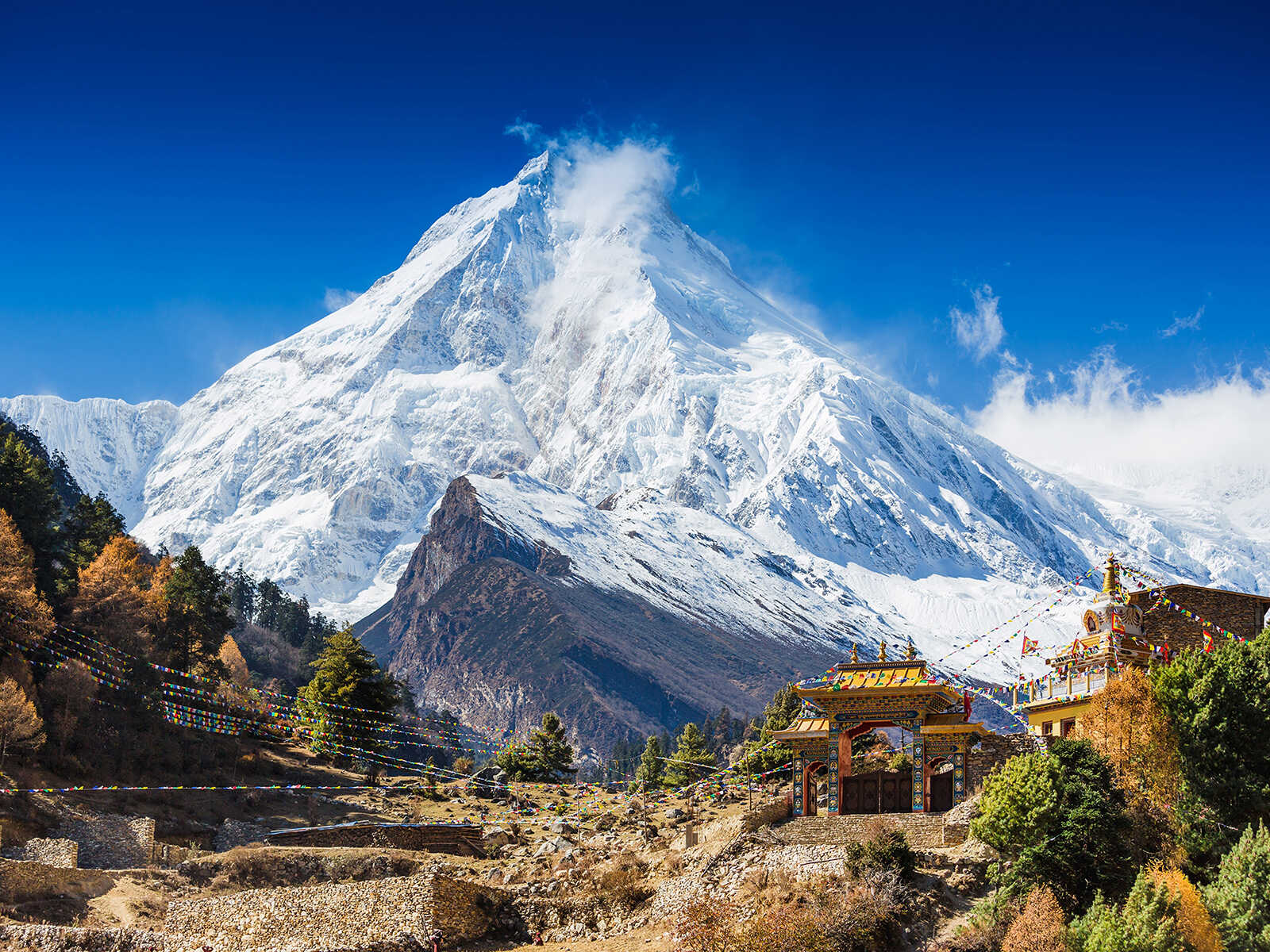
- Most impressively, the majestic snow-capped peaks of the Annapurna range, including Fishtail (Machhapuchhre), Dhaulagiri, and Manaslu, creating a stunning backdrop.
On a clear day, the mountain views are simply mesmerizing, making it a photographer's paradise and a nature lover's dream.
Spiritual Ambiance and Reflection
Beyond the scenic beauty, the World Peace Pagoda offers a profound sense of peace and spiritual reflection. The serene environment encourages visitors to pause, meditate, and contemplate. Many choose to circumambulate the stupa clockwise, a common Buddhist practice, while silently reflecting on peace and harmony.
The quiet atmosphere, punctuated only by the gentle rustle of leaves or distant sounds from the valley, provides a perfect escape from the hustle and bustle of daily life. It's a place where you can truly connect with your inner self and appreciate the universal message of peace.
Best Time to Visit
To fully enjoy the views and the tranquil atmosphere, timing your visit is crucial:
- Early Morning:Offers crisp, clear views of the mountains before clouds roll in, and fewer crowds.
- Late Afternoon (Sunset):Witness the sky transform with vibrant colors as the sun dips below the horizon, casting a golden glow over the lake and mountains. It's an incredibly romantic and picturesque experience.
- Seasons:The post-monsoon months (September to November) and pre-monsoon (February to April) typically offer the clearest skies and best mountain visibility.
Tips for a Memorable Visit
- Dress Respectfully:As a religious site, it's advisable to wear modest clothing that covers your shoulders and knees.
- Comfortable Footwear:Especially if you plan to hike, comfortable shoes are a must.
- Stay Hydrated:Carry water, especially on warm days or if you're hiking.
- Photography:Capture the stunning views, but be mindful and respectful of others, especially those meditating.
- Silence:Maintain a quiet demeanor to preserve the peaceful ambiance.
- Sun Protection:Bring a hat, sunglasses, and sunscreen, as there's limited shade at the top.
Beyond the Pagoda: Exploring Pokhara
The World Peace Pagoda is just one of many attractions in and around Pokhara. After your visit, consider exploring other highlights:
- Boating on Fewa Lake:Rent a boat and explore the lake, perhaps visiting the Tal Barahi Temple located on an island.
- Paragliding and Ultralight Flights:Experience aerial views of the pagoda, lake, and mountains.
- Davis Falls & Gupteshwor Cave:Natural attractions located nearby.
- International Mountain Museum:Learn about mountaineering history and the people of the Himalayas.
- Exploring Lakeside:Enjoy the vibrant atmosphere, shops, and restaurants along the lake.
For those interested in Nepal's broader spiritual heritage, exploring the ancient stupas of Kathmandu Valley like Swayambhu Nath Temple and Boudha Stupa, or visiting Lumbini, the birthplace of Buddha, offers a deeper dive into Buddhist culture.
Conclusion
The World Peace Pagoda in Pokhara is a destination that truly nourishes the soul. Whether you seek breathtaking natural beauty, a moment of quiet reflection, or simply an escape from the ordinary, this serene stupa offers an unforgettable experience. Its enduring message of peace, combined with its unparalleled vistas, makes it a must-visit highlight on any journey through Nepal.