
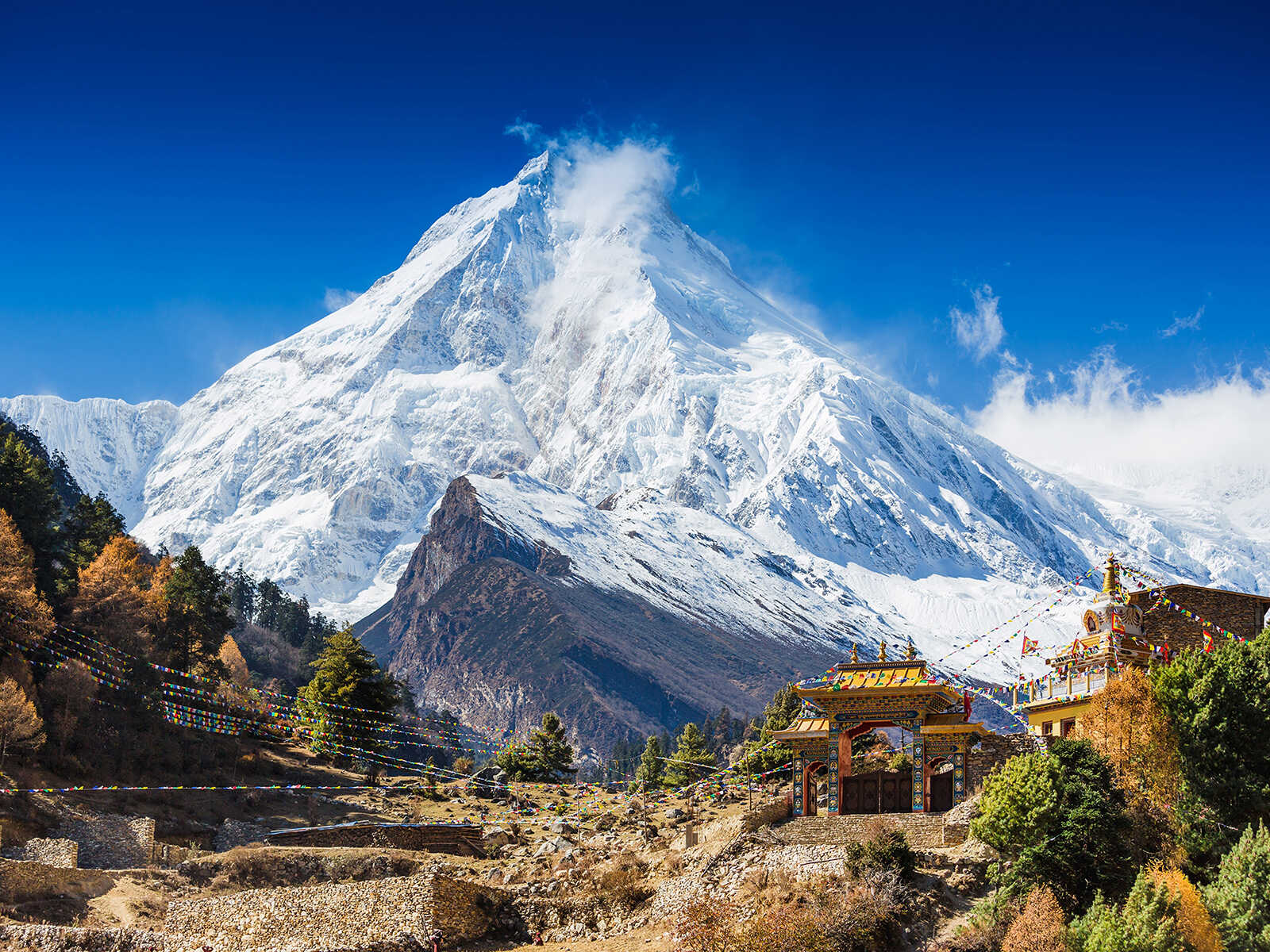
Understanding Nepali History: A Journey Through Ancient Kingdoms and Heritage Sites
Nepal, a land of unparalleled natural beauty, also boasts a profound and captivating history stretching back millennia. From mythical origins and ancient dynasties to powerful kingdoms and periods of unification, its past is etched into its landscapes, temples, and vibrant cultural traditions. Embark on a journey to uncover the fascinating layers of Nepal's rich historical tapestry.
The Dawn of Civilization: Legends and Early Dynasties
The earliest accounts of Nepal's history are steeped in legend, speaking of divine rulers and mythical heroes. Texts like the Mahabharata and various Puranas mention the region, suggesting human habitation and spiritual significance from ancient times. Early dynasties like the Gopalas and Mahispalas are believed to have laid the groundwork for more organized societies.
The Kirat Dynasty (c. 800 BCE – 300 CE)
The first historically documented rulers of the Kathmandu Valley were the Kirats, an indigenous group originating from the eastern Himalayas. Their reign marks a significant period, introducing early forms of administration and culture. While much of their history remains shrouded in mystery, their influence is believed to have shaped the early social fabric and traditional practices of the region.
The Golden Age of Art and Architecture: The Lichhavi Period (c. 400 – 750 CE)
The arrival of the Lichhavis from northern India ushered in one of Nepal's most glorious eras. This period is often celebrated as a golden age, characterized by significant advancements in art, architecture, and political organization. Sanskrit inscriptions from this time provide invaluable insights into their sophisticated administration, flourishing trade, and vibrant religious life.
During the Lichhavi period, both Hinduism and Buddhism thrived side by side, leading to the construction of numerous temples and stupas. Early forms of sites like Pashupatinath Temple began to take shape, and the foundations for many of the unique architectural styles seen today were established.
Interesting Fact:The Lichhavi period is renowned for its remarkable religious harmony, with kings often patronizing both Hindu and Buddhist deities, laying the groundwork for Nepal's enduring syncretic traditions.
The Cultural Zenith: The Malla Kingdoms (c. 1200 – 1769 CE)
Following a transitional period, the Mallas rose to power, leaving an indelible mark on Nepali culture and architecture. This era saw the further development of the distinctive Newari artistry, characterized by intricate wood carvings, elaborate pagoda-style temples, and stunning palace complexes.
Division of the Kathmandu Valley
A unique aspect of the Malla period was the division of the Kathmandu Valley into three rival kingdoms: Kathmandu, Patan (Lalitpur), and Bhaktapur. Each city-state competed to outshine the others in artistic and architectural grandeur, resulting in the breathtaking Durbar Squares we see today.
These squares served as political, religious, and social hubs, adorned with royal palaces, ornate temples, and public courtyards. Exploring them offers a tangible connection to the Malla kings' legacy and their profound impact on Nepali aesthetics.
- Pashupatinath Temple: Though its origins are earlier, many of its current structures and ornate carvings were developed during the Malla period.
- Swayambhu Nath Temple: The iconic "Monkey Temple" saw significant expansion and embellishment under Malla patronage.
- Boudha Stupa: This colossal stupa, a major pilgrimage site, also underwent considerable development during this era.
- The various Durbar Squares within the Kathmandu Valley(Kathmandu, Patan, Bhaktapur) are quintessential examples of Malla artistry.
Travel Tip:When visiting the Durbar Squares, take time to observe the intricate details of the carved wooden windows, struts, and doorways. Each piece tells a story of the artisans' skill and the devotion of the Malla kings.
Unification and the Shah Dynasty (1768 – 2008)
The fragmented Malla kingdoms eventually succumbed to the rising power of the Gorkha kingdom, led by the ambitious Prithvi Narayan Shah. His strategic military campaigns marked a pivotal turning point in Nepali history.
The Vision of Prithvi Narayan Shah
Prithvi Narayan Shah envisioned a unified Nepal, a "garden of four castes and thirty-six sub-castes." Through decades of warfare and diplomacy, he successfully consolidated numerous small principalities, laying the foundation for the modern nation-state of Nepal in 1768. His efforts created a strong, independent kingdom that resisted both British and Chinese imperial ambitions.
The Rana Regime (1846 – 1951)
Following internal political turmoil, the Shah monarchy became largely ceremonial, and the Rana family seized power, establishing a hereditary prime ministership. The Rana regime, lasting over a century, was characterized by an isolationist foreign policy and an opulent lifestyle for the ruling elite. Despite restricting external influences, some modernization efforts in education and infrastructure were initiated during this period.
Modern Nepal: From Monarchy to Republic
The mid-20th century brought significant political changes to Nepal. A popular revolution in 1951 overthrew the Rana regime and restored the Shah monarchy, albeit with democratic reforms. Decades of struggle for full democracy followed, culminating in a historic People's Movement in 2006. This led to the abolition of the 240-year-old monarchy in 2008 and the establishment of Nepal as a federal democratic republic.
Today, Nepal continues to navigate its path as a young republic, preserving its rich heritage while embracing progress and development. Its history of resilience and adaptation remains a source of national pride.
Essential Heritage Sites to Immerse in Nepali History
To truly grasp the depth of Nepali history, a visit to its iconic heritage sites is essential. These places are not just ruins; they are living museums that echo tales of kings, deities, and a vibrant cultural past.
- Lumbini: The birthplace of Siddhartha Gautama, Buddha,Lumbini is a UNESCO World Heritage Site that connects visitors directly to the origins of Buddhism and ancient spiritual traditions.
- Kathmandu Valley: A treasure trove of history, the valley itself is a UNESCO World Heritage Site, encompassing the ancient city-states of Kathmandu, Patan, and Bhaktapur. Here you'll find:
- The Durbar Squares: Each a marvel of Malla architecture.
- Pashupatinath Temple: A sacred Hindu complex with origins stretching back to the Lichhavi period.
- Swayambhu Nath Temple(Monkey Temple): An ancient Buddhist stupa offering panoramic views and a serene atmosphere.
- Boudha Stupa: One of the largest stupas in Asia and a focal point for Tibetan Buddhist culture in Nepal.
- World Peace Pagoda(Pokhara): While a more modern construction, this stupa embodies the enduring Buddhist ideals of peace and harmony, offering stunning views and a tranquil historical reflection.
Conclusion: A Living Legacy
Nepal's history is a captivating narrative of cultural evolution, artistic brilliance, and political transformation. From the ancient Kirats to the modern republic, each era has contributed to the unique identity of this Himalayan nation. Exploring its ancient kingdoms and heritage sites is not just a journey through time; it's an immersion into a living legacy where history breathes in every temple bell, every intricate carving, and every warm smile of its people. Come and discover the soul of Nepal.