
Trekking in Annapurna: Routes, Permits & Best Trails
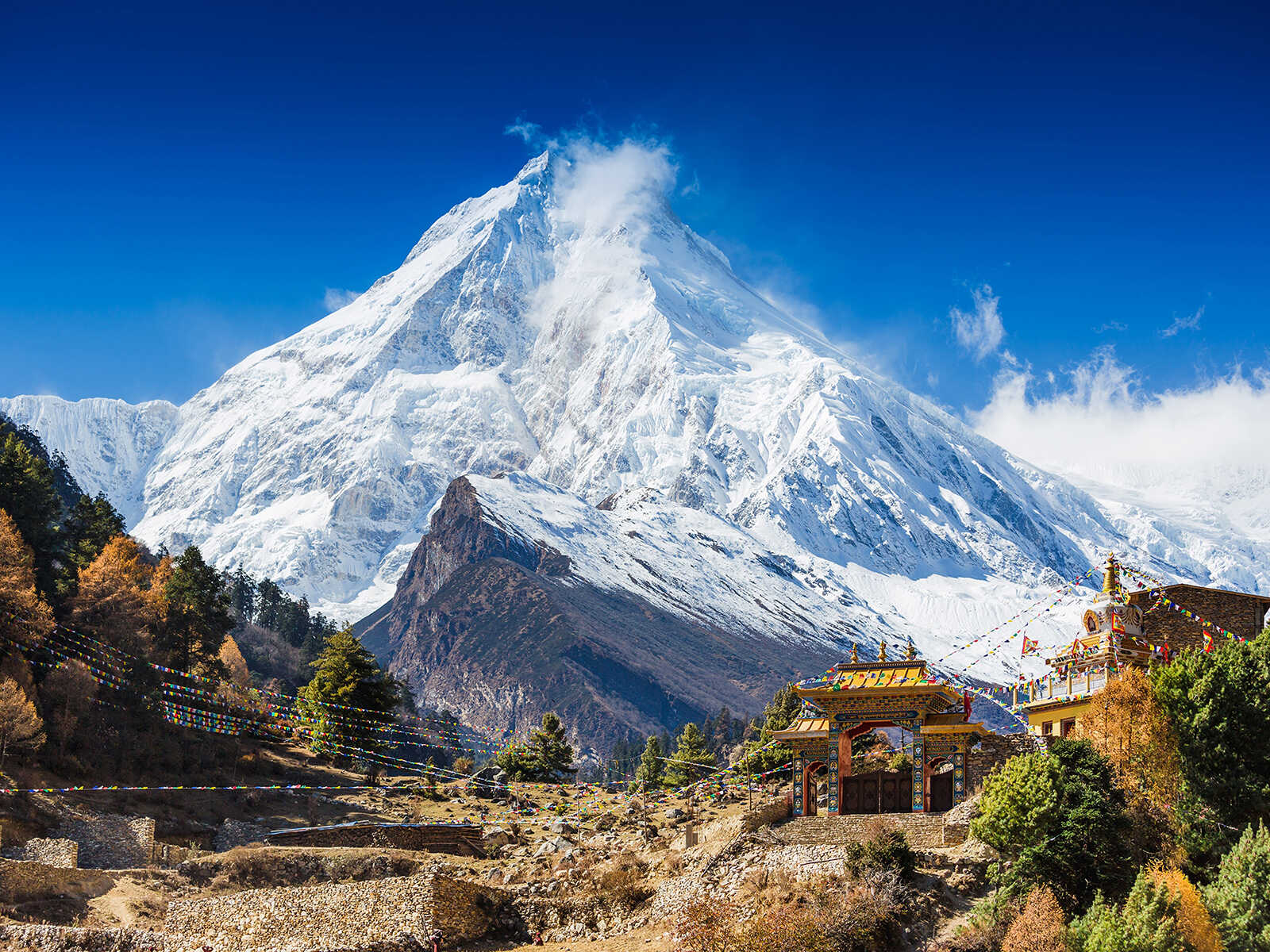
The Annapurna region of Nepal offers some of the most spectacular trekking experiences in the world, blending breathtaking mountain scenery with rich cultural encounters. From challenging high-altitude passes to leisurely strolls through rhododendron forests, the Annapurna Himalayas cater to every level of adventurer. This guide will navigate you through the diverse routes, essential permits, and top trails to help you plan an unforgettable journey.
Discovering the Annapurna Region
Nestled in the heart of Nepal, the Annapurna Conservation Area (ACA) is a protected region spanning over 7,629 square kilometers. It's renowned for its incredible biodiversity, dramatic landscapes featuring peaks like Annapurna I (the 10th highest in the world), Dhaulagiri, and Machhapuchhre (Fishtail Mountain), and a vibrant tapestry of ethnic communities including Gurung, Magar, and Thakali. Trekkers often begin their Annapurna adventure from Pokhara, a serene city known for its tranquil Fewa Lake and stunning mountain backdrop, serving as the gateway to this majestic region.
Why Choose Annapurna for Your Trek?
The Annapurna region stands out as a premier trekking destination for several compelling reasons:
- Diverse Landscapes:Experience everything from lush subtropical forests and terraced farmlands to arid high-alpine deserts and glacial moraines.
- Cultural Immersion:Trek through traditional villages, encounter friendly locals, and visit ancient monasteries and temples, gaining insight into unique Himalayan cultures.
- Variety of Trails:Whether you're seeking a challenging multi-week expedition or a shorter, more accessible hike, Annapurna offers a route suited to your fitness level and time constraints.
- Stunning Panoramas:Enjoy unparalleled views of some of the world's highest peaks, including the entire Annapurna massif.
- Accessibility:Compared to some more remote regions, Annapurna is relatively easy to access, with Pokhara being well-connected by road and air from Kathmandu Valley.
Popular Trekking Routes in Annapurna
The Annapurna region boasts a multitude of trails, each offering a unique perspective of the Himalayas. Here are some of the most popular and celebrated routes:
Annapurna Base Camp (ABC) Trek
The ABC trek is a classic journey that takes you deep into the heart of the Annapurna Sanctuary, a natural amphitheater ringed by some of the highest peaks. It's a moderate to challenging trek, typically lasting 10-14 days.
- Highlights:Reaching Annapurna Base Camp at 4,130m, surrounded by towering 7,000m and 8,000m peaks, the sacred Machhapuchhre Base Camp, rhododendron forests, and traditional Gurung villages.
- Difficulty:Moderate to challenging, involving significant ascents and descents.
- Best For:Trekkers looking for a quintessential Himalayan experience with close-up mountain views without the extreme altitude of some other treks.
Annapurna Circuit Trek
The Annapurna Circuit is a legendary trek that circumnavigates the entire Annapurna massif, showcasing an incredible diversity of landscapes and cultures. It's a challenging, longer trek, usually taking 12-21 days depending on the starting and ending points.
- Highlights:Crossing the formidable Thorong La Pass (5,416m), exploring the arid Manang Valley, visiting the sacred Muktinath Temple, and experiencing dramatic shifts in scenery from lush valleys to barren high-altitude terrain.
- Difficulty:Challenging, especially the Thorong La Pass crossing, requiring good physical fitness and acclimatization.
- Best For:Experienced trekkers seeking a long, diverse adventure that combines extreme landscapes with deep cultural immersion.
Poon Hill Trek (Ghorepani Poon Hill)
Often considered an easier and shorter alternative, the Poon Hill trek is famous for its stunning sunrise views over the Annapurna and Dhaulagiri ranges. It’s a moderate trek, typically 3-5 days.
- Highlights:Panoramic sunrise views from Poon Hill (3,210m), charming Gurung and Magar villages like Ghorepani and Ghandruk, and vibrant rhododendron forests in spring.
- Difficulty:Moderate, suitable for beginners or those with limited time.
- Best For:Trekkers seeking incredible mountain views without extensive trekking duration or extreme altitude.
Mardi Himal Trek
A relatively newer and less crowded route, the Mardi Himal trek offers close-up views of Machhapuchhre and Mardi Himal. It's a moderate trek, usually 5-9 days.
- Highlights:Trekking along a ridge with unparalleled views of Machhapuchhre, Mardi Himal, and Annapurna South, lush forests, and a sense of remoteness.
- Difficulty:Moderate, with some steep sections.
- Best For:Trekkers looking for a quieter alternative to ABC, offering similar spectacular views with fewer crowds.
Khopra Ridge Trek
For those looking for an off-the-beaten-path experience, the Khopra Ridge trek offers spectacular mountain views and a chance to engage with community-based tourism initiatives. It's a moderate trek, typically 7-10 days.
- Highlights:Panoramic views of Dhaulagiri, Annapurna South, Nilgiri, and Machhapuchhre, visiting Khayer Lake, and staying in eco-lodges run by local communities.
- Difficulty:Moderate, with some steep ascents.
- Best For:Trekkers who want to support local communities and experience stunning scenery away from the main trails.
Permits Required for Annapurna Trekking
To trek in the Annapurna region, two main permits are mandatory:
- Annapurna Conservation Area Project (ACAP) Permit:This permit grants you legal entry into the conservation area and contributes to its preservation and local development.
- Trekkers' Information Management System (TIMS) Card:The TIMS card helps ensure the safety and security of trekkers by registering their details. It is crucial for tracking trekkers in case of emergencies.
Tip:Both ACAP permits and TIMS cards can be obtained in Kathmandu Valley(Nepal Tourism Board Office) or Pokhara (ACAP entry permit office). You'll need your passport, visa, and passport-sized photos. It's advisable to obtain these before starting your trek to avoid delays.
Best Time to Trek in Annapurna
Choosing the right season significantly enhances your trekking experience:
- Autumn (September to November):Widely considered the best time, with stable weather, clear skies, mild temperatures, and spectacular mountain views.
- Spring (March to May):Another excellent season, offering warmer temperatures, blooming rhododendron forests, and longer daylight hours. Haze can sometimes obscure distant views.
- Winter (December to February):Possible for lower elevation treks like Poon Hill, but higher passes (e.g., Thorong La) may be closed due to heavy snow. Temperatures are cold.
- Monsoon (June to August):Characterized by heavy rainfall, leeches, and often obscured mountain views. However, the landscapes are lush and vibrant, and there are fewer trekkers. Some rain-shadow areas (like Manang on the Circuit) are still trekkable.
Essential Gear and Preparation
Proper preparation is key to a safe and enjoyable trek. Here’s a basic checklist:
- Clothing:Layered clothing suitable for varying temperatures, including a waterproof and windproof outer shell.
- Footwear:Broken-in trekking boots with good ankle support.
- Backpack:A comfortable backpack appropriate for your trek duration.
- Sleeping Bag:A warm sleeping bag (rated to 0°C or colder for high-altitude treks) is recommended, even when staying in teahouses.
- First-Aid Kit:Personal medications, blister treatment, pain relievers, water purification tablets.
- Navigation:Map, compass, or GPS device.
- Miscellaneous:Headlamp, sunglasses, sunscreen, hat, trekking poles, reusable water bottle.
Physical fitness is paramount. Engage in regular cardiovascular exercise, strength training, and hiking prior to your trip. Acclimatization is also crucial for higher altitude treks; plan rest days to allow your body to adjust.
Trekking Independently vs. Guided Trek
You have the option to trek independently or hire a guide/porter:
- Independent Trekking:Offers flexibility and a sense of adventure. Suitable for experienced trekkers comfortable with navigation and handling logistics.
- Guided Trek:Hiring a local guide or porter supports the local economy and significantly enhances safety and cultural understanding. Guides navigate, arrange accommodation, and communicate with locals, while porters carry your heavy gear. This is highly recommended for first-time trekkers or those undertaking challenging routes.
Accommodation and Food on the Trail
The Annapurna region is famous for its "teahouse trekking" culture. You'll stay in simple lodges run by local families, offering basic but comfortable accommodation. Rooms typically have two single beds and shared bathroom facilities. Meals are served in a communal dining area, providing a great opportunity to interact with other trekkers and locals.
The staple food isDal Bhat(lentil soup, rice, and vegetable curry), an energy-rich and nutritious meal that is often bottomless. Other options usually include noodles, pasta, rice dishes, and sometimes local bread or momos (dumplings).
Responsible Trekking Tips
Help preserve the pristine beauty and culture of the Annapurna region:
- Leave No Trace:Pack out everything you pack in. Dispose of waste properly.
- Respect Local Culture:Dress modestly, especially when visiting religious sites, and ask permission before photographing people.
- Support Local:Stay in local teahouses, eat local food, and hire local guides/porters to directly benefit the communities.
- Conserve Resources:Be mindful of water and electricity usage, especially in remote areas.
Beyond the Trails: Exploring Nearby Attractions
Your Annapurna trek often starts or ends in Pokhara, a vibrant city with plenty to explore. Enjoy boating on Fewa Lake, visit the World Peace Pagoda for panoramic views, or paraglide over the valley. Before or after your trek, consider spending time in Kathmandu Valley to explore its UNESCO World Heritage Sites and bustling markets.
Conclusion
Trekking in the Annapurna region is an experience that transcends mere physical challenge; it's a journey into the heart of the Himalayas, offering profound cultural insights and breathtaking natural beauty. With its diverse trails, well-established infrastructure, and welcoming communities, Annapurna truly offers something for every adventurer. Plan your journey carefully, prepare adequately, and get ready to create memories that will last a lifetime in this spectacular corner of Nepal.