
Sagarmatha National Park: Gateway to Everest & High-Altitude Trekking
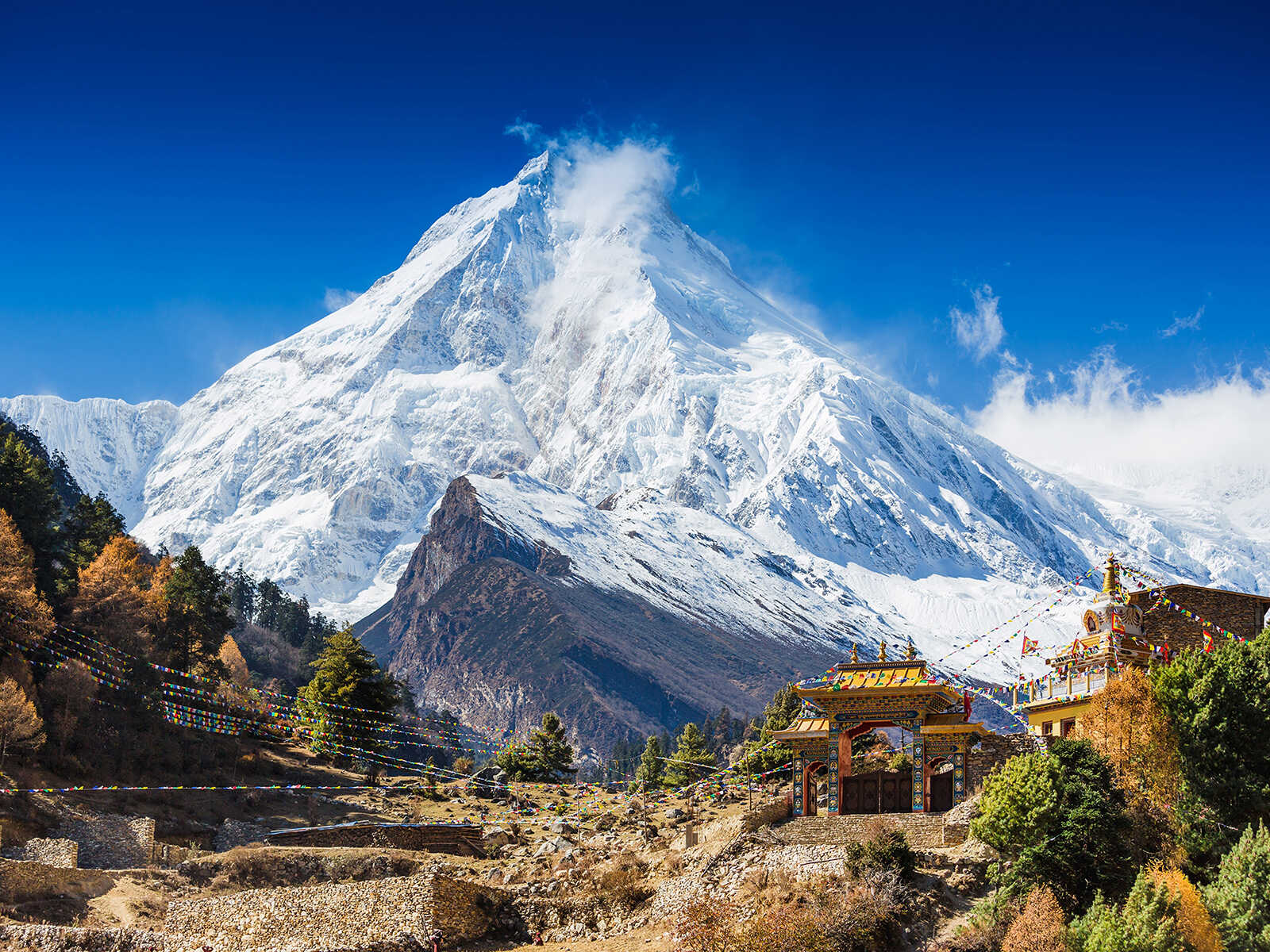
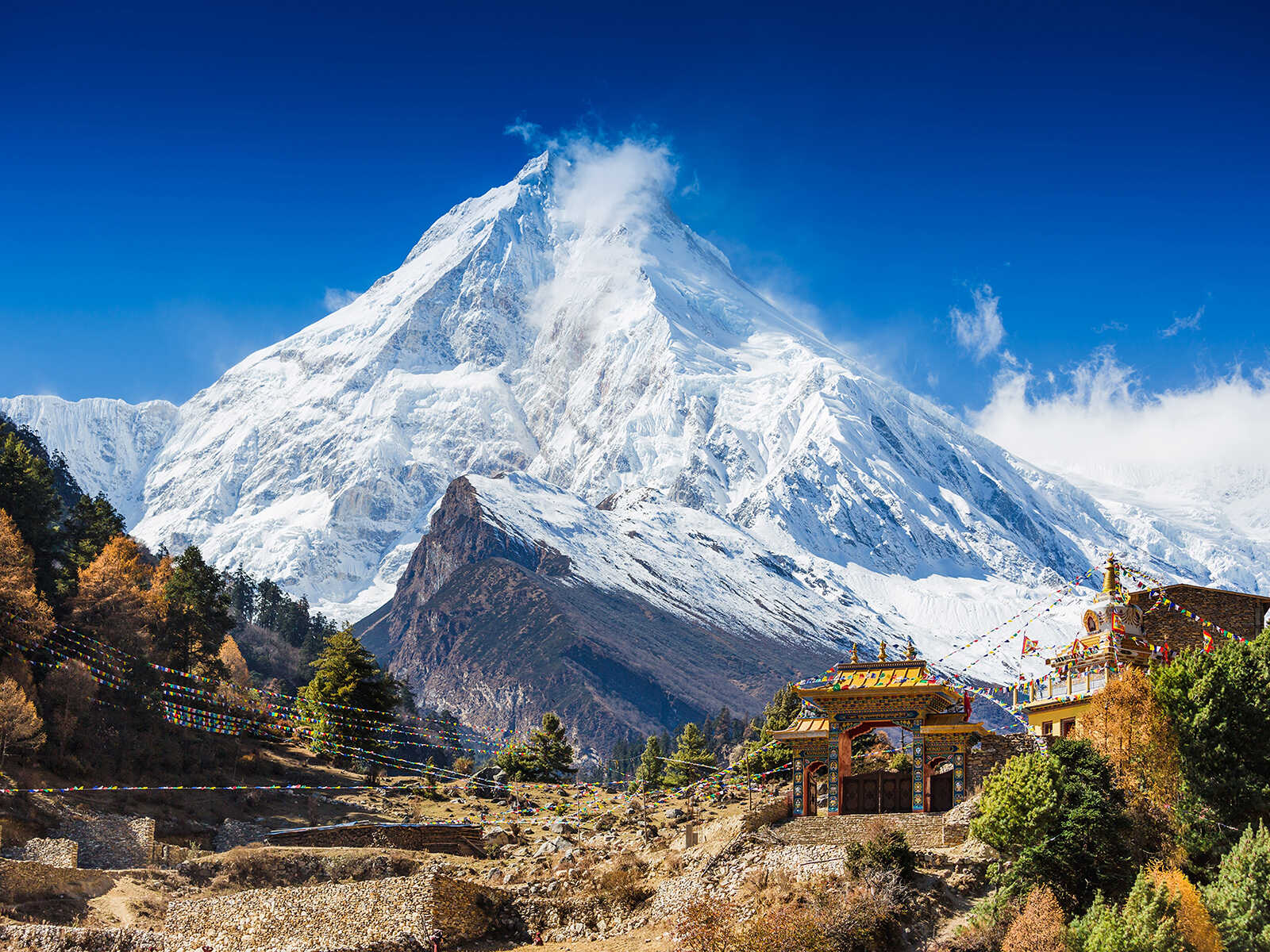
Nestled in the breathtaking Himalayas of Nepal,Sagarmatha National Park is more than just a protected area; it's a realm of towering peaks, ancient glaciers, and the vibrant culture of the Sherpa people. As home to the world’s highest peak,Mount Everest(Sagarmatha in Nepali), this park offers unparalleled opportunities for high-altitude trekking and an immersive experience in one of Earth's most majestic landscapes.
Introduction to Sagarmatha National Park
Established in 1976 and covering an area of 1,148 square kilometers,Sagarmatha National Park is a spectacular natural sanctuary. Its dramatic terrain ranges from deep river gorges at 2,845 meters (9,334 feet) to the icy pinnacle of Mount Everest at 8,848.86 meters (29,031.7 feet). Beyond Everest, the park boasts several other peaks over 6,000 meters, including Lhotse, Cho Oyu, Thamserku, Nuptse, and Ama Dablam, creating a landscape that truly defies description.
A UNESCO World Heritage Site
Recognized for its outstanding universal value,Sagarmatha National Park was inscribed as a UNESCO World Heritage Site in 1979. This designation acknowledges both its extraordinary natural beauty and its significant cultural importance.
Natural Heritage
The park’s natural features are astounding. It encompasses rugged terrain, deep valleys, and glacial moraines, all shaped by the immense forces of the Himalayas. The high-altitude ecosystems support unique flora and fauna adapted to extreme conditions. Glacial meltwaters feed numerous rivers, including the Dudh Kosi, which carves its way through the park, creating stunning valleys and gorges. The dramatic elevation changes within the park foster a rich biodiversity, from sub-alpine forests to alpine meadows and the permanent snow and ice zones.
Cultural Heritage
Equally significant is the cultural heritage of the Sherpa people, who have inhabited this region for centuries. Their unique way of life, deeply intertwined with Tibetan Buddhism, is evident in the numerous monasteries, chortens, mani walls, and prayer flags that dot the landscape. Villages like Namche Bazaar, Khumjung, and Tengboche are not just trekking stops but vibrant centers of Sherpa culture and hospitality, offering a profound insight into their traditions and spiritual beliefs.
Trekking Adventures in Sagarmatha
For trekkers and mountaineers,Sagarmatha National Park is the ultimate playground. It offers a range of trails, from challenging multi-week expeditions to shorter, scenic hikes.
The Classic Everest Base Camp Trek
The most iconic journey through the park is the trek to Everest Base Camp. This legendary route typically takes 12-16 days, starting with a scenic flight to Lukla. The trail winds through Sherpa villages, across suspension bridges adorned with prayer flags, and past ancient monasteries, offering increasingly spectacular views of the world's highest peaks. Trekkers eventually reach Everest Base Camp(5,364m / 17,598ft) and often climb Kala Patthar (5,550m / 18,209ft) for the most iconic sunrise views of Mount Everest.
Other Popular Routes
Beyond the classic Everest Base Camp trek, the park offers other incredible options:
- Gokyo Lakes Trek:This alternative route leads to a series of pristine turquoise glacial lakes and offers breathtaking panoramic views from Gokyo Ri (5,357m / 17,575ft).
- Three Passes Trek:A challenging and rewarding circuit that crosses three high-altitude passes – Kongma La (5,535m / 18,159ft), Cho La (5,420m / 17,782ft), and Renjo La (5,360m / 17,585ft) – connecting the Everest, Gokyo, and Imja valleys.
- Phaplu to Everest Base Camp:A longer, less-trafficked approach starting from lower altitudes, offering a more gradual acclimatization and a deeper cultural immersion.
High-Altitude Challenges
Trekking in Sagarmatha National Park, especially on routes above 4,000 meters, presents significant high-altitude challenges. Trekkers must be prepared for steep ascents, fluctuating weather conditions, and the potential for acute mountain sickness (AMS).
Crucial Tip: Acclimatization is paramount.Always follow a slow, steady ascent schedule, incorporating rest days at higher altitudes to allow your body to adapt. Hydration and listening to your body are key to a safe and enjoyable trek.
Flora and Fauna
Despite its harsh environment,Sagarmatha National Park is home to a surprising diversity of plant and animal life. The lower regions feature forests of rhododendron, birch, juniper, and fir. As elevation increases, these give way to alpine shrubs and meadows, eventually transitioning to sparse grasses and lichens in the highest reaches.
Wildlife encounters, though rare, are unforgettable. The park is a critical habitat for several endangered species, including the elusive snow leopard, red panda, and musk deer. More commonly spotted are Himalayan tahr, ghoral, and various species of pheasants, including the national bird of Nepal, the Danphe (Himalayan Monal).
Sherpa Culture and Hospitality
The Sherpa people are an integral part of the Sagarmatha National Park experience. Renowned for their climbing prowess, resilience, and warm hospitality, they have adapted to life in this challenging environment over centuries. Trekkers will have ample opportunities to interact with Sherpas in their villages, tea houses, and monasteries.
The Tengboche Monastery, perched on a ridge with a panoramic view of Mount Everest and Ama Dablam, is the spiritual heart of the Khumbu region. Visitors can witness daily prayers and ceremonies, gaining insight into the profound Buddhist faith that underpins Sherpa life.
Planning Your Visit
A successful trek in Sagarmatha National Park requires careful planning and preparation.
Best Time to Visit
The optimal trekking seasons are:
- Spring (March to May):Rhododendrons are in bloom, and the weather is generally stable, with clear skies before the monsoon.
- Autumn (September to November):Considered the best time, with stable weather, clear skies, and excellent visibility after the monsoon rains.
Winter (December to February) is extremely cold with heavy snowfall, making many high passes inaccessible. Monsoon (June to August) brings heavy rains, cloud cover, and increased risks of landslides.
Permits and Fees
All visitors to Sagarmatha National Park require permits. These typically include an entry permit for the national park itself and a local government permit for the Khumbu region. These can usually be obtained upon arrival at the park entrance points or in Lukla/Monjo.
Essential Packing List
A comprehensive packing list is crucial for comfort and safety. Key items include:
- Layered clothing (thermal base layers, fleece, waterproof/windproof outer shell)
- Sturdy, broken-in trekking boots
- Warm sleeping bag (rated for -10 to -20°C)
- Down jacket
- Hat, gloves, and sunglasses
- Sunscreen and lip balm
- First-aid kit with personal medications
- Water purification tablets or filter
- Headlamp with spare batteries
- Trekking poles
Responsible Tourism
To preserve the pristine environment and unique culture of Sagarmatha National Park, practice responsible tourism:
- Carry out all your waste, including plastic bottles and wrappers.
- Respect local customs and traditions; ask permission before taking photos of people.
- Support local businesses and use local guides and porters.
- Minimize your environmental footprint.
Getting There
The most common way to access Sagarmatha National Park is by flying from Kathmandu Valley to Tenzing-Hillary Airport in Lukla. This short but exhilarating flight lands on a high-altitude airstrip, marking the official start of your Himalayan adventure. From Lukla, trails lead north into the park, passing through the gateway village of Monjo where park permits are checked.
Conclusion
Sagarmatha National Park offers an unparalleled journey into the heart of the Himalayas. It’s a place where the grandeur of nature meets the resilience of human spirit, where every step reveals a new vista, and every encounter enriches the soul. Whether you dream of standing at Everest Base Camp or simply wish to immerse yourself in the awe-inspiring beauty and culture of the Khumbu, Sagarmatha promises an adventure of a lifetime.