
Nepali Culture & Etiquette: Respectful Travel in the Himalayas
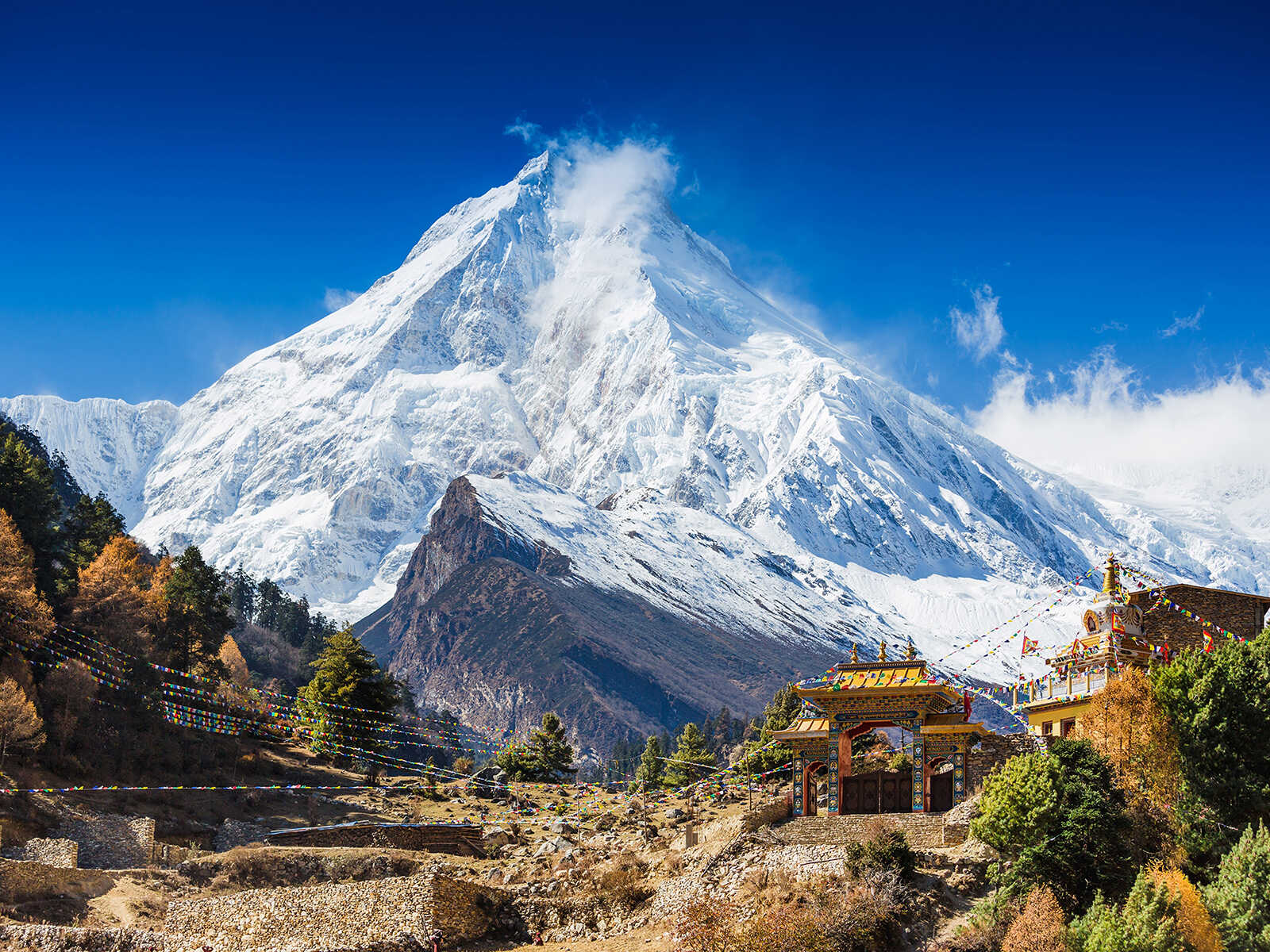
Venturing into Nepal offers an unparalleled journey through stunning landscapes and a rich tapestry of traditions. Understanding and respecting local culture and etiquette isn't just a courtesy; it's key to a truly enriching and authentic experience in this Himalayan nation.
Nepal, a land of ancient kingdoms, spiritual sanctuaries, and diverse ethnic groups, thrives on a foundation of deep-rooted traditions. From the bustling streets of the Kathmandu Valley to the serene mountain trails of the Annapurna region, a mindful approach to local customs ensures you connect genuinely with the people and places you encounter.
Embracing Core Nepali Values
At the heart of Nepali culture lies a profound sense of hospitality and respect. The phrase"Atithi Devo Bhava", meaning "Guests are God," encapsulates the warmth you'll often experience.
- Hospitality:Nepalis are incredibly welcoming. A polite refusal is often necessary if you're offered food or drink and don't wish to accept.
- Respect for Elders:Showing deference to elders is paramount. Greet them respectfully and avoid interrupting them.
- Patience and Flexibility:Life in Nepal often moves at a different pace. Embrace flexibility, especially with schedules, and practice patience.
Greetings and Communication
The most common and respectful greeting isNamaste(or Namaskar), accompanied by pressing your palms together in front of your chest and a slight bow. It’s an acknowledgment of the divine within the other person.
When communicating:
- Use your right hand:For giving, receiving, eating, and pointing. The left hand is traditionally considered impure.
- Avoid pointing:Instead of pointing with a finger, use an open hand or a slight nod of the chin to indicate direction.
- Head Nods:A gentle side-to-side wobble of the head usually means "yes," "okay," or "I understand."
- Personal Space:While Nepalis are generally friendly, public displays of affection (PDA) are uncommon and can be seen as inappropriate.
Navigating Sacred Sites and Temples
Nepal is a land of spiritual significance, with countless temples, stupas, and monasteries. Showing proper respect at these sites is crucial.
- Remove your shoes:Always take off your shoes before entering temples, monasteries, or even homes.
- Dress Modestly:Cover your shoulders and knees. This applies to both men and women. Loose, comfortable clothing is ideal.
- Circumambulate Clockwise:When walking around stupas, chortens, or temples (like Boudha Stupa or Swayambhu Nath Temple), always walk in a clockwise direction.
- Photography:Always ask for permission before photographing people, especially monks, sadhus, or inside temples. Some areas, such as the inner sanctum of Pashupatinath Temple, may prohibit photography entirely.
- Offerings:If you wish to make an offering (prasad), follow local customs or ask for guidance. Avoid touching sacred objects or idols without permission.
Fun Fact:The UNESCO World Heritage site of Lumbini, the birthplace of Buddha, attracts pilgrims and visitors from around the globe, each contributing to its serene, spiritual atmosphere.
Dining Etiquette
Meal times are an important social ritual in Nepal. Observing a few rules can enhance your experience.
- Eat with your right hand:Traditionally, food is eaten by hand, and only the right hand should be used.
- "Jutho" (Polluted Food):It’s considered impolite to offer food or drink that has touched your lips or your plate, as it becomes"jutho"(ritually impure/polluted). Always use a serving spoon, and don't drink directly from a communal bottle.
- Wait to be Served:Elders and guests are usually served first. Wait until everyone is served before beginning to eat.
- Polite Refusal:If you're full, decline politely but firmly. Overeating is not expected.
Dress Code and Appearance
While urban areas like Kathmandu Valley are more relaxed, modesty in dress is generally appreciated, especially in rural areas, religious sites, and when interacting with elders.
- Modest Clothing:For women, covering shoulders and knees is advisable. For men, shorts are generally acceptable, but long trousers are preferred in more conservative settings.
- Cleanliness:Presenting yourself neatly is a sign of respect.
Social Interactions and Taboos
Understanding what to do and what to avoid can prevent misunderstandings.
- Do not step over people:It's considered disrespectful to step over someone's legs or body.
- Do not touch someone's head:The head is considered sacred.
- Bargaining:In local markets, bargaining is common and expected, but always do so with a smile and good humor. Avoid aggressive haggling.
- Children:Nepalis adore children. Feel free to interact, but always ask parents before offering gifts or sweets.
Trekking and Rural Community Etiquette
For those exploring Nepal's breathtaking natural beauty, whether on a trek to Mt Everest or through Sagarmatha National Park, cultural sensitivity extends to the environment and local communities.
- Leave No Trace:Pack out everything you pack in. Respect local ecosystems, especially in protected areas like Chitwan National Park.
- Support Local:Choose local guesthouses, tea houses, and guides to ensure your tourism directly benefits the community.
- Ask Before Entering Homes:If invited into a local home, it's a great honor. Remove your shoes and be mindful of your hosts' customs.
- Water Conservation:Water can be a precious resource in many areas. Be mindful of your usage.
General Tips for a Harmonious Journey
- Learn Basic Phrases:A few words of Nepali like"Dhanyabad"(Thank you) or"Ramro chha"(It's good) go a long way.
- Be Flexible:Things may not always go as planned. Embrace the unexpected with a sense of adventure.
- Tipping:Tipping is not mandatory but appreciated in the tourism sector (guides, porters, hotel staff). A small amount is perfectly acceptable.
- Be Mindful of Festivals:Nepal has numerous vibrant festivals throughout the year. Researching these can provide unique cultural insights and photo opportunities.
Travelling through Nepal is an unforgettable experience, enriched by the warmth of its people and the depth of its traditions. By approaching your journey with an open mind, a respectful attitude, and a willingness to learn, you'll not only have an incredible adventure but also contribute positively to the communities you visit. Namaste!