
Nepal Visa Requirements: A Complete Guide for International Travelers
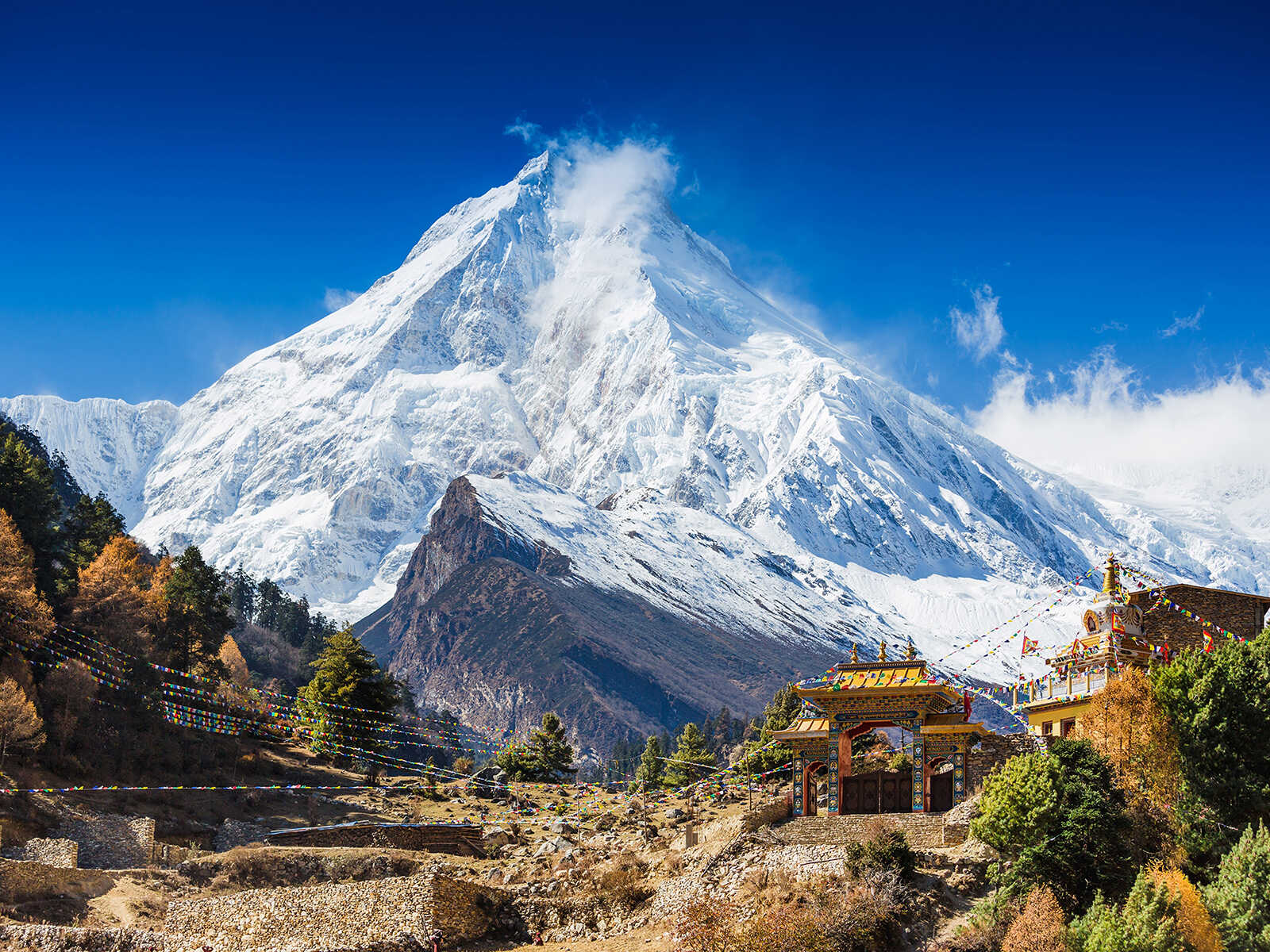
Planning an unforgettable journey to Nepal, the land of the Himalayas, ancient cultures, and spiritual serenity? Before you pack your bags for adventures like trekking to Mt Everest or exploring the vibrant Kathmandu Valley, understanding the visa requirements is your essential first step. This comprehensive guide will navigate you through everything you need to know for a smooth entry into this incredible country.
Understanding Nepal's Visa Policy
Nepal maintains an open and welcoming visa policy for most international travelers, allowing many nationalities the convenience of obtaining a visa upon arrival. However, some countries require a pre-arranged visa, and it's always wise to be prepared regardless of your nationality.
Who Needs a Visa for Nepal?
Generally, all foreign nationals, except Indian citizens, require a visa to enter Nepal. Indian nationals can enter Nepal without a visa and can use a valid Indian passport or an Election Commission Card as their travel document. However, it's always recommended for Indian citizens to carry a valid ID when traveling.
Nepal Visa on Arrival (VoA)
The most popular and convenient option for many tourists is the Visa on Arrival, available at Nepal's sole international airport, Tribhuvan International Airport (TIA) in Kathmandu Valley, and at several land border crossings. This process is generally straightforward and efficient.
Eligibility for Visa on Arrival
Most nationalities are eligible for a Visa on Arrival. However, citizens of certain countries are not eligible andmustobtain a visa from a Nepalese embassy or diplomatic mission in advance. These countries typically include Afghanistan, Cameroon, Eswatini (formerly Swaziland), Ethiopia, Ghana, Iraq, Liberia, Nigeria, Palestine, Somalia, Syria, and Zimbabwe. Always check the official Department of Immigration website for the most current list.
Required Documents for Visa on Arrival
- Valid Passport:Your passport must be valid for at least six months from your date of entry.
- One Recent Passport-Size Photograph:Ensure it's a recent photo with a light background. It's advisable to carry a few spares.
- Completed Online Tourist Visa Form:While you can fill this out at kiosks upon arrival, completing it online (available on the Department of Immigration website) within 15 days of your arrival date can significantly speed up the process. Print the confirmation slip and bring it with you.
- Arrival Card:You will typically receive this on your flight or at the immigration counter.
- Visa Fee:Fees are typically paid in major convertible currencies such as USD, AUD, CAD, EUR, HKD, JPY, GBP, or CHF. It's highly recommended to carry cash in one of these currencies, as card payments might be unreliable or incur extra charges.
The Visa on Arrival Process at TIA (Kathmandu)
- Fill out the Online Application Form:Use one of the self-service kiosks at the arrival hall if you haven't completed it online in advance. This will generate a barcode slip.
- Payment:Proceed to the payment counter with your barcode slip and pay the visa fee. You'll receive a receipt.
- Immigration Counter:Present your passport, photo, barcode slip, payment receipt, and completed arrival card to an immigration officer. They will then process your visa and stamp it into your passport.
The entire process usually takes between 15 minutes to an hour, depending on the queue length. For land border crossings, the process is similar but typically involves manual form filling.
Tip:While trekking permits for regions like Sagarmatha National Park(home to Mt Everest) or the Annapurna region are separate, ensure your visa covers your intended stay duration. Always double-check your stamped visa for accuracy before leaving the immigration counter.
Types of Tourist Visas on Arrival
Tourist visas are issued for different durations, allowing flexibility for your travel plans:
- 15-day multiple-entry visa
- 30-day multiple-entry visa
- 90-day multiple-entry visa
Remember that the maximum stay allowed on a tourist visa in Nepal is 150 days within a single calendar year (January 1st to December 31st).
Applying for a Nepal Visa in Advance
For those who prefer to have their visa sorted before arrival, or for nationalities not eligible for VoA, applying at a Nepalese embassy or consulate in your home country or country of residence is the way to go.
When to Apply in Advance
- If you are a citizen of one of the restricted countries mentioned above.
- If you want to save time upon arrival, especially during peak travel seasons.
- If you are applying for a non-tourist visa (e.g., study, business, work, marriage). These visas almost always require advance application and specific documentation beyond basic tourist requirements.
Process for Advance Visa Application
The process generally involves:
- Visiting the website of the Nepalese embassy or consulate nearest to you to download the application form and check specific requirements.
- Gathering all necessary documents, which typically include your passport, passport-size photos, completed application form, and sometimes flight itineraries or invitation letters.
- Submitting your application in person or via mail (where permitted) and paying the visa fee.
- Waiting for your visa to be processed and issued.
Visa Extensions in Nepal
Should your adventures in Nepal extend beyond your initial visa duration, you can apply for a visa extension. This must be done at the Department of Immigration offices in either Kathmandu Valley(Kalikasthan) or Pokhara (near Fewa Lake).
Requirements for Visa Extension
- Your original passport with valid visa.
- One recent passport-size photograph.
- Completed visa extension application form (available at the Department of Immigration or online).
- The applicable extension fee.
Extensions are usually granted in 15-day increments, up to the 150-day maximum annual limit for tourist visas. Ensure you apply for an extensionbeforeyour current visa expires to avoid penalties.
Overstaying Your Visa
It is crucial to adhere strictly to your visa's validity period. Overstaying your visa in Nepal can lead to significant penalties, including fines for each day of overstay and a daily visa fee. In severe cases, travelers may face detention and deportation, along with a ban from re-entering Nepal for a period. Always plan your departure well in advance and consider a visa extension if needed.
Important Tips for a Smooth Visa Process
- Check Official Sources:Always refer to the official website of the Department of Immigration, Nepal for the most up-to-date information on visa policies and requirements. Travel regulations can change.
- Passport Validity:Ensure your passport has at least six months of validity beyond your intended departure date from Nepal.
- Extra Photos:Carry a few extra passport-sized photos. They might be needed for permits (like those for trekking in Annapurna or visiting Chitwan National Park) or other official documents during your stay.
- Keep Copies:Make digital and physical copies of your passport, visa, flight tickets, and other important documents. Store them separately from the originals.
- Consider Travel Insurance:While not a visa requirement, comprehensive travel insurance is highly recommended for any international trip, especially for destinations like Nepal where adventure activities are popular.
- Explore Nepal's Wonders:With your visa secured, you're ready to immerse yourself in Nepal's rich tapestry of experiences, from the spiritual serenity of Lumbini and Pashupatinath Temple to the natural beauty of Ilam and the cultural vibrancy of Swayambhu Nath Temple and Boudha Stupa.
Navigating the Nepal visa requirements is a straightforward process when you're well-informed. By following this guide and planning ahead, you can ensure a hassle-free entry, allowing you to focus on the breathtaking beauty and unforgettable experiences that await you in the heart of the Himalayas. Safe travels!