
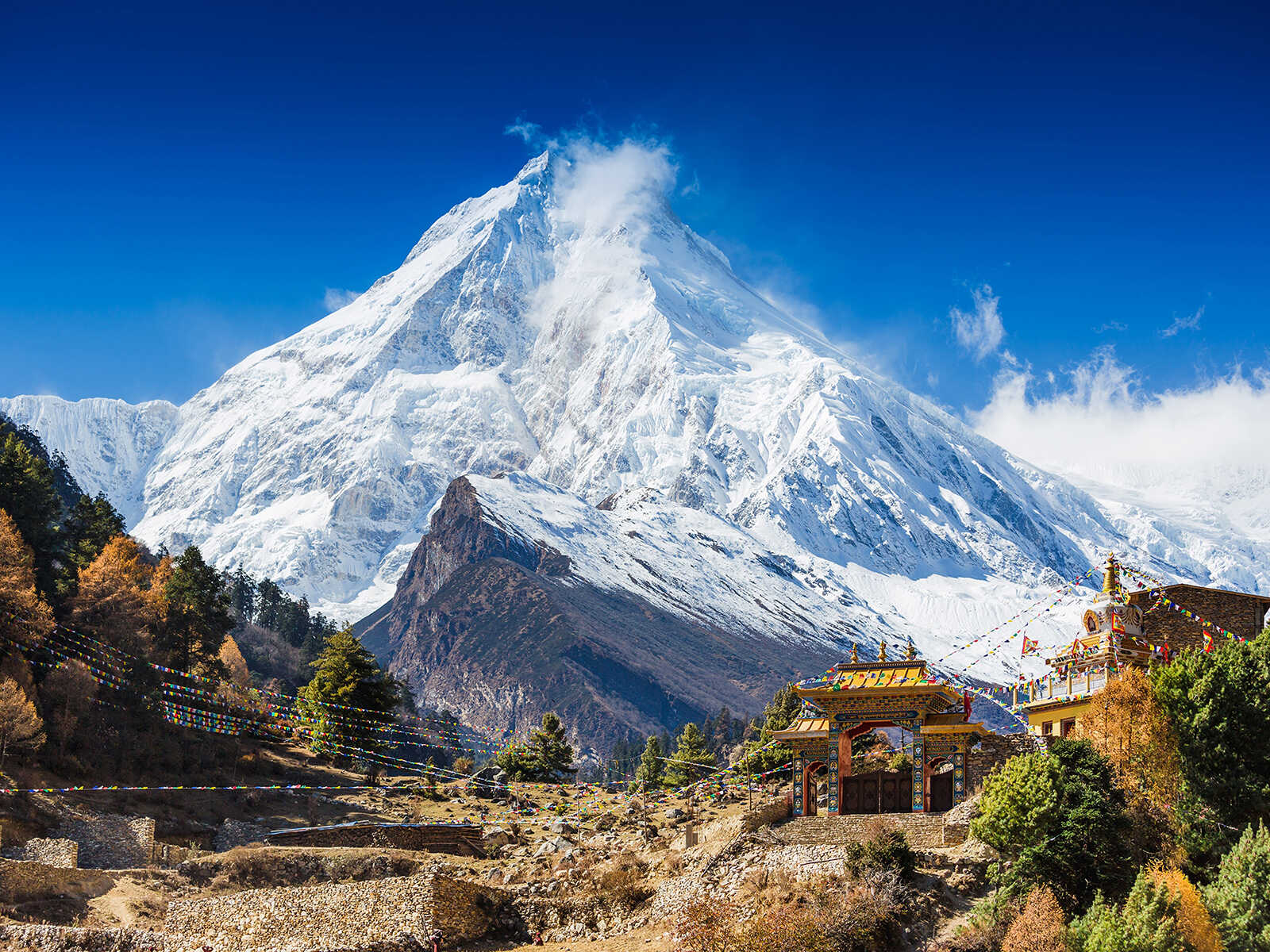
Nepal on a Budget: Smart Tips for Affordable Travel
Nepal, a land of majestic mountains, ancient cultures, and spiritual serenity, offers an incredible travel experience without breaking the bank. With a little planning and an adventurous spirit, exploring this Himalayan gem can be remarkably affordable. This guide provides practical advice to help you stretch your rupees further and discover the true essence of Nepal on a budget.
Planning Your Trip Wisely
Smart preparation is the cornerstone of any budget-friendly adventure. Considering key factors before you even pack can significantly reduce overall costs.
Timing Your Visit for Savings
The peak seasons (autumn and spring) bring ideal weather for trekking but also higher prices and more crowds. Consider travelling during the shoulder seasons (early autumn, late spring) or even the monsoon (June-August) for significant savings on flights and accommodation. While the monsoon brings rain, it also offers lush green landscapes and fewer tourists.
Visa and Entry Essentials
Nepal offers visa-on-arrival for many nationalities, which is generally straightforward and relatively inexpensive. Ensure you have the necessary documents, passport-sized photos, and the correct currency (USD is often preferred for visa fees) to avoid delays. Always check the latest visa requirements and fees before your trip.
Travel Insurance: A Non-Negotiable
While cutting costs is the goal, travel insurance should never be skipped, especially in a country like Nepal where trekking and adventure activities are popular. Ensure your policy covers medical emergencies, trip cancellations, and evacuation if you plan on high-altitude treks. It's a small upfront cost that can prevent massive expenses later.
Smart Transportation Choices
Getting to and around Nepal can be surprisingly affordable if you make informed choices.
International Flights: The Biggest Cost Saver
Your flight to Nepal will likely be the single largest expense. Book well in advance, be flexible with your travel dates, and consider flights with layovers, as direct routes are often more expensive. Flying into major hubs and then connecting to Kathmandu can sometimes yield better deals.
Navigating Nepal: Local Transport for Less
Once in Nepal, embrace local transportation. Long-distance buses are the most economical way to travel between cities and regions. While slower and less comfortable than flights, they offer an authentic experience and spectacular views of the Nepalese countryside. Tourist buses are a step up in comfort from local buses but still significantly cheaper than internal flights. For shorter distances or to more remote areas, shared jeeps are a common and budget-friendly option.
Getting Around Cities
In cities like Kathmandu Valley or Pokhara, walking is often the best way to explore and soak in the atmosphere. For longer distances, local public buses are incredibly cheap, though they can be crowded. Rickshaws and taxis are available, but always negotiate the fare before starting your journey. Ride-sharing apps are also emerging as a convenient and often cheaper alternative to traditional taxis.
Accommodation on a Shoestring
Nepal offers a wide range of accommodation options that cater to budget travellers without compromising on a good night's rest.
Guest Houses, Hostels, and Teahouses
From bustling Kathmandu to tranquil Pokhara and along popular trekking routes, budget guest houses and hostels are plentiful. They offer basic, clean rooms, often with shared bathrooms, and are fantastic places to meet fellow travellers. During treks, teahouses provide basic lodging and meals at very reasonable rates, especially if you also dine there.
Homestays: Authentic and Affordable
For a truly immersive cultural experience and often a lower price point, consider a homestay. These allow you to live with a local family, enjoy home-cooked meals, and gain unique insights into Nepalese life. Homestays are particularly common in rural areas and offer a wonderful way to support local communities directly.
Booking Strategies
While booking online in advance can secure a spot during peak season, walking into a guest house and negotiating a rate in person can sometimes yield better deals, especially during the off-season. Always inspect the room before committing.
Eating Like a Local
Nepalese cuisine is not only delicious but also incredibly budget-friendly, especially when you eat where the locals do.
Embrace Dahl Bhat Power
The national dish, Dahl Bhat (lentil soup, rice, and curried vegetables), is a staple for a reason. It's nutritious, filling, and often comes with unlimited refills (especially in local eateries and teahouses). It's the most cost-effective meal you can find and provides sustained energy for your adventures.
"Dahl Bhat Power, 24 Hour!" is a common saying among trekkers, highlighting the sustained energy provided by Nepal's staple dish. Eating Dahl Bhat is not just a meal; it's a cultural experience.
Savour Authentic Street Food
Nepal's street food scene is vibrant and delicious. Try momos (dumplings), sel roti (rice flour doughnut), samosas, and various fried snacks. Always choose vendors with high turnover and visible hygiene practices to ensure a safe experience. Street food is an excellent way to sample local flavours without spending much.
Seek Out Local Eateries
Avoid restaurants catering exclusively to tourists, as they tend to be pricier. Venture into local "bhattis" or small restaurants where Nepalis eat. The food is authentic, flavourful, and significantly cheaper. Don't be afraid to point at what others are eating if you're unsure what to order.
Activities & Sightseeing for Less
Nepal is rich in cultural and natural attractions, many of which can be enjoyed without a hefty entrance fee.
Discover Free and Low-Cost Attractions
Explore the vibrant streets of Kathmandu Valley, visit local markets, or witness ceremonies at Pashupatinath Temple(from outside or specific viewing points). Wander around Swayambhu Nath Temple(Monkey Temple) or circle the majestic Boudha Stupa, often requiring only a nominal entry fee or none at all for certain areas. In Pokhara, enjoy the serenity of Fewa Lake, where you can rent a rowboat or simply relax by the shore.
Trekking: Independent Adventures
Nepal is world-renowned for its trekking opportunities, including iconic routes in the Annapurna region and paths leading towards Mt Everest Base Camp, often passing through Sagarmatha National Park. While organised treks can be costly, independent trekking is a fantastic budget option. You'll need to arrange your own permits (TIMS card and national park entry fees are mandatory), navigate with maps, and carry your own gear or hire a local porter. This approach saves on guide fees and allows for more flexibility.
Cultural Immersion and Volunteering
For longer stays, consider cultural immersion programs or volunteering opportunities. Many organisations offer placements where you can contribute to local communities in exchange for basic accommodation and meals, allowing for an extended, meaningful, and budget-friendly experience.
Budgeting & Money Management
Keeping a close eye on your finances throughout your trip is crucial for staying within budget.
Cash is King (Mostly)
While credit and debit cards are accepted in major hotels and some larger shops in urban centres, Nepal is largely a cash-based society, especially outside of tourist areas. Always carry small denominations for ease of transactions and keep your cash securely stored. ATMs are available in cities, but be mindful of transaction fees.
Hone Your Negotiation Skills
Bargaining is a common practice in markets, souvenir shops, and when hiring rickshaws or taxis. Always negotiate politely and with a smile, aiming for a fair price that benefits both parties. Avoid aggressive haggling, which can be seen as disrespectful.
Track Your Spending
Keep a simple record of your daily expenses. This helps you identify where your money is going and adjust your spending habits if needed. Setting a daily budget and sticking to it is one of the most effective ways to ensure an affordable trip.
Embrace Sustainable & Responsible Budget Travel
Travelling on a budget in Nepal doesn't mean compromising on responsible tourism. In fact, it often aligns perfectly with sustainable practices.
Support Local Businesses
By staying in local guesthouses, eating at local eateries, and buying directly from local artisans, your money directly benefits the Nepalese economy and its people. This approach often leads to more authentic experiences at better prices.
Respect Culture and Environment
Minimise your environmental footprint by reducing waste, especially plastic. Carry a reusable water bottle and refill it where possible. Dress modestly, especially when visiting religious sites, and always ask for permission before taking photographs of people. Respecting local customs and traditions enriches your experience and fosters positive interactions.
Travelling through Nepal on a budget is not just about saving money; it's about embracing a more authentic, immersive, and rewarding adventure. By making smart choices, living like a local, and being mindful of your impact, you can experience the magic of the Himalayas without overspending. Nepal's incredible landscapes, rich culture, and warm hospitality are accessible to every budget traveller.