
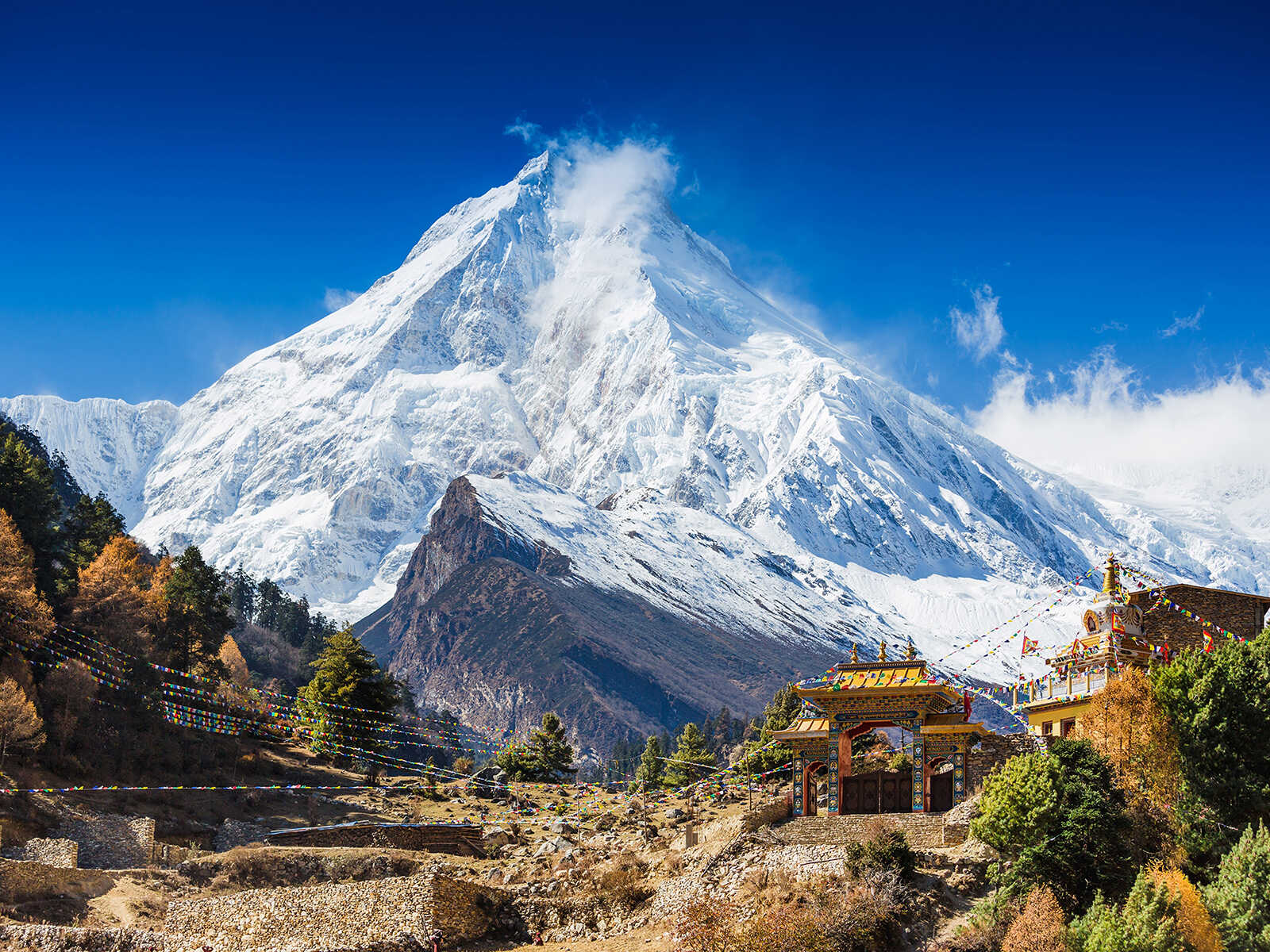
Nepal in Spring: Rhododendron Trails, Clear Skies & Cultural Festivities
Spring in Nepal, from March to May, transforms the landscape into a vibrant canvas, offering an unparalleled experience for trekkers and culture enthusiasts alike. This season promises breathtaking mountain vistas, blooming rhododendron forests, and a calendar brimming with ancient cultural celebrations.
As the winter chill recedes, Nepal awakens with a gentle warmth, making it an ideal time to explore its diverse topography and rich heritage. Whether you dream of conquering high mountain passes or immersing yourself in the spiritual heart of the Kathmandu Valley, spring delivers optimal conditions and unforgettable moments.
Why Spring in Nepal is Unforgettable
The period between March and May is widely considered one of the best times to visit Nepal, and for good reason. The weather is generally stable, characterized by warm, sunny days and comfortable, cool nights. Humidity is low, making for pleasant trekking conditions without the extreme heat of summer or the heavy snows of winter at higher elevations. This stable climate also contributes significantly to unparalleled visibility, offering some of the clearest views of the Himalayan range.
The Rhododendron Bloom: A Hiker's Paradise
One of the most iconic natural spectacles of Nepalese spring is the blossoming of the rhododendron, Nepal's national flower. From late March through April, the hillsides and forests burst into a riot of color, with rhododendron trees (locally known as Lali Gurans) displaying vibrant shades of red, pink, and white.
For trekkers, walking through these flowering forests is a truly magical experience. The Annapurna region, particularly treks like Ghorepani Poon Hill, is renowned for its spectacular rhododendron displays. Trails winding through dense forests become pathways adorned with nature's own confetti.
Other areas like the Langtang Valley and parts of Sagarmatha National Park also showcase magnificent rhododendron blooms, creating stunning photographic opportunities and an unforgettable backdrop to your adventure.
Crystal Clear Skies and Panoramic Vistas
Spring in Nepal is synonymous with clear skies, offering unobstructed, panoramic views of the majestic Himalayas. After the winter snows have settled and before the monsoon clouds gather, the air is crisp and clean, providing exceptional visibility. This is the prime time to witness the grandeur of peaks like Mt Everest, Lhotse, Annapurna, Manaslu, and Dhaulagiri.
Whether you're on a high-altitude trek within Sagarmatha National Park, enjoying a scenic flight, or simply observing from a viewpoint near Pokhara or Nagarkot, the mountain panoramas in spring are simply breathtaking. Early mornings often present the most dramatic views as the sun casts a golden glow on the snow-capped giants.
Cultural Festivities and Spiritual Awakening
Spring in Nepal is not just about natural beauty; it's also a time of profound cultural and spiritual significance. The season is dotted with several vibrant festivals that offer deep insights into Nepalese traditions and beliefs.
Holi: The Festival of Colors
Usually falling in early March, Holi marks the arrival of spring with exuberance and joy. Participants douse each other with colorful powders and water, celebrating the victory of good over evil. Cities and towns, especially in the Kathmandu Valley, erupt in a joyous, multi-hued spectacle.
Bisket Jatra: Nepali New Year
Celebrated primarily in Bhaktapur around mid-April, Bisket Jatra is an ancient annual festival marking the Nepali New Year. It involves the pulling of a massive chariot carrying the deities Bhairava and Bhadrakali through the streets, accompanied by lively music, dancing, and traditional rituals. It's a powerful display of Newari culture and devotion.
Buddha Jayanti: Birth of Lord Buddha
Towards the end of spring, usually in May, Nepal celebrates Buddha Jayanti, the birth anniversary of Lord Buddha. This auspicious day is observed with great reverence, particularly at Buddhist pilgrimage sites.Lumbini, the birthplace of Buddha, becomes a hub of activity with pilgrims, prayers, and candlelit processions. In the Kathmandu Valley, major stupas like Swayambhu Nath Temple(the Monkey Temple) and Boudha Stupa are adorned with prayer flags and illuminated, offering a serene and spiritual experience.
During Buddha Jayanti, the birthplace of Lord Buddha,Lumbini, comes alive with pilgrims and celebrations, offering a profound spiritual experience for visitors.
Trekking and Adventure in Optimal Conditions
Spring is prime season for trekking in Nepal, offering comfortable temperatures and clear trails. Popular long treks like the Annapurna Base Camp and Circuit treks, and the iconic Everest Base Camp trek through Sagarmatha National Park, are at their best. The weather stability reduces risks and enhances the overall enjoyment of these challenging but rewarding journeys.
For those seeking shorter adventures, numerous options abound. The Ghorepani Poon Hill trek offers stunning sunrise views over the Annapurna range and rhododendron forests. Day hikes around the Kathmandu Valley provide glimpses into rural life and historical sites. In Pokhara, boating on Fewa Lake and hiking up to the World Peace Pagoda are popular activities, offering tranquil moments and magnificent views.
Wildlife Encounters
While spring is primarily known for trekking and cultural events, it's also a favorable time for wildlife viewing in Nepal's lowlands. As the weather warms and vegetation begins to bloom, animals become more active.Chitwan National Park, a UNESCO World Heritage site, offers excellent opportunities to spot one-horned rhinos, various species of deer, sloth bears, and numerous bird species. While elusive, tigers are also present, and spring can increase your chances of a sighting as animals move more freely.
Beyond the Trails: Exploring Cities and Villages
Spring's pleasant weather also makes it ideal for exploring Nepal's bustling cities and charming villages. The Kathmandu Valley, with its three ancient cities of Kathmandu, Patan, and Bhaktapur, offers a treasure trove of UNESCO World Heritage Sites. Wander through Durbar Squares, visit sacred temples like Pashupatinath Temple, and explore the spiritual ambiance of Swayambhu Nath Temple and Boudha Stupa.
Pokhara, nestled by Fewa Lake and surrounded by the Annapurna range, is a hub for adventure sports and relaxation. Eastern Nepal's Ilam, known for its lush tea gardens, provides a serene escape with beautiful landscapes.
Practical Tips for Spring Travel in Nepal
- Pack Layers:Days can be warm, but evenings and higher altitudes will be cool. Be prepared for temperature fluctuations.
- Book in Advance:Spring is peak tourist season, especially for popular treks. Secure your flights, accommodations, and trekking permits well in advance.
- Stay Hydrated:Drink plenty of water, particularly when trekking at altitude.
- Sun Protection:The mountain sun is strong. Carry sunscreen, a hat, and sunglasses.
- Acclimatization:For high-altitude treks, build in rest days to acclimatize properly and prevent altitude sickness.
- Respect Local Customs:Nepal is a deeply spiritual country. Dress modestly, especially when visiting temples, and always ask permission before taking photos of people.
In summary, spring in Nepal presents an unparalleled tapestry of natural beauty, cultural depth, and adventurous opportunities. From the vibrant rhododendron trails to the crisp, clear views of the Himalayas and the lively spiritual festivities, it's a season that promises a truly enriching and unforgettable journey.