
Is Nepal Safe for Tourists? Expert Tips for a Secure Journey
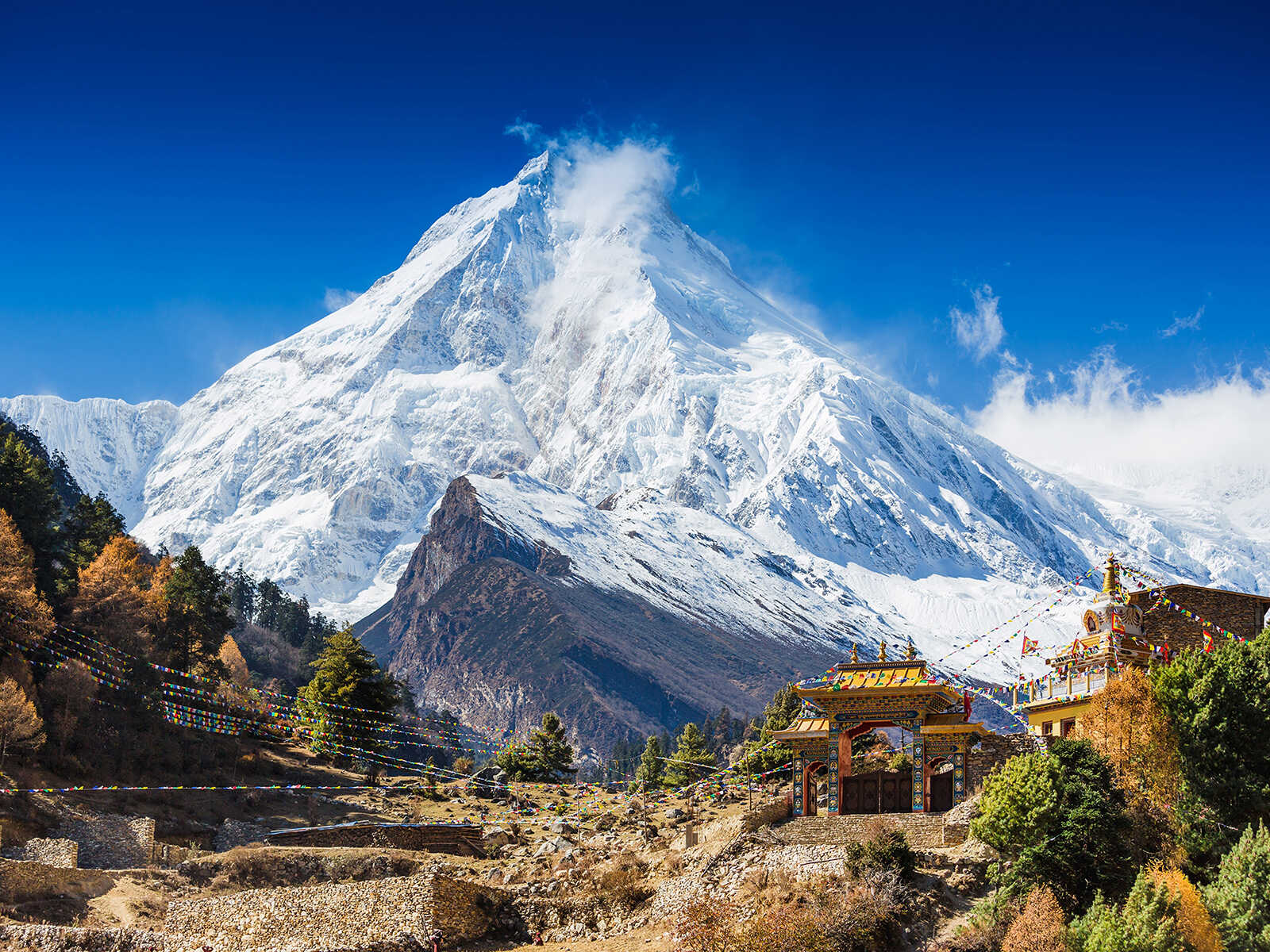
Nepal, a land of majestic Himalayas, ancient cultures, and unparalleled natural beauty, beckons adventurers and spiritual seekers alike. While its allure is undeniable, many prospective travelers naturally wonder about safety. The good news is that Nepal is generally considered a safe and welcoming destination for tourists, provided you travel with awareness and respect for local customs.
Understanding Nepal's Safety Landscape
Nepal has a reputation for its incredibly friendly and hospitable people, which significantly contributes to a positive tourist experience. Serious crime against tourists is rare, and the local population is largely accustomed to and welcoming of international visitors. However, like any destination, understanding the common concerns and realities is key to a smooth trip.
Common Concerns & Realities
- Petty Crime:Instances of pickpocketing or bag snatching can occur, particularly in crowded urban areas like Kathmandu Valley's bustling markets or on public transport. Vigilance and common-sense precautions are usually sufficient to avoid these.
- Natural Disasters:Nepal is seismically active and prone to earthquakes, landslides, and flash floods, especially during the monsoon season (June to September). While significant events are infrequent, it's crucial to be aware of the risks and follow local advice.
- Political Stability:While Nepal has a history of political transitions, major civil unrest directly impacting tourists is uncommon. Local protests, if they occur, are usually localized and easily avoidable with a little local information.
Navigating Urban Areas: Kathmandu and Beyond
Nepal's cities, particularly the capital, are vibrant hubs of activity, offering a rich cultural experience. With their narrow alleyways, bustling markets, and ancient temples, they require a degree of awareness to navigate safely.
Personal Safety in Cities
- Protect Valuables:Keep passports, large sums of cash, and other important documents secure, preferably in a money belt or hotel safe. Only carry what you need for the day.
- Be Wary of Scams:While rare, be cautious of overly friendly strangers offering unsolicited tours or services, especially around popular tourist sites like Pashupatinath Temple or Swayambhu Nath Temple. Always use reputable guides and agencies.
- Nighttime Travel:It's generally safe to walk in well-lit, populated areas at night. However, it's advisable to take a registered taxi or ride-sharing service if you're alone or unfamiliar with the area.
- Public Transport:Buses and micro-buses can be extremely crowded. Keep your belongings close and be mindful of your surroundings.
Health & Hygiene
- Water Safety:Do not drink tap water. Stick to bottled water, purified water, or use a reliable water filter/purifier. Many hotels and guesthouses offer filtered water refill stations, which is an eco-friendly choice.
- Food Choices:Enjoy the local cuisine, but exercise caution with street food. Opt for freshly cooked, hot dishes from busy vendors. When dining out, choose restaurants that appear clean and have a good turnover of customers.
- Medical Facilities:Major cities like Kathmandu and Pokhara have decent hospitals and clinics, but facilities in rural areas are basic. Ensure you have comprehensive travel insurance that covers medical emergencies and potential evacuation.
Trekking & Adventure Safety
Nepal is world-renowned for its incredible trekking opportunities, from the foothills of Mount Everest to the serene trails of the Annapurna region. While these adventures are highlights for many, they come with their own set of safety considerations.
Preparing for Your Trek
- Choose Reputable Operators:For treks, especially to high-altitude regions like Sagarmatha National Park, always use a licensed and experienced trekking agency and guide. They are familiar with the trails, weather patterns, and emergency procedures.
- Permits and Insurance:Ensure you have all necessary trekking permits (e.g., TIMS card, national park permits) and comprehensive travel insurance covering high-altitude trekking and emergency helicopter evacuation.
- Proper Gear:Invest in appropriate clothing, footwear, and equipment suitable for varying weather conditions and terrain.
- Acclimatization:Ascend gradually to prevent Acute Mountain Sickness (AMS). Incorporate rest days into your itinerary, especially above 2,500 meters (8,200 feet).
"Never trek solo in remote areas, especially at high altitudes. The companionship of a guide or fellow trekkers can be life-saving in an emergency."
Environmental Hazards
- Altitude Sickness (AMS):Be aware of AMS symptoms (headache, nausea, dizziness, fatigue) and descend immediately if they worsen.
- Weather Changes:Mountain weather can change rapidly. Always carry layers, rain gear, and a headlamp. Check forecasts regularly, but be prepared for unexpected shifts.
- Trail Safety:Stick to marked trails. Be mindful of narrow paths, loose rocks, and slippery sections, especially after rain or snow.
- Wildlife Encounters:While rare, be aware of local wildlife, particularly in national parks like Chitwan National Park. Follow your guide's instructions and maintain a respectful distance.
Cultural Sensitivity & Respect
Nepal is a deeply spiritual and conservative country. Demonstrating respect for local customs and traditions not only enhances your experience but also fosters positive interactions and contributes to your safety.
- Dress Modestly:Particularly when visiting religious sites like Boudha Stupa or Lumbini, dress modestly, covering shoulders and knees. This applies to both men and women.
- Temple Etiquette:Remove your shoes before entering temples and private homes. Ask for permission before photographing people, especially monks or during religious ceremonies.
- Public Displays of Affection:Keep public displays of affection minimal.
- Bargaining:Bargaining is common in markets, but do so respectfully and with a smile.
Transportation Safety
Getting around Nepal can be an adventure in itself. While infrastructure is improving, roads can be challenging, and safety standards vary.
- Buses:Long-distance buses are the most common form of inter-city travel. Choose reputable tourist buses over local buses for comfort and generally better safety records. Avoid night buses if possible due to road conditions.
- Taxis:Use मीटर (meter) taxis or agree on a fare before starting your journey. Licensed taxis are identifiable by their specific license plates. Ride-sharing apps are also gaining popularity in major cities.
- Domestic Flights:For travel to regions like Lukla (gateway to Mount Everest) or Pokhara (near Fewa Lake and the World Peace Pagoda), domestic flights are efficient but can be prone to delays or cancellations due to weather. Choose reputable airlines.
Emergency Preparedness
Being prepared for unexpected situations is a cornerstone of safe travel.
- Emergency Contacts:Keep a list of important phone numbers: local emergency services, your embassy/consulate, hotel, and trekking agency.
- Travel Insurance:This is non-negotiable. Ensure it covers medical emergencies, trip cancellations, lost luggage, and high-altitude trekking if applicable.
- Document Copies:Keep digital and physical copies of your passport, visa, and insurance policy separate from the originals.
- Stay Informed:Follow local news, embassy advisories, and listen to local guides or hotel staff regarding any safety concerns or changing conditions.
Final Thoughts: Embrace the Nepali Spirit
Nepal offers an incredibly enriching and safe travel experience for those who approach it with an open mind and a sensible approach to safety. The warmth of the Nepali people, the breathtaking landscapes of places like Ilam's tea gardens, and the profound spiritual heritage create memories that last a lifetime.
By taking proactive steps, respecting local customs, and staying informed, you can confidently immerse yourself in all that this spectacular country has to offer. Your secure journey through Nepal will undoubtedly be filled with awe, wonder, and unforgettable adventures.