
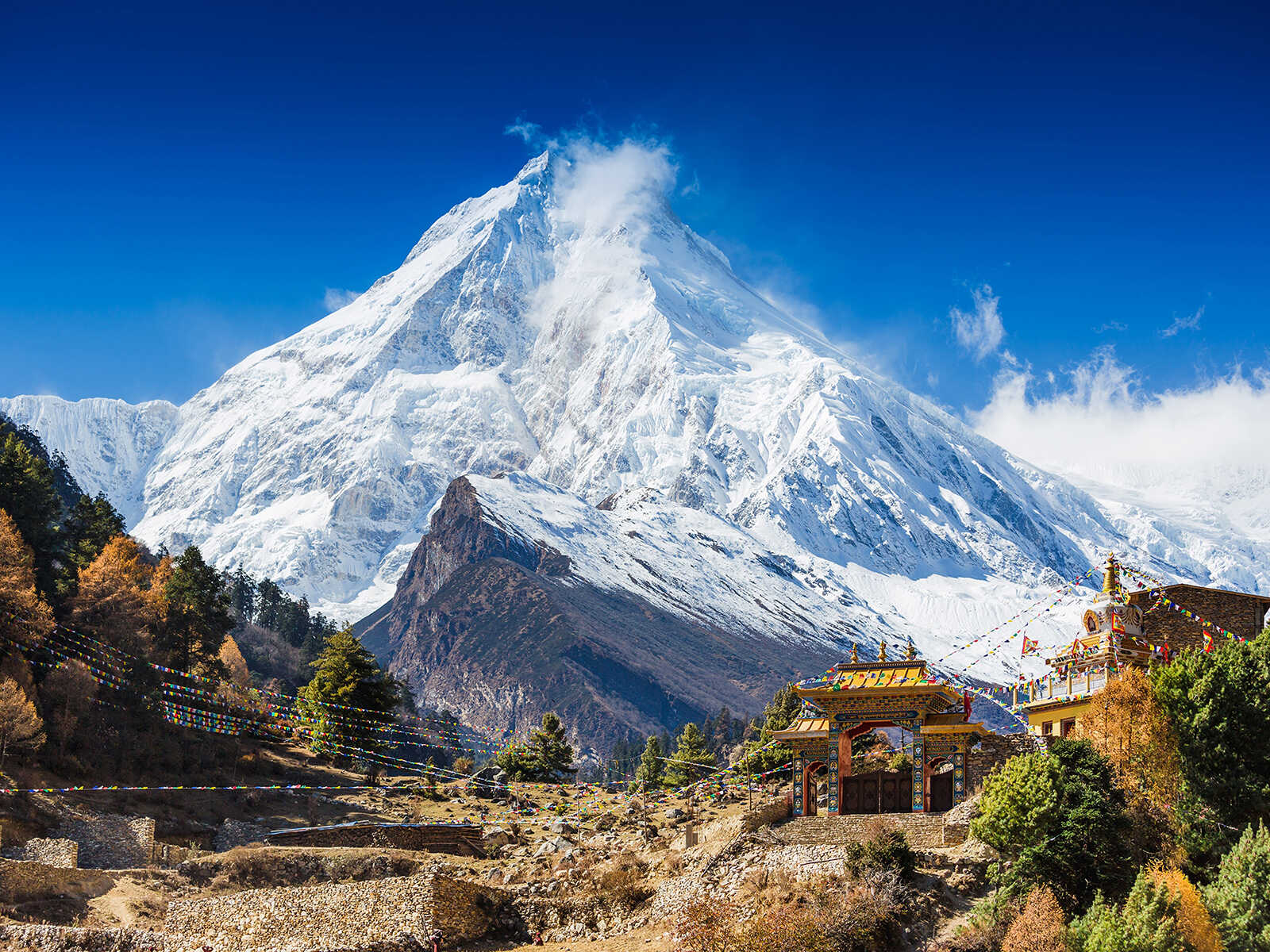
Ilam Tea Gardens: Exploring Nepal's Verdant Eastern Hills
Nestled in Nepal's verdant eastern hills,Ilam stands as a testament to nature's bounty and human cultivation. Often dubbed the "Queen of Hills," this enchanting district is renowned for its sprawling tea estates, cool climate, and picturesque landscapes. A journey to Ilam offers a refreshing escape into a world dominated by lush greenery and the aromatic allure of tea.
While often overshadowed by the towering peaks of the Himalayas, such as Mt Everest, Ilam offers a different, equally captivating facet of Nepal's natural beauty. It's a destination that appeals to nature lovers, culture enthusiasts, and anyone seeking tranquility amidst breathtaking scenery.
The History of Tea in Ilam
The story of tea in Ilam dates back to the mid-19th century when Colonel Gajraj Singh Thapa, the then Governor of Ilam, brought tea seeds from Darjeeling, India. The first tea plantation was established in 1863, marking the beginning of a thriving tea industry in Nepal. The fertile soil, high altitude, and favorable climatic conditions of Ilam proved ideal for tea cultivation, leading to the rapid expansion of tea estates.
Initially, tea production in Ilam was on a smaller scale, primarily for local consumption and limited export. Over the decades, with government support and private investment, the tea industry flourished, transforming Ilam into Nepal's premier tea-producing region. Today, Nepali tea, particularly from Ilam, has gained international recognition for its unique flavor and quality, often compared favorably to its famed Darjeeling counterpart across the border.
What Makes Ilam Tea Special?
Ilam tea is celebrated for its distinctive aroma, delicate flavor, and rich character. Several factors contribute to its exceptional quality:
- Terroir:The unique combination of Ilam's high altitude (ranging from 1,200 to 2,000 meters), rich, acidic soil, and specific climatic conditions (including ample rainfall and mist) creates an ideal environment for tea plants to thrive.
- Orthodox Processing:Most Ilam tea is processed using the orthodox method, involving plucking, wilting, rolling, oxidation, and drying. This traditional method helps retain the natural flavors and aromas of the tea leaves.
- Variety of Teas:Ilam produces various types of tea, each with its own charm:
- Orthodox Black Tea:Full-bodied with a malty or floral note, it's the most common type.
- Green Tea:Minimally oxidized, offering a fresh, grassy, and sometimes nutty flavor.
- Oolong Tea:Partially oxidized, balancing the characteristics of black and green tea, often with fruity or floral undertones.
- White Tea:The least processed, made from young tea buds and leaves, known for its subtle, delicate flavor.
- Organic Practices:Many tea estates in Ilam are shifting towards organic farming practices, avoiding synthetic pesticides and fertilizers, which further enhances the purity and health benefits of the tea.
Fun Fact:The term "Orthodox tea" refers to tea processed using traditional methods, resulting in whole or broken leaf teas. This contrasts with CTC (Crush, Tear, Curl) tea, which produces granular tea often used in teabags.
Experiencing Ilam: Things to Do and See
A visit to Ilam is more than just about sipping tea; it's about immersing oneself in the serene beauty and local culture.
Tea Garden Tours and Factories
The primary attraction in Ilam is undoubtedly its tea gardens. Visitors can stroll through vast, undulating expanses of tea bushes, witnessing tea pickers at work. Many estates offer guided tours that include visits to tea processing factories. Here, you can learn about the journey of tea from leaf to cup, observing the intricate steps of wilting, rolling, fermentation, and drying. Some factories also offer tea tasting sessions, allowing you to sample various blends and purchase fresh tea directly.
Panoramic Viewpoints
Ilam is dotted with several viewpoints that offer breathtaking vistas of the tea gardens, rolling hills, and distant Himalayan ranges on clear days:
- Kanyam and Fikkal:These two popular spots are famous for their perfectly manicured tea gardens, often featured in postcards. They are ideal for photography, picnics, and simply enjoying the tranquil atmosphere. Horse riding is also available in Kanyam.
- Antu Danda:Perched at a higher altitude, Antu Danda is renowned for its spectacular sunrise and sunset views. From here, you can gaze upon the plains of the Terai, the tea gardens, and the majestic snow-capped peaks.
Sacred and Cultural Sites
- Mai Pokhari:A beautiful natural lake surrounded by dense forests, Mai Pokhari is considered a sacred site. It's home to various species of fish and is a popular pilgrimage spot, especially during religious festivals. The serene environment makes it perfect for quiet contemplation.
- Siddha Thumka:A hill offering panoramic views, Siddha Thumka is also known for its cave and religious significance. It's a great spot for a short hike and enjoying the natural beauty.
Local Markets and Produce
Explore the local markets in Ilam Bazaar to experience the vibrant culture and find local produce. Beyond tea, Ilam is famous for other agricultural products like cardamom, ginger, broom grass, and milk products. You can find fresh spices, organic vegetables, and traditional handicrafts, offering a glimpse into the local economy and lifestyle.
Planning Your Trip to Ilam
Best Time to Visit
The ideal time to visit Ilam is during thespring (March to May)andautumn (September to November)seasons. During these months, the weather is pleasant, skies are clear, and the tea gardens are at their most vibrant. Winter (December to February) can be cold but offers crisp views, while monsoon (June to August) brings heavy rainfall, making travel challenging but making the hills extraordinarily lush.
How to Get There
Ilam is accessible by road. The most common route is from Kathmandu Valley, which involves a long but scenic bus journey or a flight to Bhadrapur (Jhapa) or Biratnagar, followed by a taxi or bus ride to Ilam. The journey through the Mahabharat range offers stunning views of the countryside.
Accommodation
Ilam offers a range of accommodation options, from basic teahouses and guesthouses to more comfortable hotels and resorts. Homestays are also becoming popular, providing an opportunity to experience local hospitality and culture firsthand.
Packing Essentials
Regardless of the season, it's advisable to pack layers as temperatures can vary. Comfortable walking shoes are a must for exploring the tea gardens. A hat, sunglasses, and sunscreen are recommended for sunny days. If traveling during the monsoon, rain gear is essential.
Beyond the Tea Gardens
While tea gardens are the heart of Ilam, the district also serves as a gateway to other natural wonders of Eastern Nepal. Its rich biodiversity, cultural diversity, and serene environment make it a perfect destination for those seeking a tranquil retreat and an authentic Nepali experience away from the bustling cities.
Ilam promises an unforgettable journey into Nepal's green paradise. Its gentle hills, fragrant tea estates, and warm hospitality offer a unique and refreshing perspective on this diverse nation.