
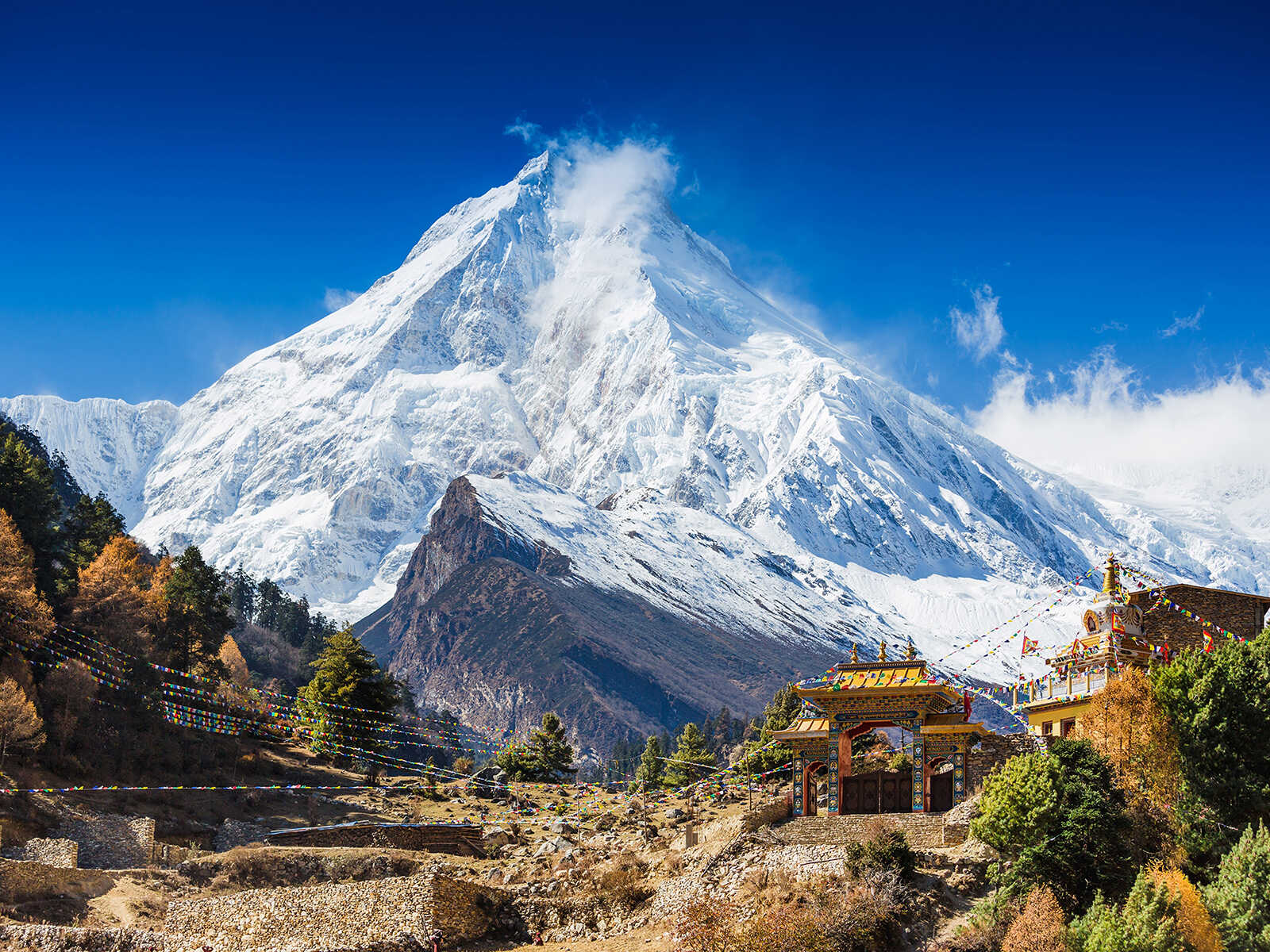
Getting Around Nepal: Transportation Options & Tips for Travelers
Navigating the diverse landscapes of Nepal, from bustling city streets to remote mountain trails, requires understanding the unique transportation options available. This guide provides practical insights into getting around, ensuring your journey through this spectacular country is as smooth and enjoyable as possible.
Navigating Nepal's Diverse Terrain
Nepal's geography is as varied as its culture, presenting both challenges and opportunities for travelers. The flat plains of the Terai, the rolling hills of the middle region, and the towering peaks of the Himalayas each demand different modes of transport. Whether you're seeking adventure or comfort, a blend of options will help you explore this incredible nation effectively.
Air Travel: Connecting Distances
For covering long distances quickly and accessing remote areas, domestic flights are often the most practical choice. While weather can sometimes cause delays, flying offers breathtaking views and significant time savings.
Domestic Flights
Nepal boasts a network of domestic airports connecting major cities and popular trekking hubs. Regular flights operate between Kathmandu Valley and destinations like Pokhara, Bhairahawa (for Lumbini), and Lukla (the gateway to the Everest region and Sagarmatha National Park). These flights are popular for their speed and convenience, especially for those with limited time.
Tip:Always book domestic flights in advance, especially during peak season, and be prepared for potential weather-related delays, particularly for flights to mountainous regions like Lukla.
Helicopter Charters
For unparalleled access to high-altitude regions or for emergency evacuations, helicopter charters are an option. They are frequently used for scenic tours around Mt Everest, reaching remote trekking points in areas like Annapurna, or providing quick transfers for those seeking luxury and exclusivity.
Road Travel: The Backbone of Transportation
For most travelers, road transport forms the primary means of inter-city and intra-city travel. It's an immersive way to see the country, albeit sometimes challenging due to road conditions.
Buses (Local & Tourist)
- Local Buses:These are the most economical option, connecting nearly every town and village. They offer an authentic, albeit often crowded and slow, experience. Ideal for budget travelers and short distances.
- Tourist Buses:Operating on popular routes such as Kathmandu Valley to Pokhara, or to Chitwan National Park, tourist buses are more comfortable, generally have fewer stops, and are preferred by many visitors. They often depart from specific tourist bus parks in major cities. Booking in advance is recommended.
Jeeps & 4x4s
When heading to areas with unpaved or challenging roads, shared jeeps or privately hired 4x4s are invaluable. They are common for reaching trekking trailheads or more remote villages beyond the main highways. Sharing a jeep can be a cost-effective way to reach destinations like those in the Annapurna region.
Taxis & Ride-Sharing
In major cities like Kathmandu Valley and Pokhara, taxis are readily available. It's customary to negotiate the fare before starting your journey, as meters are rarely used. Ride-sharing apps are also gaining popularity in urban centers, offering a convenient way to book and pay for rides without haggling.
Private Cars with Drivers
For maximum comfort, flexibility, and the ability to stop at scenic spots along the way, hiring a private car with a driver is an excellent choice. This option is particularly suitable for families or small groups wanting a customized itinerary, perhaps visiting several sites within Kathmandu Valley such as Pashupatinath Temple,Swayambhu Nath Temple, and Boudha Stupa.
Motorbikes/Scooters
Renting a motorbike or scooter offers immense freedom to explore at your own pace. It's a popular choice for adventurous travelers, especially around Pokhara and the Terai plains. However, road conditions, traffic, and safety precautions (always wear a helmet!) must be seriously considered.
Trekking & Walking: The Ultimate Immersion
In many parts of Nepal, especially the mountainous regions, walking and trekking are not just recreational activities but essential modes of transport. Entire villages are often accessible only by foot, making it an integral part of daily life and travel for visitors.
Iconic treks in the Annapurna and Everest regions are prime examples where your own two feet are your most reliable mode of transport. For longer treks, hiring porters and guides is common, providing both employment for locals and valuable assistance for trekkers.
Unique & Traditional Transport
Beyond the conventional, Nepal offers a few distinctive ways to get around that add to the cultural experience.
Rickshaws & Cycle Rickshaws
For short distances within crowded city centers like those in Kathmandu Valley, rickshaws and cycle rickshaws offer a charming, if slow, way to navigate narrow streets. They provide a unique perspective on local life and are an eco-friendly option.
Cable Cars/Gondolas
Modern cable cars offer scenic rides to specific hilltop destinations. The Chandragiri Hills cable car near Kathmandu Valley provides panoramic views of the Himalayas, and the Manakamana cable car takes pilgrims to a revered temple.
Boats
Boats are primarily used for leisure and specific crossings. In Pokhara, colorful boats glide across Fewa Lake, often transporting visitors to the base of the hike up to the World Peace Pagoda. River rafting is also a popular activity on various rivers throughout the country.
Practical Tips for Travelers
To ensure a smooth journey through Nepal, keep these practical tips in mind:
- Book Ahead:Especially for domestic flights and popular tourist bus routes, booking in advance is crucial, particularly during peak travel seasons.
- Be Flexible:Weather conditions, especially in the mountains, can lead to flight delays or cancellations. Road conditions can also cause unexpected detours or longer travel times. Patience and flexibility are key.
- Pack Light for Flights:Domestic flights often have strict baggage weight limits. Check with your airline to avoid excess baggage fees.
- Bargain Respectfully:When taking taxis or rickshaws, it's common practice to negotiate the fare before you start. Do so with a smile and respect.
- Check Road Conditions:Especially during monsoon season (June to September), heavy rains can cause landslides and make road travel challenging. Always check local reports.
- Safety First:If renting a motorbike, always wear a helmet and ensure the bike is in good condition. When traveling by road, choose reputable bus companies or private hire services.
- Keep Small Change:For local buses, rickshaws, and small purchases, having small denominations of Nepalese Rupees is very helpful.
- Consider Travel Insurance:Comprehensive travel insurance that covers medical emergencies, trip cancellations, and even helicopter rescue (if trekking) is highly recommended.
Nepal's transportation system, while sometimes challenging, is an integral part of the travel experience. By understanding your options and embracing the journey, you're well on your way to an unforgettable adventure.