
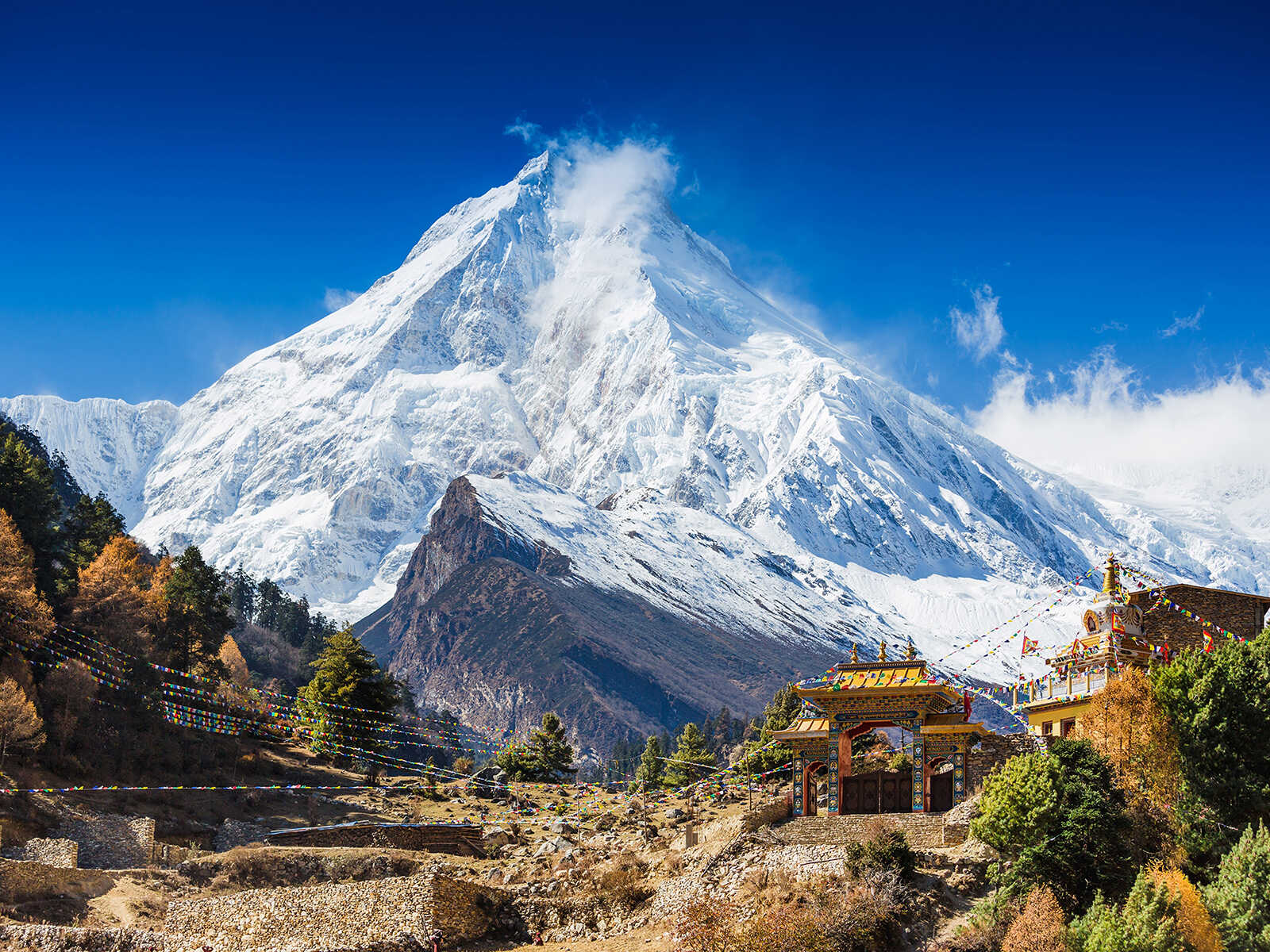
Everest Base Camp Trek: Planning Your Ultimate Himalayan Adventure
The Everest Base Camp trek is a legendary journey, a pilgrimage for adventurers seeking to stand in the shadow of the world's highest peak. This comprehensive guide will equip you with the essential knowledge to plan your unforgettable expedition to the heart of the Himalayas.
Embarking on the EBC Trek: Why Now?
For many, the Everest Base Camp (EBC) trek isn't just a hike; it's a profound experience that combines physical challenge with breathtaking scenery and rich Sherpa culture. Trekking to the base of Mount Everest offers unparalleled views of some of the planet's most iconic mountains, including Lhotse, Nuptse, and Ama Dablam, all while immersing you in the unique atmosphere of the Khumbu region.
Essential Planning Steps for Your EBC Adventure
1. Best Time to Trek
Timing is crucial for a successful EBC trek. The most popular and favorable seasons are:
- Spring (March to May):Characterized by stable weather, clear skies, and rhododendron blooms at lower altitudes. Temperatures are moderate.
- Autumn (September to November):Generally considered the best time, offering excellent visibility, mild temperatures, and crisp, clean air after the monsoon.
Winter (December to February) is possible but much colder with heavier snow, while the monsoon season (June to August) brings heavy rains and obscured views, making trekking more challenging.
2. Choosing Your Trekking Style: Guided vs. Independent
You have a few options for undertaking the EBC trek:
- Organized Tour (Recommended):Hiring a reputable trekking company provides guides, porters, accommodation, and often domestic flights. This option simplifies logistics, enhances safety, and supports local employment. Guides are invaluable for navigation, cultural insights, and managing emergencies.
- Independent Trekking with a Guide/Porter:You can arrange your own flights and accommodation but hire a local guide and/or porter in Lukla or Namche Bazaar. This offers more flexibility while still providing essential support.
- Fully Independent Trekking:While technically possible, it's generally not recommended for first-timers due to the complexities of navigation, altitude sickness management, and logistics in remote areas.
3. Visa and Permits
To enter Nepal, most nationalities require a visa, which can be obtained on arrival at Tribhuvan International Airport in Kathmandu Valley or from a Nepalese embassy abroad. For the trek itself, you'll need:
- Sagarmatha National Park Entry Permit:Required for entry into Sagarmatha National Park, which encompasses the EBC trail.
- Khumbu Pasang Lhamu Rural Municipality Entrance Permit:This local permit is typically purchased in Lukla or Monjo.
If you're using a trekking company, they usually handle these permits for you.
4. Travel Insurance: A Non-Negotiable
Comprehensive travel insurance is absolutely essential. Ensure your policy covers high-altitude trekking (up to 6,000 meters / 19,685 feet) and includes emergency helicopter evacuation. Medical emergencies are rare but can be serious, and a good policy provides peace of mind.
Physical Preparation: Getting EBC-Ready
While the EBC trek doesn't require technical climbing skills, it is physically demanding. You'll be walking for 5-7 hours daily over varied terrain at increasing altitudes. A good level of cardiovascular fitness and strength is crucial.
Training Tips:
- Cardiovascular Training:Incorporate activities like running, cycling, swimming, or brisk walking for 3-4 days a week, 1-2 hours per session, for at least 2-3 months prior.
- Strength Training:Focus on legs and core with exercises like squats, lunges, planks, and step-ups.
- Hiking Practice:Go on long hikes (4-6 hours) with a weighted backpack (5-7 kg / 11-15 lbs) on hilly terrain. This helps condition your body and break in your boots.
Your Essential Packing List
Layering is key for the fluctuating temperatures on the EBC trek. Here’s a general overview of what to pack:
Clothing:
- Base Layers:Moisture-wicking tops and bottoms (merino wool or synthetic).
- Mid-Layers:Fleece jackets or down vests for warmth.
- Outer Layers:Waterproof and windproof shell jacket and trousers. A warm down jacket for higher altitudes.
- Headwear:Sun hat, warm woolly hat, and a neck gaiter or buff.
- Gloves:Inner liners and warm, waterproof outer gloves.
- Socks:Several pairs of wool or synthetic trekking socks.
Footwear:
- Trekking Boots:Waterproof, well broken-in, with good ankle support.
- Camp Shoes/Sandals:For comfort in lodges.
Gear:
- Backpack:30-45 liter daypack for your essentials. If using porters, a duffel bag for main luggage.
- Sleeping Bag:Rated to -10°C to -20°C (14°F to -4°F) for colder nights.
- Trekking Poles:Highly recommended for stability and reducing strain on knees.
- Water Bottle/Hydration Bladder:At least 2 liters capacity.
- Headlamp:With spare batteries.
- Sunglasses:UV protective, preferably wrap-around.
- Sunscreen and Lip Balm:High SPF.
- Personal First-Aid Kit:With blister treatment, pain relievers, and any personal medications.
- Snacks:Energy bars, nuts, dried fruit.
Fun Fact:The Khumbu Icefall, one of the most dangerous sections for climbers on Mount Everest, is located just above Everest Base Camp. Trekkers only view it from a distance.
Conquering Altitude Sickness: Acclimatization is Key
Altitude sickness (Acute Mountain Sickness or AMS) is a serious concern. The EBC trek involves significant altitude gain, with Gorak Shep at 5,164m (16,942 ft) and EBC itself at 5,364m (17,598 ft).
Prevention Strategies:
- Ascend Slowly:A gradual ascent schedule is built into standard EBC itineraries, including dedicated acclimatization days (e.g., in Namche Bazaar and Dingboche).
- Stay Hydrated:Drink plenty of water (3-4 liters per day).
- Eat Well:Maintain a good diet, preferring carbohydrates.
- Avoid Alcohol and Smoking:These can worsen AMS symptoms.
- Listen to Your Body:Report any symptoms (headache, nausea, dizziness, fatigue) to your guide immediately.
- Medication:Discuss Diamox (acetazolamide) with your doctor before your trip; it can help prevent or reduce AMS symptoms.
A Glimpse into the EBC Trek Itinerary (Typical)
A typical EBC trek takes about 12-14 days from Kathmandu and back, including flight days and acclimatization. Here’s a simplified overview:
- Day 1: Arrive in Kathmandu.Explore the vibrant capital city.
- Day 2: Fly to Lukla (2,860m) & Trek to Phakding (2,610m).The adventure begins with a thrilling mountain flight.
- Day 3: Trek to Namche Bazaar (3,440m).A challenging ascent to the Sherpa capital.
- Day 4: Acclimatization Day in Namche Bazaar.Hike to a viewpoint for Everest views and explore the town.
- Day 5: Trek to Tengboche (3,860m).Visit the famous Tengboche Monastery.
- Day 6: Trek to Dingboche (4,410m).Gradual ascent through rhododendron forests.
- Day 7: Acclimatization Day in Dingboche.Hike up to Nangkartshang Peak for stunning views.
- Day 8: Trek to Lobuche (4,910m).Passing through memorial stupas for fallen climbers.
- Day 9: Trek to Gorak Shep (5,164m) & EBC (5,364m).The highlight! Visit Everest Base Camp and return to Gorak Shep.
- Day 10: Hike to Kala Patthar (5,545m) & Trek to Pheriche (4,280m).Early morning hike for panoramic Everest sunrise views, then descend.
- Day 11: Trek to Namche Bazaar (3,440m).A long descent back.
- Day 12: Trek to Lukla (2,860m).Final day of trekking.
- Day 13: Fly to Kathmandu.Return to the capital.
- Day 14: Departure from Kathmandu.
Embracing Sherpa Culture and Environmental Responsibility
Beyond the stunning landscapes, the EBC trek offers a deep dive into the rich culture of the Sherpa people. You'll encounter Buddhist monasteries, prayer flags, and stupas along the trail. Respect local customs, dress modestly, and always walk clockwise around religious monuments.
As trekkers, we have a responsibility to protect this pristine environment. Adhere to "Leave No Trace" principles: pack out everything you pack in, dispose of waste properly, and minimize your impact on the delicate ecosystem of Sagarmatha National Park.
Your Ultimate Himalayan Adventure Awaits
The Everest Base Camp trek is an adventure of a lifetime, a journey that challenges the body and inspires the soul. With careful planning, proper preparation, and a spirit of adventure, you too can experience the awe-inspiring grandeur of the Himalayas and stand at the foot of the world's highest peak. Get ready to create memories that will last forever.