
Essential Nepali Phrases for Travelers: Navigate with Confidence
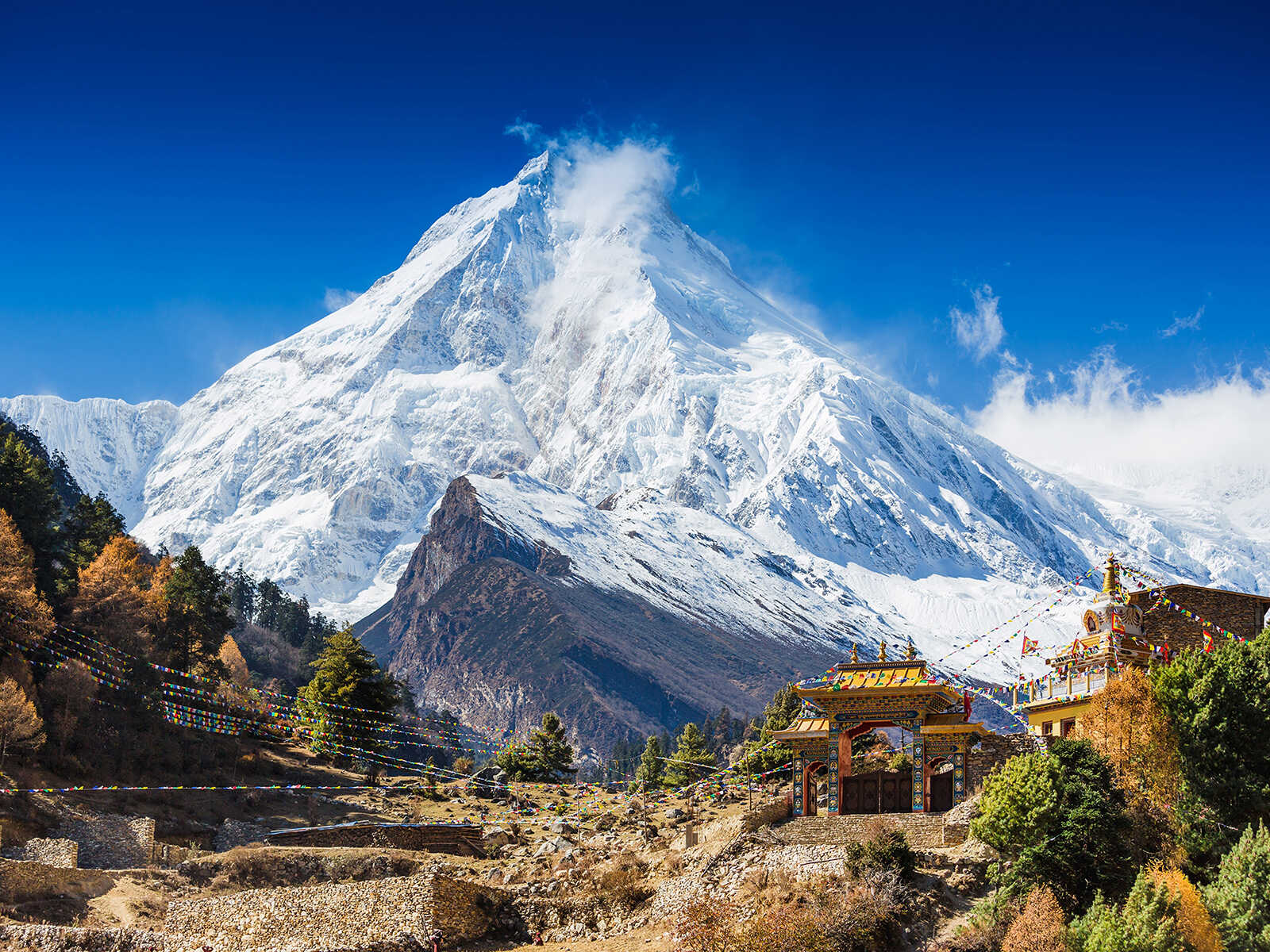
Embarking on a journey to Nepal is an adventure for the senses, from the majestic Himalayas to the bustling streets of Kathmandu Valley. While many Nepalis in tourist areas speak English, learning a few essential phrases in their native language, Nepali, can profoundly enrich your travel experience. It’s a gesture of respect and an open door to deeper cultural immersion.
Why Learn Basic Nepali? More Than Just Words
Beyond the practicalities of asking for directions or ordering food, speaking a few local phrases demonstrates genuine interest and respect for Nepali culture. Locals often appreciate the effort, leading to warmer interactions, more authentic experiences, and even a friendly smile or two. It can open up conversations you wouldn't otherwise have, making your trip truly unforgettable.
Fun Fact:Nepali is an Indo-Aryan language spoken by over 25 million people, primarily in Nepal and parts of India. It's written in the Devanagari script, just like Hindi.
The Absolute Essentials: Greetings & Politeness
Starting with greetings is the easiest way to connect. The most versatile phrase in Nepali isNamaste.
Greetings
- Namaste / Namaskar(नमस्ते / नमस्कार) – Hello / Goodbye / Thank you
- Subha Din(शुभ दिन) – Good day
- Subha Ratri(शुभ रात्री) – Good night
- Tapai lai kasto chha?(तपाईंलाई कस्तो छ?) – How are you?
- Malai sanchai chha, dhanyabad.(मलाई सन्चै छ, धन्यवाद।) – I am fine, thank you.
This is the cornerstone of Nepali communication. Said with palms pressed together, fingers pointing upwards, and a slight bow, it conveys respect and warmth. Use it when meeting people, leaving, or expressing gratitude.
Basic Etiquette
Politeness goes a long way in any culture. Master these simple phrases to show your appreciation and navigate interactions smoothly.
- Dhanyabad(धन्यवाद) – Thank you
- Hajur(हजुर) – Yes / Excuse me / Pardon / Sir/Madam
- Chaina(छैन) – No / Not available
- Kripaya(कृपया) – Please
- Maaf garnuhos(माफ गर्नुहोस्) – Excuse me / Sorry
A highly versatile word,Hajurcan confirm, politely get attention, or indicate you didn't quite hear something.
Getting Around: Directions & Transport
Navigating the vibrant streets of cities like Kathmandu or Pokhara, or finding your way to iconic sites like Pashupatinath Temple or the World Peace Pagoda, becomes much easier with a few key phrases.
Asking for Directions
- ... kahan chha?(... कहाँ छ?) – Where is...?
- Daaya(दायाँ) – Right
- Baaya(बायाँ) – Left
- Sojho(सोझो) – Straight
- Yo kahan jane ho?(यो कहाँ जाने हो?) – Where does this go?
Example:"Bas park kahan chha?" (Where is the bus park?)
Transportation
When hopping into a taxi, rickshaw, or local bus, these phrases can be very helpful.
- Ma ... janchhu.(म ... जान्छु।) – I am going to...
- Yaha roknuhos.(यहाँ रोक्नुहोस्।) – Stop here.
- Hamilai ... chahiyo.(हामीलाई ... चाहियो।) – We need to go to...
Example:"Ma Boudha Stupa janchhu." (I am going to Boudha Stupa.)
Dining & Shopping: A Taste of Local Life
From enjoying a traditional Dal Bhat to browsing local markets, these phrases will enhance your interactions.
At the Restaurant
Nepali cuisine is a highlight for many travelers. Don't be shy to try local delicacies!
- Menu(मेनु) – Menu
- Pani(पानी) – Water
- Khana(खाना) – Food
- Mitho chha!(मिठो छ!) – It's delicious!
- Pugyo!(पुग्यो!) – Enough! / I'm full!
- Ani ke chha?(अनि के छ?) – What else is there? (Useful when exploring menu options)
Shopping & Local Markets
Whether you're looking for souvenirs in Thamel or fresh produce, a little Nepali can make the experience more enjoyable.
- Yo ke ho?(यो के हो?) – What is this?
- Yo ramro chha.(यो राम्रो छ।) – This is good/nice.
- Thulo(ठूलो) – Big
- Sano(सानो) – Small
Asking for Help & Emergencies
While we hope you won't need them, knowing how to ask for help is crucial for safety and peace of mind, especially if you're exploring remote areas like Sagarmatha National Park or trekking in Annapurna region.
- Malai sahayog chahiyo.(मलाई सहयोग चाहियो।) – I need help.
- Doctor kahan chha?(डाक्टर कहाँ छ?) – Where is the doctor?
- Police kahan chha?(पुलिस कहाँ छ?) – Where is the police?
- Hami harayau.(हामी हरायौं।) – We are lost.
- Malai birami chha.(मलाई बिरामी छ।) – I am sick.
Beyond the Basics: Connecting Deeper
These phrases help you move beyond basic transactions and forge genuine connections with locals, whether you're in the spiritual heart of Lumbini or the tea gardens of Ilam.
Getting to Know People
- Mero naam ... ho.(मेरो नाम ... हो।) – My name is ...
- Tapai ko naam ke ho?(तपाईंको नाम के हो?) – What is your name?
- Ma ... bata ho.(म ... बाट हो।) – I am from ...
- Tapai lai bhettera khusi lagyo.(तपाईंलाई भेटेर खुसी लाग्यो।) – Nice to meet you.
Example:"Ma America bata ho." (I am from America.)
Understanding Culture
A little appreciation goes a long way.
- Nepal ramro chha.(नेपाल राम्रो छ।) – Nepal is beautiful.
- Dhanyabad!(धन्यवाद!) – Thank you! (Repeating for emphasis on its importance)
You might use this when admiring the serene Fewa Lake or the grandeur of Mt Everest.
Tips for Learning & Practice
Learning a new language can seem daunting, but even a few words can make a big difference. Here are some tips:
- Start Small:Focus on 5-10 phrases first and expand gradually.
- Practice Daily:Even a few minutes a day can build confidence.
- Don't Be Afraid to Make Mistakes:Locals will appreciate your effort, even if your pronunciation isn't perfect.
- Use a Phrasebook or App:Keep one handy for quick reference.
- Listen Actively:Pay attention to how locals speak and try to mimic their intonation.
- Smile!A friendly demeanor goes a long way in bridging any language gap.
- Engage with Locals:Try out your phrases with shopkeepers, hotel staff, or guides. They'll often be delighted to help you practice.
Conclusion: Unlock a Richer Nepali Adventure
Learning essential Nepali phrases isn't just about communication; it's about opening yourself to a richer, more authentic travel experience. It's about showing respect, forging connections, and creating memories that go beyond the usual tourist trail. So, pack your bags, practice yourNamaste, and get ready to navigate Nepal with confidence and a deeper understanding of its incredible culture.
Your journey to Chitwan National Park,Swayambhu Nath Temple, or any corner of this magnificent country will be all the more rewarding for it.