
Chitwan National Park Safari: Wildlife Encounters & Jungle Adventures
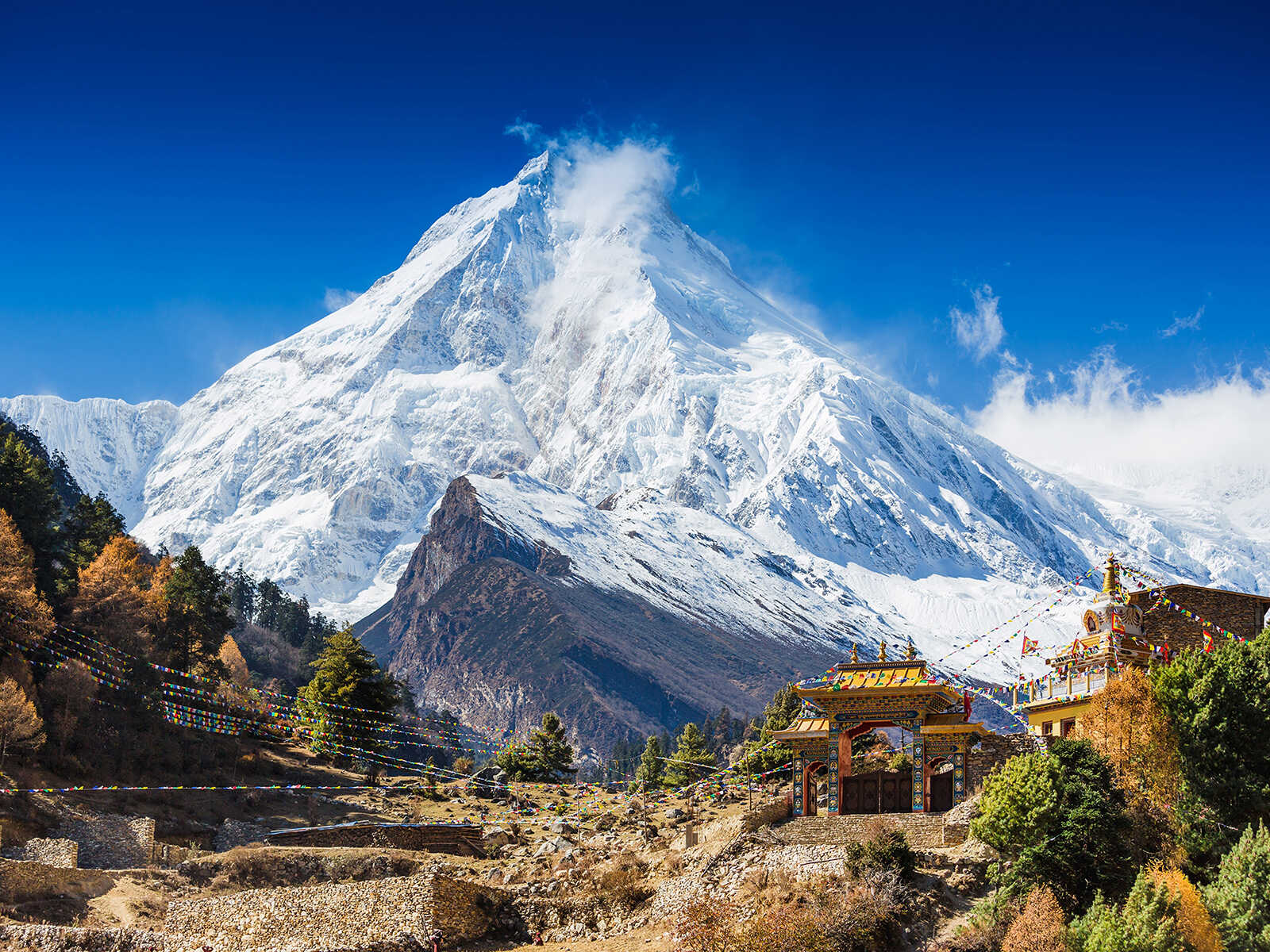
Deep in Nepal's Terai lowlands lies Chitwan National Park, a UNESCO World Heritage site offering a remarkable contrast to the country's towering Himalayan peaks. This vibrant wilderness promises unforgettable wildlife encounters and thrilling jungle adventures, making it a must-visit for nature enthusiasts.
A safari in Chitwan is an immersive journey into a thriving ecosystem, home to some of Asia's most iconic and endangered species. Beyond the breathtaking wildlife, the park also offers a glimpse into the rich culture of the Tharu people, the indigenous community of the region.
Why Choose Chitwan for Your Wildlife Safari?
Unlike safaris in Africa,Chitwan National Park offers a unique experience focused on Asian biodiversity. It is globally recognized for its successful conservation efforts, particularly for the endangered one-horned rhinoceros and the elusive Bengal tiger. The park's diverse habitats, ranging from dense Sal forests to grasslands and riverine areas, support an incredible array of flora and fauna.
A Haven for Endangered Species
- One-Horned Rhinoceros:Chitwan is one of the best places in the world to spot these magnificent creatures in their natural habitat. Their population here has seen a remarkable recovery thanks to dedicated conservation efforts.
- Bengal Tiger:While sightings are rare due to their elusive nature, the thrill of knowing these majestic big cats roam the jungles adds an unparalleled excitement to any safari.
- Gaur:The largest species of wild cattle, also known as the Indian bison.
- Sloth Bear:Often seen foraging for insects and fruit.
- Leopard:Another elusive big cat, though less commonly sighted than the tiger.
Unforgettable Safari Activities in Chitwan
The park offers a variety of ways to explore its wilderness, each providing a unique perspective and opportunity for wildlife viewing.
Jeep Safari
The most popular way to cover significant ground within the park, a jeep safari takes you deep into the jungle, increasing your chances of spotting larger mammals like rhinoceros, deer species, and if you're lucky, a tiger. Expert naturalists accompany the tour, providing insights into the park's ecosystem and animal behavior.
Canoeing on the Rapti River
A serene and intimate experience, canoeing along the tranquil Rapti River offers a different kind of wildlife encounter. Glide past gharials (fish-eating crocodiles) and mugger crocodiles sunbathing on the riverbanks, and marvel at the incredible diversity of birdlife. This is an ideal activity for birdwatchers and those seeking a peaceful jungle experience.
Fact:The Rapti River is home to two species of crocodiles: the critically endangered Gharial, recognizable by its long, narrow snout, and the more common Mugger crocodile with its broader snout.
Jungle Walking Safari
For the truly adventurous, a guided jungle walk offers an immersive experience. Accompanied by experienced naturalists and armed guides, you'll explore the jungle on foot, learning about medicinal plants, tracking animal prints, and observing smaller creatures often missed on vehicle safaris. This is a chance to truly connect with the sights, sounds, and smells of the forest.
Bird Watching
Chitwan National Park is a birder's paradise, boasting over 500 species of resident and migratory birds. From vibrant kingfishers and hornbills to various eagles and storks, the park offers excellent opportunities for bird photography and observation, especially during the canoeing trips and early morning jungle walks.
Tharu Cultural Program
Beyond wildlife,Chitwan offers a window into the local culture. Many lodges and resorts organize traditional Tharu cultural programs in the evenings. Witnessing their stick dance and other performances provides a fascinating insight into the indigenous community's traditions and way of life.
Planning Your Chitwan Safari
Best Time to Visit
The ideal time for a Chitwan National Park safari is during the dry season, fromOctober to March. The weather is pleasant, temperatures are moderate, and the sparse vegetation makes wildlife spotting easier. Visibility is also excellent during these months. The monsoon season (June to September) brings heavy rainfall, making some parts of the park inaccessible and increasing humidity.
Getting to Chitwan
The most convenient way to reach Chitwan is by flying from Kathmandu to Bharatpur Airport, followed by a short drive to your accommodation. Alternatively, you can take a scenic tourist bus or private vehicle from Kathmandu or Pokhara. The drive offers glimpses of Nepal's rural landscapes.
Accommodation
A range of accommodation options is available in and around Chitwan, from luxurious resorts to comfortable lodges and guesthouses. Most are located just outside the park boundaries in areas like Sauraha and Meghauli, offering easy access to safari activities.
Responsible Tourism in Chitwan
To ensure the preservation of this incredible ecosystem and its inhabitants, practicing responsible tourism is crucial:
- Follow Guide Instructions:Always adhere to your naturalist's guidance, especially regarding animal proximity and behavior.
- No Littering:Carry out all your waste and dispose of it properly.
- Respect Wildlife:Maintain a respectful distance and avoid making loud noises or sudden movements that could disturb animals.
- Support Local Communities:Choose accommodations and services that employ locals and contribute to the community.
What to Pack for Your Chitwan Safari
- Clothing:Lightweight, breathable clothing in neutral or earthy tones to blend with the environment. Long sleeves and pants can help protect against insects and sun.
- Footwear:Comfortable walking shoes or sandals for jungle walks, and easily removable footwear for canoeing.
- Sun Protection:Hat, sunglasses, and high-SPF sunscreen.
- Insect Repellent:Essential, especially during dawn and dusk.
- Binoculars:A must-have for birdwatching and spotting distant wildlife.
- Camera:With extra batteries and memory cards, to capture your incredible encounters.
- Water Bottle:Stay hydrated, preferably with a reusable bottle.
Beyond Chitwan: Combining Your Nepal Adventure
Many travelers combine a Chitwan safari with other Nepali adventures. You could start with cultural exploration in the Kathmandu Valley, visiting sites like Swayambhu Nath Temple or Boudha Stupa, then head to Chitwan for wildlife, and perhaps conclude with trekking in the Annapurna region or relaxing by Fewa Lake in Pokhara.
A safari in Chitwan National Park is an extraordinary journey into Nepal's wild heart. It's a chance to witness magnificent creatures in their natural habitat, immerse yourself in the tranquility of the jungle, and create memories that will last a lifetime.