
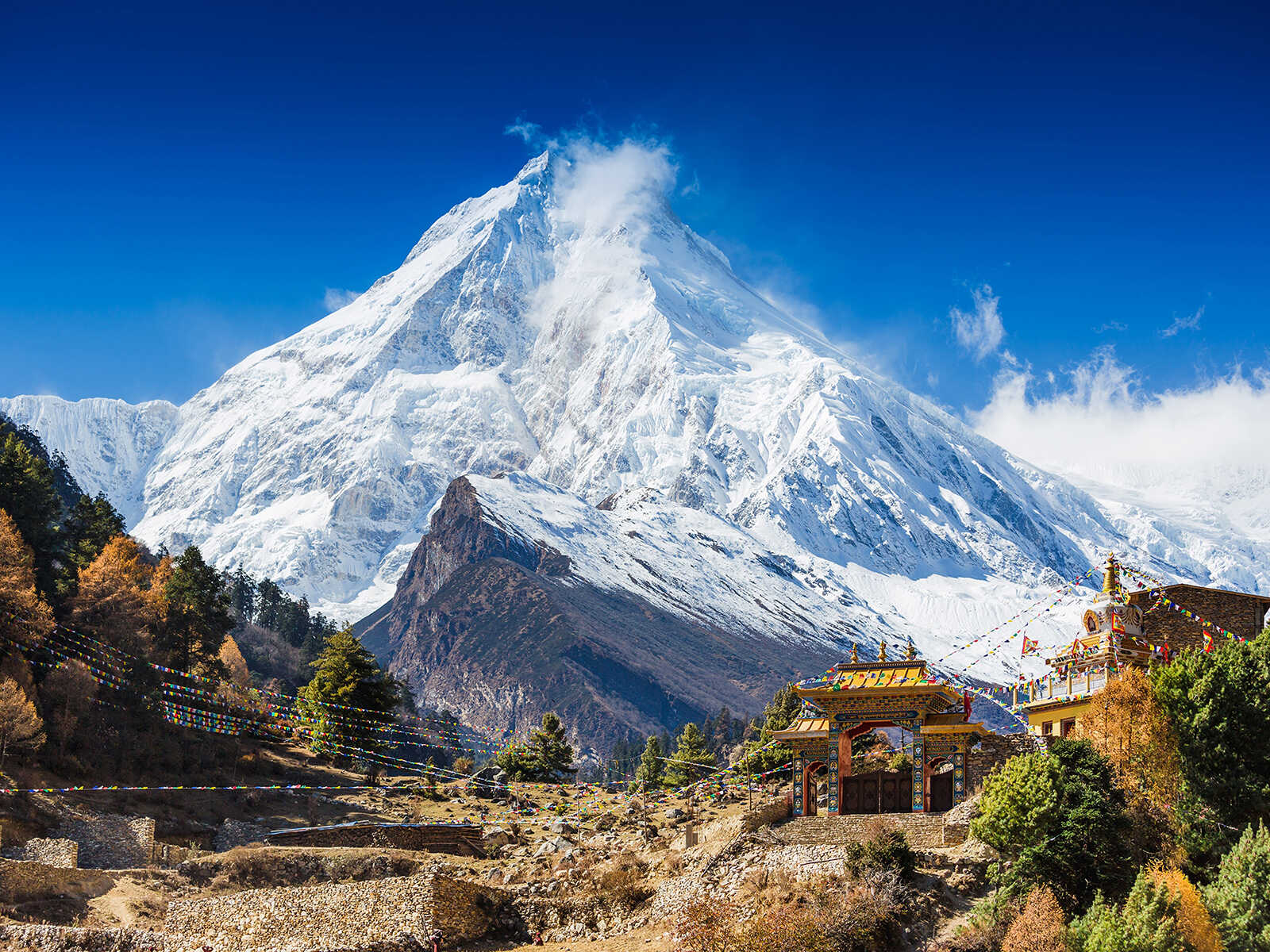
Best Time to Visit Nepal for Trekking, Safaris, and Cultural Immersion
Nepal, a land of towering Himalayas, ancient traditions, and vibrant wildlife, offers an unparalleled travel experience. To fully appreciate its diverse offerings, understanding the seasonal nuances is key, ensuring your adventure aligns perfectly with your interests, whether you're seeking high-altitude treks, jungle safaris, or deep dives into its rich culture.
While Nepal is a captivating destination year-round, certain seasons truly shine depending on your primary focus. Generally, the shoulder seasons of autumn and spring are considered the prime times to visit, offering a balance of pleasant weather and clear skies across most regions.
Understanding Nepal's Seasons
Nepal experiences four distinct seasons, each presenting unique opportunities and challenges for travelers.
Autumn (September to November) – The Golden Season
Autumn is widely regarded as thebest time to visit Nepal, particularly for trekking and mountaineering. Following the monsoon rains, the atmosphere is crisp and clean, offering spectacular, unobstructed views of the Himalayas.
- Trekking:This season provides ideal trekking conditions with moderate temperatures, minimal precipitation, and clear skies. Popular routes like the Everest Base Camp Trek and treks in the Annapurna region, including those passing through Sagarmatha National Park, are at their prime. The trails are well-maintained, and teahouses are fully operational.
- Cultural Immersion:Autumn is also a festive period, with major Hindu festivals like Dashain and Tihar bringing vibrant celebrations across the country, especially in the Kathmandu Valley. It's an excellent time to witness local traditions and immerse yourself in Nepalese culture.
- Wildlife Safaris:While good, the end of autumn can see the plains become drier and dustier in areas like Chitwan National Park, making animal spotting a bit more challenging than in spring, but still rewarding.
Tip:Autumn is peak tourist season, so expect more crowded trails and higher demand for accommodation and flights. Booking well in advance is highly recommended.
Spring (March to May) – Blossoms and Wildlife
Spring is another excellent time to visit Nepal, offering a warmer alternative to autumn, especially appealing for those who enjoy vibrant flora and active wildlife.
- Trekking:As temperatures rise, the hills come alive with blooming rhododendrons, particularly stunning in the Annapurna region. While views can sometimes be hazy due to pre-monsoon dust, the pleasant temperatures and colorful landscapes make for an unforgettable experience.
- Cultural Immersion:Spring offers a pleasant climate for exploring cultural sites without the intense crowds of autumn. Wander through ancient squares in the Kathmandu Valley, visit the sacred Pashupatinath Temple, or explore the iconic Swayambhu Nath Temple and Boudha Stupa.
- Wildlife Safaris:Spring is arguably thebest time for wildlife safarisin Nepal. The new growth provides ample food, and animals, including the elusive Bengal tiger and one-horned rhinoceros, are more active, often venturing closer to water sources.Chitwan National Park is particularly vibrant.
Winter (December to February) – Clear Skies and Lower Altitudes
Winter in Nepal brings cold, dry weather, making it suitable for specific types of travel.
- Trekking:High-altitude treks become challenging or impossible due to heavy snow and extreme cold, with many passes closing. However, lower-altitude treks and those in the mid-hills are fantastic, offering incredibly clear mountain views due to the crisp air. Fewer trekkers mean a more serene experience.
- Cultural Immersion:The Kathmandu Valley and the Terai region, including Lumbini, the birthplace of Buddha, are excellent to visit during winter. Days are sunny and pleasant for sightseeing, though evenings can be chilly.
- Wildlife Safaris:Winter is a good time for safaris in Chitwan National Park. Animals often sunbathe, making them easier to spot, and the tall grass from the monsoon has died down, improving visibility.
Monsoon/Summer (June to August) – Lush Landscapes and Unique Adventures
The monsoon season is characterized by heavy rainfall, but it also transforms Nepal into a lush, green paradise. While challenging for some activities, it offers unique experiences.
- Trekking:Most conventional treks are difficult due to slippery trails, leeches, and obscured mountain views. However, this is the ideal time for "rain shadow" treks in regions like Upper Mustang and Dolpo, which receive minimal rainfall. These areas offer stark, dramatic landscapes and a glimpse into ancient Tibetan cultures.
- Cultural Immersion:The monsoon offers a unique perspective on Nepalese life. The landscapes are incredibly green, and fewer tourists mean a more authentic experience. It's a time for rice planting, and you can witness local life in full swing, especially around scenic spots like Fewa Lake. Indoor activities and cultural tours in the Kathmandu Valley remain viable.
- Wildlife Safaris:Safaris during monsoon can be challenging due to flooded tracks, dense vegetation, and leeches. However, some lodges remain open, and the experience of seeing the jungle alive with rain can be truly memorable for the adventurous.
Choosing Your Best Time Based on Activity
For Trekking Enthusiasts
The undisputed best times areAutumn (September to November)andSpring (March to May). Autumn offers crisp air and unparalleled mountain views, while spring provides warmer temperatures and vibrant rhododendron blooms. For high-altitude treks, these are your windows. If you seek solitude and don't mind the cold, lower-altitude winter treks are also an option.
For Wildlife Safari Adventures
Spring (March to May)andWinter (December to February)are prime for safaris, particularly in Chitwan National Park. Spring sees animals active and visible, while winter's sparse vegetation makes spotting easier. Avoid the peak monsoon if wildlife viewing is your priority.
For Cultural Immersion
Nepal's rich culture can be experienced year-round.Autumn (September to November)is fantastic for its major festivals, offering a lively atmosphere.Spring (March to May)provides pleasant weather for exploring historical sites like the World Peace Pagoda and ancient cities. Even winter and monsoon offer unique cultural insights, with fewer crowds and a more intimate connection to local life.
Essential Planning Tips
- Book in Advance:Especially during peak seasons (autumn and spring), accommodation, flights, and trekking permits can be in high demand.
- Pack Appropriately:Layering is key in Nepal due to varying altitudes and temperatures. Research weather conditions for your specific travel dates and regions.
- Flexibility:Weather in the mountains can be unpredictable. Build some flexibility into your itinerary, especially for treks, to account for potential delays.
- Altitude Acclimatization:If trekking at high altitudes, regardless of the season, always factor in sufficient time for acclimatization to prevent altitude sickness.
Ultimately, the "best" time to visit Nepal depends on your personal preferences and the type of adventure you seek. Whether you dream of scaling mountain passes, encountering rhinos in the jungle, or immersing yourself in ancient traditions, Nepal welcomes you with open arms in every season.