
How to Get to Sossusvlei and Deadvlei: Planning Your Iconic Visit
Sossusvlei and Deadvlei, with their towering red dunes and ancient camel thorn trees, represent the quintessential Namibian landscape and an absolute must-visit for any traveller. This guide will walk you through the practicalities of planning your journey to this iconic corner of the Namib-Naukluft National Park, ensuring a memorable and well-prepared adventure.
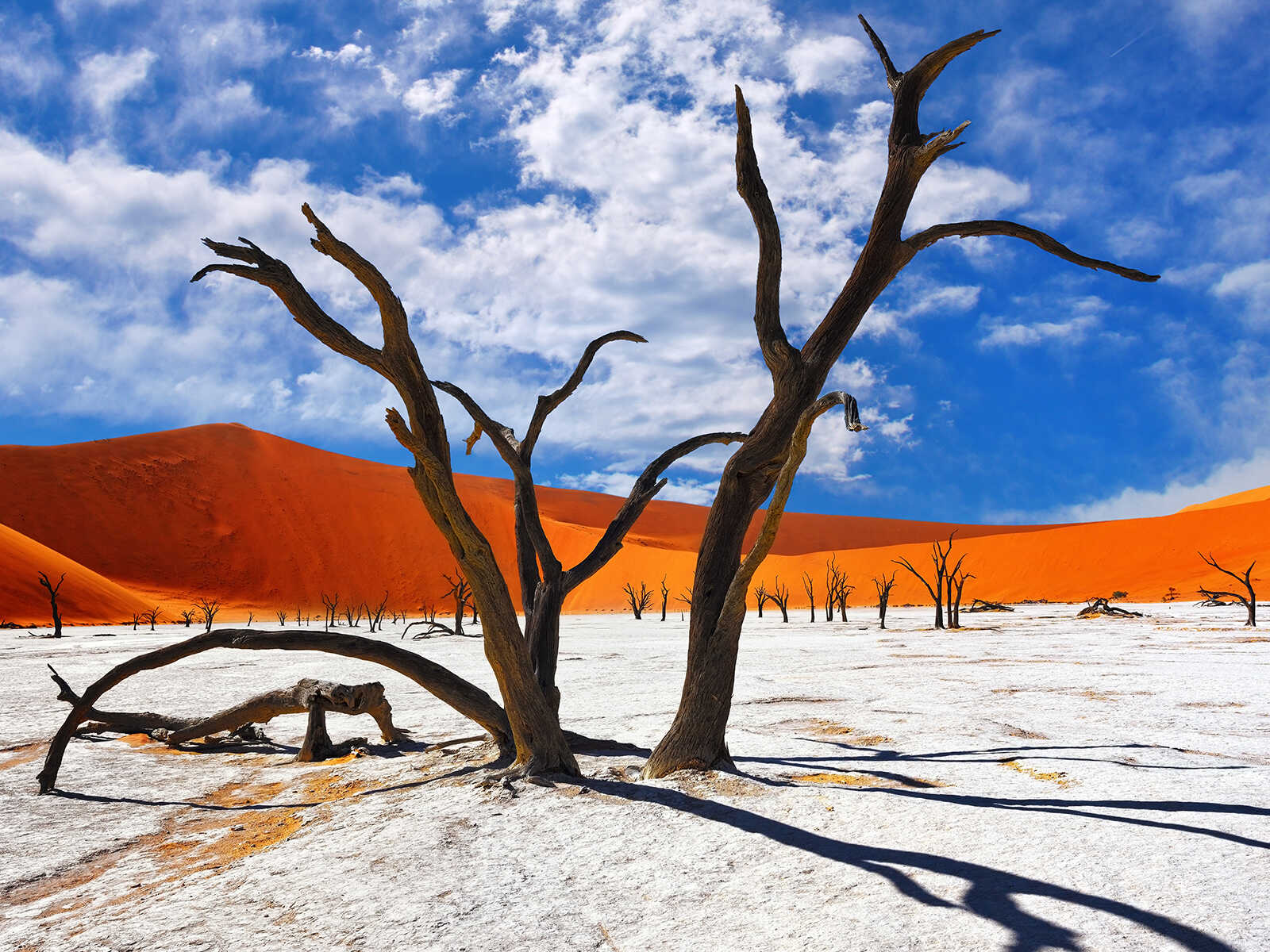
The surreal beauty of Sossusvlei, a clay pan surrounded by some of the highest dunes in the world, and the haunting, petrified trees of Deadvlei, offer unparalleled photographic opportunities and a profound sense of ancient wilderness. Reaching these remote wonders requires careful planning, whether you opt for a self-drive adventure or a guided tour.
Getting to Sossusvlei: Your Journey to the Dunes
Sossusvlei is located in the southern part of the Namib-Naukluft National Park, approximately 350-400 km southwest of Windhoek. While remote, it is accessible via several routes and transport options.
By Air: Convenience and Scenic Views
For those prioritising speed and comfort, flying is an option. Most international visitors arrive at Hosea Kutako International Airport (WDH) near Windhoek. From there, you can arrange a charter flight to one of the small airstrips closer to Sesriem, the main entry point for Sossusvlei. This significantly cuts down travel time, offering breathtaking aerial views of the Namib Desert. Many high-end lodges offer fly-in packages that include transfers from the airstrip to the lodge and guided excursions into the dunes.
By Road: The Classic Namibian Adventure
Driving to Sossusvlei is the most popular and often the most rewarding way to experience Namibia's diverse landscapes. It allows for flexibility and the chance to explore at your own pace, though it requires preparation.
Self-Drive: Freedom to Explore
Embarking on a self-drive journey to Sossusvlei offers unparalleled freedom. The main routes to Sesriem are primarily gravel roads (C19 and D826 being common examples), which require caution and appropriate vehicle choice.
- Vehicle Choice:A4x4 vehicle is highly recommendedfor self-driving in Namibia, especially for the gravel roads leading to Sesriem. While a 2x4 with high clearance might manage some routes in dry conditions, a 4x4 provides better traction, comfort, and peace of mind on corrugated surfaces and sandy patches. It's also essential for the final stretch to Sossusvlei and Deadvlei.
- Driving Conditions:Expect long stretches of gravel roads. Drive defensively, reduce speed on corrugations, and be aware of loose sand and potential wildlife. Always carry at least two spare tires, a jack, and basic tools.
- Fuel and Supplies:Fuel stations are sparse outside major towns. Always refuel when you have the opportunity. Carry ample water, snacks, and any essential medications.
- Distances and Times:
- From Windhoek: Approximately 350-400 km, taking 5-7 hours depending on road conditions and stops.
- From Walvis Bay/ Swakopmund: Approximately 350-400 km, also 5-7 hours. This route often takes you through parts of the Namib-Naukluft National Park, offering unique scenery.
Tip for Self-Drivers:Always inform your accommodation of your estimated arrival time, especially when driving long distances in remote areas. Cell phone reception can be intermittent outside of major towns.
Guided Tours: Expertise and Convenience
If you prefer to leave the navigation and logistics to experts, a guided tour is an excellent option. Tours range from multi-day safaris originating in Windhoek or Swakopmund, to day trips from lodges near Sesriem. Benefits include:
- Expert Guides:Knowledgeable guides offer insights into the geology, flora, and fauna of the region.
- Safety and Comfort:Tours typically use well-maintained 4x4 vehicles, and drivers are experienced with local road conditions.
- Stress-Free Planning:Accommodation, meals, and park fees are often included, simplifying your trip.
- Access to Remote Areas:Guides often have permits and expertise to navigate challenging terrain, ensuring you reach all the key sights.
Entry Point: Sesriem Gate
Regardless of how you arrive, Sesriem is the official entry gate to Sossusvlei. Here, you'll pay your park fees and obtain permits. The gate typically opens at sunrise and closes at sunset. There are options for accommodation both inside and outside the gate.
Accommodation Options: Staying Near the Dunes
Choosing your accommodation wisely can significantly impact your Sossusvlei experience, particularly regarding access times.
- Inside Sesriem Gate:Staying at Sesriem Campsite or Sossus Dune Lodge (the only lodge inside the park) offers a significant advantage:early access to the dunes before sunrise and late access after sunset. This is crucial for photographers and those wishing to experience the magical first and last light on the dunes without the crowds.
- Outside Sesriem Gate:Numerous lodges and guesthouses are located outside the gate, ranging from luxury resorts to more budget-friendly options. While these require you to adhere to the gate opening and closing times, many offer excellent amenities, guided tours, and stunning desert views. Some of these lodges are part of conservancies like the NamibRand-Naturreservat, offering additional unique desert experiences.
Best Time to Visit Sossusvlei and Deadvlei
The Namib Desert is a year-round destination, but certain times offer distinct advantages:
- Dry Season (May to October):This is generally considered the best time to visit. Temperatures are milder, especially during the day, and skies are typically clear. Nights can be cool.
- Wet Season (November to April):While unlikely to be truly "wet" in the desert, this period brings higher temperatures, especially from December to February. Occasional thunderstorms can occur, which, while rare, transform the landscape beautifully with temporary rivers and greenery.
- Time of Day:Thegolden hours around sunrise and sunsetare ideal for photography and experiencing the dunes. The low sun angle creates dramatic shadows, highlighting the contours of the dunes and intensifying their red hues. Midday temperatures can be extremely high, making hiking challenging.
Exploring the Heart of Sossusvlei and Deadvlei
From Sesriem Gate, a tarred road extends for 60 km into the heart of Sossusvlei. This road is accessible by 2x4 vehicles.
- Dune 45:Around 45 km from the gate, this iconic dune is a popular stop for sunrise climbs due to its relatively easy accessibility and stunning views.
- The Final 5km to Sossusvlei & Deadvlei:The last 5 km from the 2x4 parking area to Sossusvlei and Deadvlei is deep sand and requires a4x4 vehicle. If you don't have one, a shuttle service (operated by the park) is available for a fee, or you can walk (approximately 1.5 hours one way).
- Deadvlei:A short walk from the 4x4 parking, Deadvlei is arguably the most famous pan, known for its striking dead camel thorn trees against the backdrop of towering dunes like "Big Daddy."
- Sossusvlei Pan:A short distance from Deadvlei, this pan sometimes holds water after good rains, creating a spectacular reflection of the surrounding dunes.
- Elim Dune:Located closer to Sesriem, this dune offers a quieter alternative for sunset viewing without driving too far into the park.
- Sesriem Canyon:Just a few kilometres from the Sesriem Gate, this natural canyon carved by the Tsauchab River is worth a visit, especially during the hotter parts of the day, as it offers shade and often pools of water.
Essential Packing and Preparation
Your visit to Sossusvlei will be more enjoyable with the right gear:
- Water:Carry significantly more water than you think you'll need. Dehydration is a serious risk in the desert.
- Sun Protection:Wide-brimmed hat, sunglasses, and high-SPF sunscreen are non-negotiable.
- Footwear:Sturdy closed-toe shoes for hiking the dunes are essential. Open sandals will fill with sand quickly.
- Clothing:Lightweight, breathable clothing for the day, and warmer layers for cool desert evenings and early mornings.
- Camera Gear:This is a photographer's paradise! Bring extra batteries, memory cards, and lens cleaning supplies.
- Snacks:Energy bars, fruit, and other non-perishable snacks are vital for long days of exploring.
- First-Aid Kit:For minor cuts, blisters, and headaches.
Safety in the Desert
The desert, while beautiful, demands respect:
- Stay Hydrated:Drink water constantly, even if you don't feel thirsty.
- Heatstroke:Avoid strenuous activity during the hottest parts of the day (11 AM - 3 PM). Seek shade whenever possible.
- Driving:Adhere to speed limits on gravel roads, be cautious of wildlife, and avoid driving at night if possible.
- Respect Nature:Do not disturb wildlife or remove any natural objects. Stay on marked paths where available.
A journey to Sossusvlei and Deadvlei is an unforgettable experience, offering a profound connection with nature and a glimpse into one of Earth's most ancient and dramatic landscapes. With careful planning and preparation, your iconic visit will be smooth, safe, and filled with breathtaking memories.