
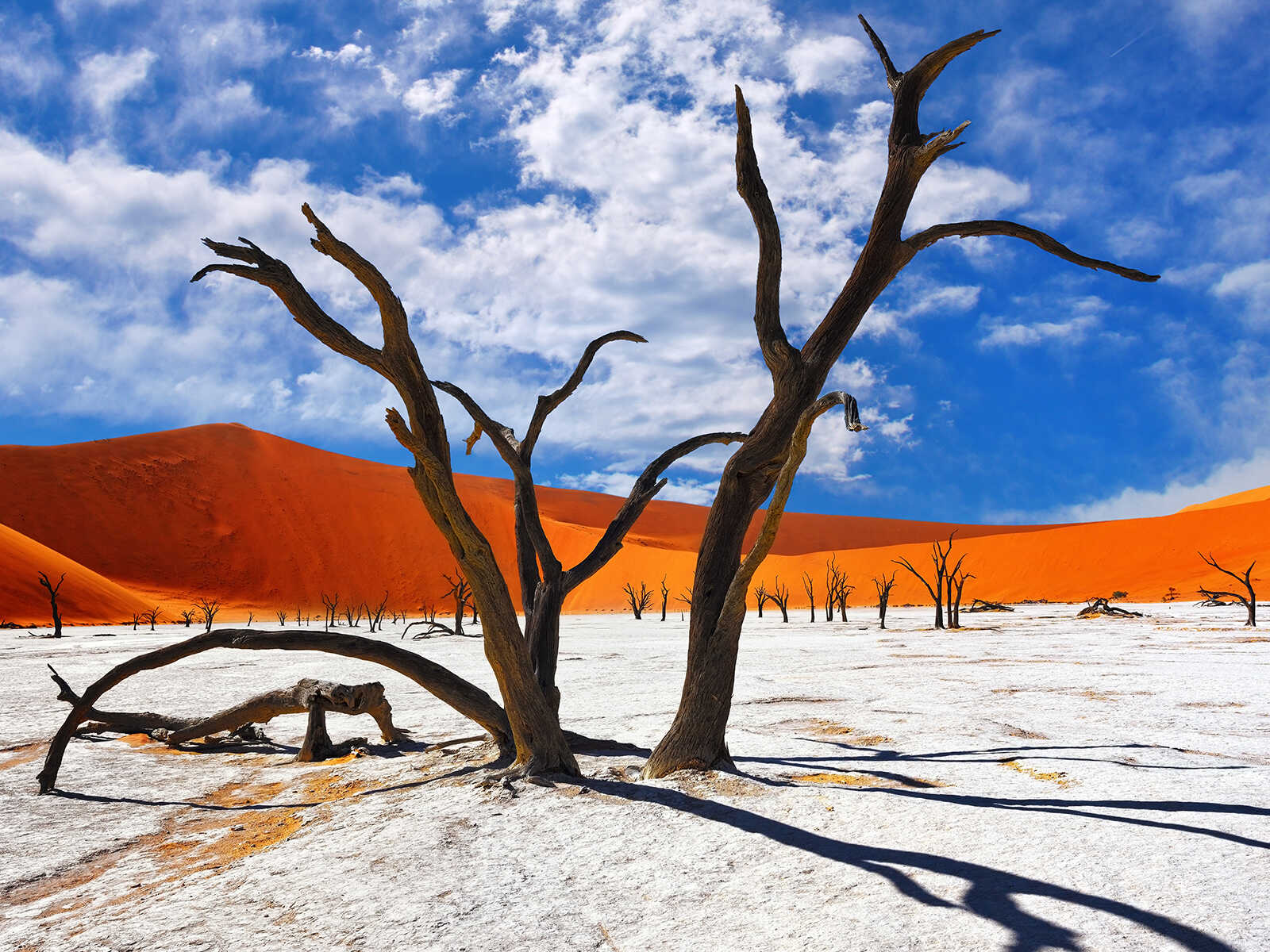
Damaraland Exploration Guide: Ancient Landscapes & Desert Elephants
Embark on an unforgettable journey to Damaraland, a captivating region in Namibia renowned for its dramatic geological formations, ancient rock art, and unique desert-adapted wildlife. This guide provides an in-depth look at what makes Damaraland a must-visit destination for adventurers and nature enthusiasts alike.
Discovering the Heart of Damaraland
Damaraland, located in north-western Namibia, is a vast, untamed wilderness characterized by rugged mountains, expansive gravel plains, and dry riverbeds. It’s a land where time seems to stand still, offering a profound sense of solitude and connection to ancient natural forces. Far from the bustling tourist routes, Damaraland invites travelers to explore at a slower pace, revealing its hidden treasures.
This semi-arid region is not a national park but rather a conservancy area, where local communities play a crucial role in conservation efforts. This unique model ensures that the benefits of tourism directly support the people and wildlife of the area, fostering a sustainable relationship between human activity and the environment.
A Canvas of Geological Wonders
The landscapes of Damaraland are nothing short of spectacular, sculpted over millennia by wind and water. Towering inselbergs, dramatic basalt formations, and vast open plains create a photographer's paradise and a geological marvel.
Twyfelfontein: UNESCO World Heritage Site
At the heart of Damaraland lies Twyfelfontein(meaning 'doubtful spring'), Namibia's first UNESCO World Heritage Site. This remarkable open-air gallery boasts one of the largest concentrations of petroglyphs (rock engravings) and rock paintings in Africa. Created by ancient San hunter-gatherers, these artworks depict animals, human figures, and intricate patterns, offering a fascinating glimpse into prehistoric life and beliefs.
Interesting Fact:The rock engravings at Twyfelfontein are estimated to be up to 6,000 years old, depicting animals like rhinoceros, elephants, giraffes, and even seals, suggesting ancient connections to the coast.
The Organ Pipes & Burnt Mountain
Nearby, visitors can explore the striking geological formations known as the Organ Pipes, a series of columnar basalt rock formations resembling giant organ pipes. Adjacent to this is Burnt Mountain, an expanse of volcanic rock that glows with various hues of red, orange, and purple at sunrise or sunset, creating an otherworldly spectacle.
Petrified Forest
Another natural wonder is the Petrified Forest, where giant fossilized tree trunks, estimated to be around 280 million years old, lie scattered across the landscape. These ancient trees were transported here by floods and subsequently petrified, turning into stone over millions of years.
Spitzkoppe: The Matterhorn of Namibia
While not strictly in Damaraland, the iconic granite peaks of Spitzkoppe are often visited in conjunction with a Damaraland itinerary. Known as the "Matterhorn of Namibia," this breathtaking inselberg is a popular spot for hiking, rock climbing, and stargazing, offering similar dramatic landscapes.
Encounters with Desert-Adapted Wildlife
Despite its arid conditions,Damaraland supports a surprising diversity of wildlife, most notably its iconic desert-adapted species. These animals have evolved remarkable strategies to survive in this harsh environment, making sightings particularly special.
The Elusive Desert Elephants
The highlight for many visitors to Damaraland is the chance to track and observe the magnificent desert elephants. Unlike their counterparts in areas like Etosha National Park, these elephants are not a separate species but rather an ecotype of the African bush elephant, distinguished by their leaner build, longer legs, and larger feet, which enable them to traverse vast distances across sandy terrain. They are known for their ability to go without water for days, digging for subsurface water in dry riverbeds.
Tracking these gentle giants with experienced local guides is an exhilarating experience, often involving following their footprints through dry riverbeds and observing them browse on sparse vegetation.
Black Rhinos: A Conservation Success Story
Damaraland is also home to a significant population of the critically endangered black rhino, particularly in the Palmwag Concession. Conservation efforts in this region are among the most successful in Africa, with communities actively involved in protecting these magnificent creatures. Rhino tracking on foot (with armed rangers) offers an incredibly intimate and impactful wildlife experience.
Other Desert Dwellers
Beyond elephants and rhinos, the region hosts a variety of other desert-adapted animals, including:
- Oryx (Gemsbok):Easily recognizable by their long, straight horns, they are perfectly adapted to desert life.
- Springbok:Agile and graceful, these antelopes are common throughout the plains.
- Giraffes:Often seen browsing on acacia trees in dry riverbeds.
- Kudu and Hartmann's Mountain Zebra:Found in the more mountainous areas.
- Predators:Leopard, cheetah, brown hyena, and even lions (though less frequently sighted) also roam the area.
Cultural Insights and Community Engagement
A visit to Damaraland offers unique opportunities to engage with the local communities, primarily the Damara people, but also Himba and Herero groups. Many lodges and tour operators work closely with these communities, allowing visitors to learn about their traditions, history, and daily life. Community-run conservancies are vital to the region's conservation success, ensuring that tourism benefits the people directly.
Activities and Experiences
Your Damaraland adventure can be tailored to your interests, with a range of activities available:
- Desert Elephant Tracking:The quintessential Damaraland experience, usually done in a 4x4 vehicle with expert local guides.
- Rhino Tracking:A truly immersive and responsible way to encounter these endangered animals, often involving walking.
- Rock Art Excursions:Guided tours of Twyfelfontein to interpret the ancient engravings.
- Scenic Drives:Explore the vast landscapes, discover hidden valleys, and marvel at the geological formations.
- Nature Walks:Guided walks to appreciate the smaller details of the desert ecosystem and learn about local flora.
- Stargazing:With minimal light pollution, the night skies in Damaraland are incredibly clear and mesmerizing.
Planning Your Damaraland Journey
Best Time to Visit
The dry season (May to October) is generally considered the best time to visit Damaraland. Wildlife is easier to spot as animals congregate around fewer water sources, and the weather is typically cooler and more pleasant. The wet season (November to April) can bring lush greenery and spectacular thunderstorms, but some roads may become challenging.
Getting There and Getting Around
Damaraland is best explored by 4x4 vehicle, either on a self-drive adventure or as part of a guided tour. Main roads are gravel, and secondary tracks can be sandy and rocky, requiring good driving skills and vehicle preparation. Many lodges also offer air transfers for those preferring not to drive. The region is often combined with visits to the Skeleton Coast or Etosha National Park.
Accommodation Options
Accommodation ranges from rustic community campsites to luxurious eco-lodges, many of which are strategically located to offer incredible views and access to wildlife. Booking in advance, especially during peak season, is highly recommended.
Responsible Tourism in Damaraland
When visiting Damaraland, it's crucial to practice responsible tourism:
- Respect Wildlife:Maintain a safe distance, never feed animals, and follow your guide's instructions.
- Support Local Communities:Choose lodges and operators that actively involve and benefit local people.
- Leave No Trace:Carry out all your rubbish and minimize your environmental impact.
- Respect Cultural Heritage:Be mindful and respectful when interacting with local communities and visiting cultural sites.
Conclusion
Damaraland offers an unparalleled Namibian adventure, blending ancient landscapes, unique wildlife encounters, and rich cultural experiences. It's a destination that promises solitude, wonder, and a deep appreciation for the resilience of life in one of Earth's most stunning desert environments. Prepare to be captivated by its raw beauty and the enduring spirit of its desert elephants.